GLP-1 Medications for Type 2 Diabetes: What the Research Actually Shows
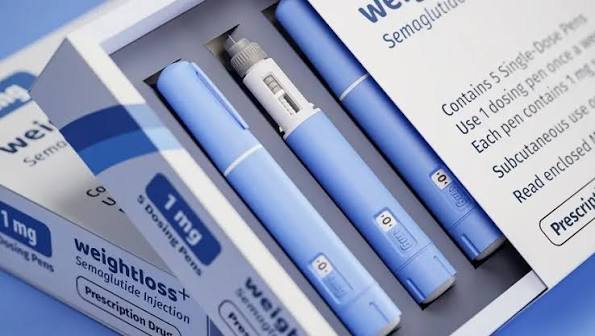
GLP-1 receptor agonists have moved from a niche corner of diabetes care to one of the most talked-about medication classes in the country. For people living with type 2 diabetes, the headlines can be confusing: the same drugs that appear in weight-loss stories are also long-standing tools for managing blood sugar. Understanding what these medications are, how they work, and what the clinical research has documented can help you have a more informed conversation with a licensed clinician.
This is an educational overview, not medical advice. Every treatment decision around type 2 diabetes should be made with a qualified healthcare provider who knows your full medical history. With that context set, here is a grounded look at GLP-1 medications and the role they play in diabetes management.
What Are GLP-1 Medications?
GLP-1 stands for glucagon-like peptide-1, a hormone the body releases after eating. GLP-1 receptor agonists are medications that mimic this naturally occurring hormone. By activating the same receptors the body’s own GLP-1 targets, they help regulate several processes involved in blood sugar control.
According to Harvard Health, the class has been used to treat type 2 diabetes for roughly two decades, and ten GLP-1 medications are now FDA-approved to treat either type 2 diabetes or weight management. Most are delivered as a once-weekly or once-daily injection, though at least one option is available as a daily tablet. Because the category has grown quickly, the same underlying science now appears under several brand names with different approved uses.
How GLP-1 Receptor Agonists Work in Type 2 Diabetes
The mechanism is what makes this class distinctive. Rather than forcing blood sugar down in a single way, GLP-1 medications influence several pathways at once.
Insulin and Glucagon Regulation
GLP-1 receptor agonists increase insulin secretion in a glucose-dependent way, meaning they prompt the pancreas to release more insulin primarily when blood sugar is elevated. At the same time, they suppress glucagon, a hormone that signals the liver to release stored glucose. Working on both sides of that equation helps keep blood sugar more stable through the day.
Slower Digestion and Appetite Signals
These medications also slow gastric emptying, the rate at which food leaves the stomach. Slower digestion blunts the post-meal spike in blood sugar and contributes to a longer feeling of fullness. Many people also experience reduced appetite through the hormone’s effect on satiety signaling in the brain. For someone managing type 2 diabetes, this combination addresses glucose control directly while often influencing body weight as a secondary effect.
Which GLP-1 Medications Are FDA-Approved for Type 2 Diabetes?
Several GLP-1 and dual-agonist medications carry FDA approval specifically for type 2 diabetes when used alongside diet and exercise to improve glycemic control in adults. Commonly referenced examples include semaglutide (Ozempic), dulaglutide (Trulicity), liraglutide (Victoza), and the dual GIP/GLP-1 receptor agonist tirzepatide (Mounjaro).
It is worth emphasizing that approval status is product-specific. Some molecules are sold under one brand for diabetes and a different brand for chronic weight management, with different labeled indications and dose strengths. The drug your provider selects, and the dose they determine, depends on your individual clinical picture rather than a one-size-fits-all rule.
What the Research Says About Blood Sugar Control
The most direct measure of diabetes control is HbA1c, an estimate of average blood sugar over roughly three months. Across reviews and clinical trial summaries, GLP-1 receptor agonists in type 2 diabetes have commonly lowered HbA1c by about one percentage point on average, with larger reductions reported for certain agents and higher doses.
That average is a population-level finding from controlled studies, not a prediction for any one person. Real-world results vary based on starting A1C, other medications, diet, activity, and adherence. The value of the data is in showing a consistent, measurable effect on glycemic control across many trials rather than promising a specific outcome.
Beyond Blood Sugar: Cardiovascular and Kidney Findings
One reason this class has drawn so much clinical attention is that its documented benefits extend past glucose numbers. Reviews and clinical guidance note that GLP-1 receptor agonists have demonstrated cardiovascular risk reduction in people with type 2 diabetes, and research has pointed to potential benefit in slowing the progression of chronic kidney disease.
These findings have influenced how some clinicians think about the class for patients who have type 2 diabetes alongside heart or kidney risk factors. As always, whether any of this applies to your situation is a clinical judgment for your own provider, informed by your history and current health status.
Common Side Effects to Discuss With a Provider
No medication is without trade-offs. The most common side effects of GLP-1 receptor agonists are gastrointestinal, especially nausea, vomiting, diarrhea, and constipation. Harvard Health describes gastrointestinal symptoms as by far the most common effects of these drugs. Many people find these symptoms ease over time, and clinicians often introduce the medication gradually to reduce them.
There are also situations where extra caution applies. GLP-1 medications can raise the risk of low blood sugar when combined with insulin or sulfonylureas, and they are generally not appropriate for people with a personal or family history of medullary thyroid cancer or multiple endocrine neoplasia type 2. This is exactly the kind of detail that makes professional supervision essential rather than optional.
Diabetes Use vs. Weight-Loss Use: Why the Distinction Matters
Because the same molecules appear in both diabetes and weight-management conversations, it is easy to blur the two. The cleaner way to think about it: diabetes-labeled products are prescribed primarily to improve glycemic control, often with cardiovascular-risk context, while obesity-labeled products are prescribed for chronic weight management. They may share an active ingredient yet differ in brand, FDA indication, and dose strength.
For a person with type 2 diabetes, the practical takeaway is that a medication’s weight effect, while real for many, is part of a broader glucose-management picture rather than the headline goal. Treating these drugs as interchangeable across uses overlooks the labeling and dosing differences that exist for a reason.
How GLP-1 Medications Fit Into a Broader Diabetes Plan
GLP-1 receptor agonists are rarely the entire story. They are approved for use alongside diet and exercise, and many people take them in combination with other diabetes medications such as metformin. The class is one component of a wider plan that includes nutrition, physical activity, blood sugar monitoring, and regular clinical review rather than a standalone fix.
That framing matters for expectations. Because these medications also influence appetite and body weight, lifestyle changes and the medication’s effects can reinforce one another. A clinician looks at the full picture, including other prescriptions and conditions, when deciding whether and how a GLP-1 medication belongs in an individual’s diabetes plan.
What Research Suggests About Stopping Treatment
A common question is what happens if the medication stops. Clinical summaries note that the metabolic effects of GLP-1 medications, including their influence on appetite and blood sugar, generally depend on continued use. When the medication is discontinued, the appetite-suppressing and glucose effects can diminish, and previous patterns may gradually return.
This is one reason the class is often discussed as part of long-term management rather than a short course. How long to remain on a GLP-1 medication, and how any transition off it should be handled, is a clinical decision that belongs with the prescribing provider, informed by how an individual is responding over time.
Working With a Supervised Telehealth Program
Because GLP-1 therapy involves dose individualization, side-effect monitoring, and screening for contraindications, ongoing clinical oversight matters. Telehealth providers such as TrimRx offer physician-supervised GLP-1 programs in which a licensed clinician evaluates eligibility, oversees the treatment plan, and adjusts it over time. The model is built around the same principle this article keeps returning to: these medications work best inside a supervised relationship, not as a self-directed experiment.
Whether you pursue care through a telehealth program or an in-person practice, the questions worth bringing to that conversation are consistent: Is a GLP-1 medication appropriate for my type of diabetes and overall health? What are the realistic benefits and risks for me specifically? And how will progress and side effects be monitored over time?
Frequently Asked Questions
Are GLP-1 medications only for weight loss?
No. While they receive a great deal of attention for weight management, GLP-1 receptor agonists have been used to manage type 2 diabetes for about two decades, and several are FDA-approved specifically for diabetes to improve blood sugar control alongside diet and exercise.
How quickly do GLP-1 medications affect blood sugar?
Effects on glucose can begin relatively early, but clinicians typically assess blood sugar control over weeks to months using measures like HbA1c. Trials have documented average HbA1c reductions of roughly one percentage point, though individual results differ and should be tracked by a provider.
What should I do about nausea or other side effects?
Gastrointestinal symptoms such as nausea are the most commonly reported effects and often ease over time. Any persistent or severe side effects should be discussed promptly with the prescribing clinician, who can adjust the plan as needed.
Can anyone with type 2 diabetes take a GLP-1 medication?
Not necessarily. These medications are not suitable for everyone, including people with certain thyroid cancer histories or specific endocrine conditions, and they interact with other diabetes drugs. Eligibility is a clinical decision made by a qualified healthcare provider.
The Bottom Line
GLP-1 medications have earned their place in type 2 diabetes care through a well-documented mechanism, consistent effects on blood sugar in clinical research, and additional cardiovascular and kidney findings that have shaped clinical guidance. They also carry real side effects and contraindications that demand professional oversight. Used thoughtfully and under the supervision of a licensed clinician, they are one of several tools available for managing type 2 diabetes.
This article is for general educational purposes only and is not medical advice. It does not diagnose, treat, or recommend any specific medication or dose. Always consult a qualified healthcare provider about your individual situation before starting, stopping, or changing any treatment.