What Should You Consider When Using a Portable Power Station in a Tent, Vehicle, or Enclosed Space?
A Portable Power Station can supply electricity in a tent, vehicle, or indoor space, but its placement and operating conditions matter. Unlike a fuel-powered generator, a battery-based power station does not produce combustion exhaust or carbon monoxide while supplying electricity. However, it still generates heat, contains high-energy battery cells, and requires protection from moisture, excessive temperatures, and electrical overload. Before using one in a confined environment, check the manufacturer’s operating instructions, keep cooling vents unobstructed, and ensure the surrounding conditions suit the specific model.
How Should You Position a Portable Power Station in a Tent?
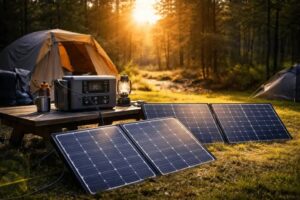
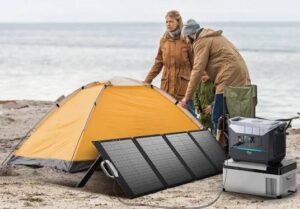
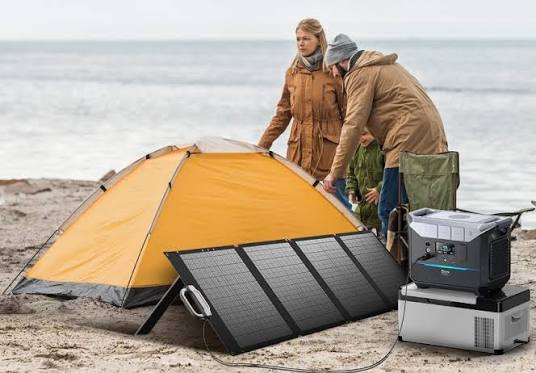
A tent provides shelter from direct weather exposure, but it may not suit every electrical device. Limited space, condensation, and soft ground can affect how a power station operates. The main consideration is not simply whether the unit fits inside the tent, but whether it can remain dry, stable, and adequately ventilated throughout the night.
Keep the Power Station Away From Moisture and Sleeping Areas
Ground moisture and overnight condensation can reach equipment even when the tent has no visible leaks. Placing a power station directly on damp soil or near the tent entrance increases its exposure to water, mud, and accidental contact with wet equipment. Use a stable, dry surface and follow the model’s instructions for environmental protection. Keep the unit away from tent walls, sleeping bags, and loose clothing that could cover its air inlets or outlets.
A small amount of free space around the housing also makes it easier to inspect cables and disconnect equipment when necessary. The same principle applies to charging accessories. Solar cables should be routed where people will not trip over them, and outdoor connectors should be protected from rain and ground contact. An IP rating, if provided, describes specific tested protection conditions; it should not be interpreted as permission to operate or charge the unit in every wet environment.
Allow Cooling Air to Circulate During Overnight Use
A power station may become warm while supplying AC appliances or charging its battery. If you place it in a tightly packed storage compartment or cover it with camping gear, heat may build up around the housing. Choose a location where cooling vents remain unobstructed. Avoid placing the unit beside portable heaters, cooking equipment, or other heat sources. If the cooling fan runs more often under heavier loads, that is another reason not to enclose the device in a small, poorly ventilated container. For overnight use, calculate the expected energy consumption of lights, phones, refrigeration, and other connected devices before departure. Reducing unnecessary loads limits heat generation and helps avoid leaving the battery close to depletion before morning.
What Should You Check When Using a Portable Power Station in a Vehicle?
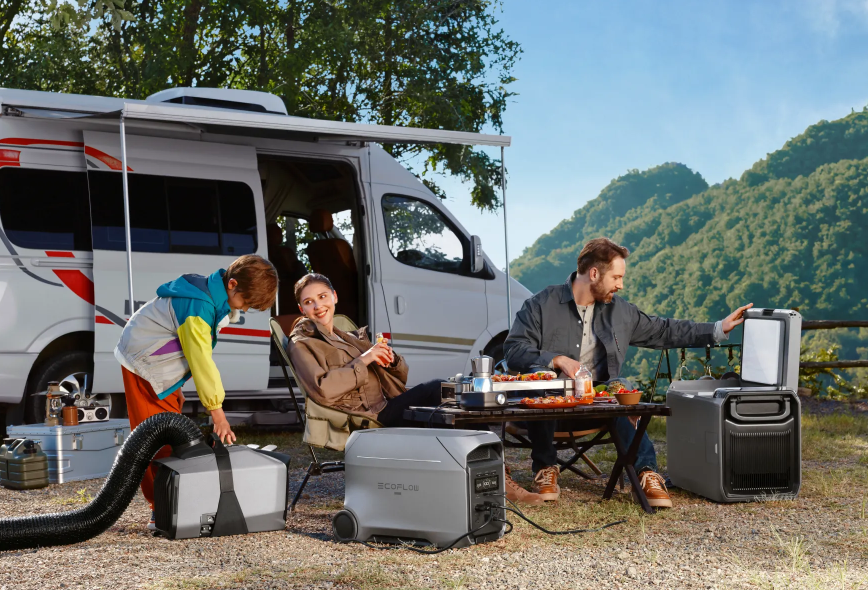
A vehicle creates different operating conditions from a tent. Space is limited, interior temperatures can rise quickly in direct sunlight, and equipment may move while driving. Treat a portable power station as secured electrical equipment, not just another item stored in the trunk.
Protect the Power Station From Heat and Movement
A parked vehicle can become much hotter than the surrounding outdoor air. Leaving a battery system inside a sun-exposed vehicle for extended periods may exceed its permitted operating or storage temperature. Check the specific model’s temperature limits before using or charging it in a vehicle. Keep the unit out of direct sunlight, and avoid placing it in a closed compartment without adequate airflow. During travel, secure the power station so that sudden braking or cornering cannot cause it to slide, fall, or damage connected cables. Keep it clear of pedals, emergency equipment, and areas passengers need to move through. Do not leave heavy objects resting against the housing or its ventilation openings.
Match Vehicle Charging and Appliance Loads
Vehicle charging is another point that needs attention. A power station may accept charging through a vehicle’s 12V outlet or a compatible alternator charging system, but these are different charging arrangements. Before connecting the unit, verify the supported input voltage, current, connector, and charging equipment. Do not assume that every vehicle outlet can provide enough power for a high-capacity station or that a larger battery automatically charges faster from a standard car socket.
Also consider which appliances will operate while the vehicle is parked. A refrigerator, lighting, and communication devices may have different energy requirements. Estimate their combined consumption and make sure the power station has sufficient capacity and output for the intended use. Avoid relying on the vehicle’s starter battery as an unlimited charging source.
What Safety Precautions Apply to a Portable Power Station in Enclosed Spaces?
Using a battery-based power station indoors is different from operating a gasoline or propane generator. The battery unit does not burn fuel to produce electricity, so it does not create the carbon monoxide exhaust associated with combustion generators. That distinction does not eliminate electrical and thermal risks, especially when several appliances are connected, or the equipment is installed in a restricted space.
Distinguish Battery Power From Fuel-Powered Generation
A portable battery system can supply electricity without producing combustion exhaust during normal battery operation. A gasoline generator or fuel-powered Smart Generator, however, produces exhaust, so users must never operate it inside a tent, vehicle, garage, or other enclosed or partially enclosed space. If a battery system is paired with a fuel-powered generator for recharging, position and operate the combustion generator outdoors according to its own safety instructions and applicable clearances. Keeping the battery unit indoors does not make it safe to operate the fuel-powered equipment nearby without considering exhaust exposure. This distinction matters most during power outages, when users may combine several backup devices to extend available energy.
Check Electrical Loads, Connections, and Operating Conditions
An enclosed space may limit access to the power station and make it harder to notice damaged cables, unusual heat, or overloaded connections. Keep the equipment accessible and use compatible cables and appliances. Avoid exceeding the rated continuous output or supported input limits, and check whether the connected equipment requires additional starting power. Do not use a damaged unit, swollen battery, or cable with exposed conductors. Stop operation if the device shows abnormal heating, unusual odors, smoke, or visible damage, and follow the manufacturer’s emergency instructions.
Before using a power station in a bedroom, cabin, garage, or vehicle, review its user manual for ventilation, temperature, clearance, and charging requirements. If the intended location cannot meet those conditions, move the unit to a more suitable position rather than trying to compensate with a different operating arrangement. The safest setup gives the power station enough space to operate, keeps it away from moisture and excessive heat, and matches its electrical limits to the connected equipment. Whether the setting is a tent, vehicle, or indoor room, checking these conditions before connecting appliances is more useful than relying on portability alone.