The Link Between Call Timing and Sales Conversion Rates
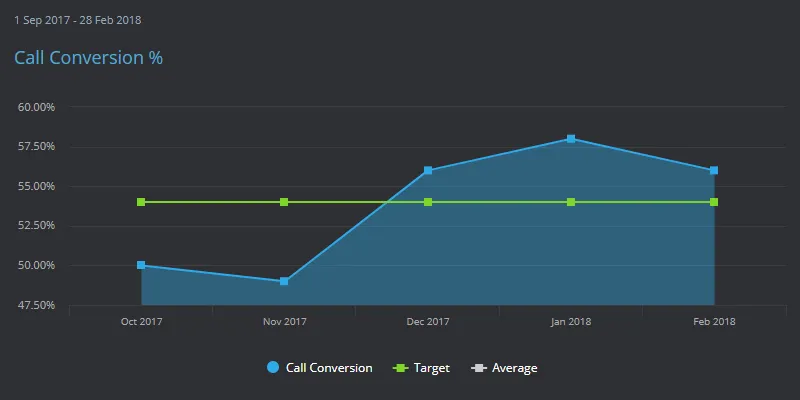
When you contact a prospect can be just as important as what you say. Even a well-qualified lead may fail to convert if your call reaches them at an inconvenient time, while a well-timed conversation can increase the likelihood of engagement and a productive sales discussion. Understanding the relationship between call timing and sales conversion rates helps you use your contact centre resources more effectively, improve prospect experiences and create more opportunities for meaningful conversations.
Why Call Timing Affects Conversion Rates
Call timing influences whether a prospect answers, how receptive they are and whether they have enough time to engage with your sales representative. Someone contacted during a busy meeting period, commute or other inconvenient moment may decline the call regardless of their level of interest.
This is why many sales operations use data alongside outbound contact centre software for sales teams to identify more productive calling periods and manage outreach more systematically. Features such as dialler technology, contact histories and campaign reporting can help you recognise when particular customer groups are most likely to respond.
Response Patterns Vary Throughout the Day
Prospect availability rarely remains consistent across the working day. Different audiences may be more responsive during early mornings, lunch periods, afternoons or early evenings depending on their roles, working arrangements and personal schedules.
Rather than assuming that one calling window works for everyone, you should analyse your own contact rate and conversion data. Comparing answer rates, conversation duration and completed sales across different time periods can reveal when your target customers are genuinely easier to reach and more willing to talk.
Lead Speed Can Influence Sales Outcomes
Timing also matters in relation to how quickly you contact a new lead. When someone has recently submitted an enquiry, requested information or interacted with your organisation, the subject is likely to be fresh in their mind.
Reducing lead response time can therefore improve your chances of reaching the prospect while their interest remains active. Delaying contact for several hours or days may allow that initial interest to decline, particularly where buyers are comparing several providers. Your objective should be to respond promptly without creating an intrusive customer experience.
Repeated Calls Need Strategic Timing
Not every prospect will answer your first attempt, which means follow-up timing also influences conversion rates. Repeatedly calling at exactly the same hour may simply reproduce the same unsuccessful result because the individual could routinely be unavailable during that period.
Using contact attempt data allows you to vary follow-up times and test alternative calling windows. This creates more opportunities to reach prospects while preventing your outbound activity from becoming excessively repetitive. The most effective approach combines persistence with sensible spacing between attempts.
Customer Segmentation Improves Call Timing
Your strongest calling times may differ significantly between customer segments. Business decision-makers, shift workers, remote employees and consumers can all have different availability patterns, meaning a single schedule may not produce consistent results across your database.
You can improve timing decisions by segmenting prospects according to relevant characteristics and monitoring each group’s response patterns. Predictive analytics can also help identify relationships between historical behaviour and successful contact times, giving your sales team a more evidence-based foundation for scheduling outbound activity.
Measure Timing Against Actual Conversions
High answer rates alone do not necessarily indicate the best calling period. A particular hour might generate many conversations but relatively few completed sales, while another period could produce fewer connections yet significantly stronger conversion rates.
You should therefore compare timing data with outcomes such as qualified opportunities, appointments and completed sales. Monitoring conversion rate alongside contact rate and call duration gives you a clearer picture of whether your scheduling strategy is producing commercial results rather than simply increasing call volume.
Turn Better Timing Into Better Conversations
Call timing directly affects your opportunity to reach prospects when they are available, attentive and ready to discuss a purchase. By analysing response patterns, reacting quickly to new leads, varying follow-up times and measuring conversions across different calling periods, you can make outbound activity more efficient. The goal is not simply to make more calls, but to create more conversations at the moments when prospects are most likely to engage and convert.