Secondary Containment Planning for Chemical Sites
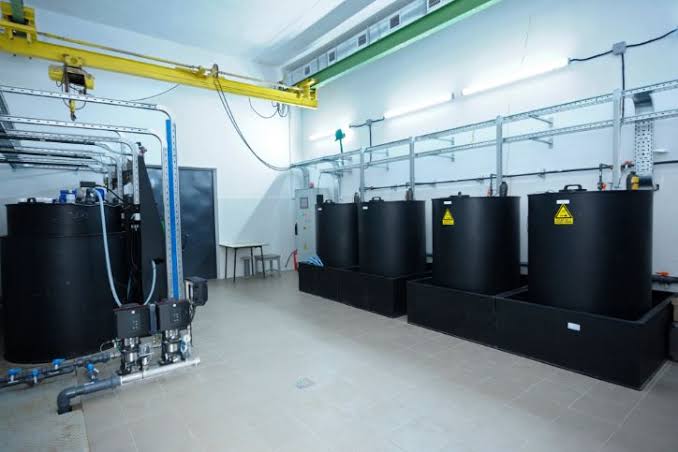
Secondary containment limits the spread of hazardous liquids when a primary container, pipe or transfer point leaks. Effective planning requires more than placing a bund beneath a tank. Chemical sites must consider containment capacity, material compatibility, drainage, operating practices and emergency response as one integrated system. This approach protects workers, soil and waterways while making spills easier to control and recover.
Identify Where Chemical Releases Could Occur
Begin by mapping every location where chemicals are stored, transferred or handled. These areas may include intermediate bulk container storage, fixed tanks, drum stores, dosing stations, delivery points and waste accumulation zones. Examine valves, hoses, pumps and couplings because failures frequently occur at connections rather than through the container body.
The containment method should reflect the volume, mobility and hazard profile of the liquid. Examples include raised bunded areas, portable spill decks and IBC bunds designed to help contain hazardous liquid spills. Transfer routes also need attention, as a leak outside the designated storage area could bypass otherwise suitable containment.
Calculate the Required Containment Capacity
A containment area must hold enough liquid to manage a credible release without overflowing. Capacity calculations should account for the largest container within the area, the total quantity stored and any applicable environmental or workplace requirements. Where the bund is outdoors, rainfall can substantially reduce the volume available for a spill.
The stated capacity should be based on usable space, not simply the bund’s external dimensions. Container footprints, supports, pipework and accumulated rainwater can create displacement, reducing the amount of liquid the system can actually retain. Leaving an appropriate freeboard allowance provides additional protection against splashing and unexpected inflows.
Match Materials to the Chemicals Stored
Containment materials must remain stable when exposed to the substances they are intended to hold. Polyethene may suit many corrosive liquids, while stainless steel or coated systems may be preferable for other chemicals, temperatures or operating conditions. Compatibility should never be assumed from appearance alone.
Review the chemical supplier’s safety data sheet and the containment manufacturer’s chemical compatibility information before selecting equipment. Mixed storage requires particular care because escaped substances could react inside a shared bund. Incompatible products should be segregated so that one incident does not create a more dangerous reaction.
Control Drainage and Rainwater
Bund valves and drainage points can become weak links if they are left open or poorly managed. A closed containment area should not discharge directly into stormwater infrastructure. Any collected liquid must be inspected before removal because clean rainwater may still contain dissolved or diluted chemicals. The first flush after a dry period can be particularly contaminated as rainfall collects residues from exposed surfaces.
Outdoor containment should be checked after heavy rain, with water removed through an approved procedure. Covers can reduce rainwater entry but should not obstruct ventilation, inspections or emergency access. Site drainage plans should also show where an overflow would travel if containment capacity were exceeded.
Plan for Inspection and Spill Response
Routine inspections should cover cracks, corrosion, damaged seals, blocked sumps and signs of leakage beneath containers. Flexible bund walls and portable units should be checked for deformation or impact damage. Findings need to be documented so emerging problems can be corrected before containment is needed.
The spill response plan should specify who raises the alarm, stops the source and arranges recovery. Suitable personal protective equipment, absorbents, drain covers and compatible transfer equipment must be accessible. Staff should also understand when evacuation or specialist hazardous-material support is required.
Keeping Containment Effective Over Time
Secondary containment remains reliable only when site conditions, stored chemicals and operating practices are reviewed together. Recalculate capacity when storage layouts change, confirm compatibility before introducing new substances and treat inspections as an operational responsibility. A properly planned system reduces the likelihood that a manageable leak will develop into a wider safety or environmental incident.