How Cell Culture Models Are Advancing Neuroscience Research
Neuroscience research has made remarkable progress in understanding how the brain functions, develops, and responds to disease. However, the complexity of the nervous system makes studying neurological disorders particularly challenging. Cell culture models have become essential tools for overcoming these challenges, allowing scientists to investigate neural processes in controlled laboratory environments. From exploring cellular communication to developing potential treatments, these models are transforming modern neuroscience research.
Understanding the Role of Cell Culture Models in Neuroscience
Cell culture models involve growing and maintaining cells outside their natural biological environment under carefully controlled conditions. In neuroscience, researchers use neuronal and glial cell cultures to examine cellular behavior, signaling pathways, and responses to external stimuli.
Unlike whole-organism studies, cell culture systems allow scientists to isolate specific biological mechanisms and observe cellular changes directly. Researchers can manipulate environmental conditions, introduce experimental compounds, and monitor molecular responses with greater precision. These capabilities make cell culture models valuable for investigating neurological development, cellular dysfunction, and disease-related processes.
Exploring Neurological Disorders Through Neuronal Cell Lines
Neurological disorders such as Alzheimer’s disease, Parkinson’s disease, and amyotrophic lateral sclerosis involve complex cellular and molecular abnormalities. Understanding these conditions requires experimental models that reproduce relevant aspects of neuronal behavior.
Established neuronal cell lines provide accessible and reproducible platforms for studying disease-associated mechanisms. For example, researchers frequently use SH SY5Y cell culture models to investigate neuronal differentiation, oxidative stress, neurotoxicity, and pathways associated with neurodegeneration.
These human-derived cells can develop neuron-like characteristics under appropriate differentiation conditions, making them useful for examining selected aspects of neuronal function. Although such models cannot fully replicate the complexity of the human brain, they provide valuable insights into disease mechanisms and potential therapeutic targets.
Accelerating Drug Discovery and Neurotoxicity Testing
Developing effective treatments for neurological conditions requires extensive testing to evaluate both therapeutic potential and cellular safety. Cell culture models support early-stage drug discovery by enabling researchers to screen experimental compounds before progressing to more complex biological systems.
Scientists can assess neuronal viability, mitochondrial activity, inflammatory responses, and changes in cellular signaling following treatment. These experiments help identify promising drug candidates while revealing potentially harmful effects. Standardized culture conditions also improve experimental consistency, supporting comparisons across different studies.
Advancements in Three-Dimensional Cell Culture Technology
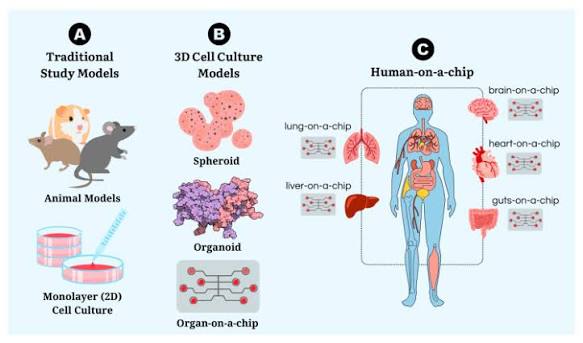
Traditional two-dimensional cell cultures remain widely used, but newer three-dimensional systems are expanding neuroscience research capabilities. Three-dimensional cultures, including neural spheroids and brain organoids, allow cells to organize into structures that more closely resemble certain features of neural tissue.
These systems can support more complex cellular interactions and provide opportunities to investigate brain development, disease progression, and treatment responses. When combined with stem cell technologies, advanced culture models offer additional possibilities for studying patient-specific neurological conditions.
The Future of Cell Culture in Neuroscience
As neuroscience continues to evolve, cell culture models will remain central to experimental discovery. Innovations involving induced pluripotent stem cells, organ-on-chip platforms, and advanced imaging technologies are improving researchers’ ability to investigate neural biology. Combining traditional neuronal cultures with sophisticated three-dimensional systems may provide a more comprehensive understanding of neurological disorders.
Ultimately, these advancements can help bridge the gap between laboratory findings and clinical applications, supporting the development of safer, more targeted therapies for neurological diseases.