Finding a Qualified Eyelid Surgeon in Toronto: A Patient’s Guide
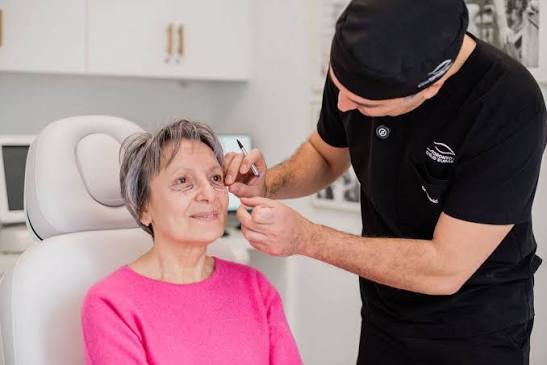
Eyelid surgery — blepharoplasty — is among the more commonly performed facial procedures, and for good reason. The upper and lower eyelids are among the first areas of the face to show visible aging, and the changes that accumulate there — excess skin creating heaviness on the upper lids, puffiness and hollowing around the lower lids, a general tired appearance that doesn’t reflect how the person actually feels — respond well to surgical correction when it’s performed by someone with genuine expertise in the area.
That expertise qualifier matters more for eyelid surgery than for some other cosmetic procedures. The periorbital area is anatomically complex, functionally critical, and aesthetically unforgiving of imprecision. The margin between a result that looks natural and refreshed and one that looks operated on is narrow, and it depends on a combination of surgical technique and aesthetic sensibility that isn’t uniformly distributed across surgeons who list the procedure among their offerings.
Finding the right surgeon requires more than identifying someone who performs the procedure. Patients evaluating eyelid surgery Toronto surgeons offer will find a wide range of practitioners — from oculoplastic surgeons who specialize specifically in the periorbital region to facial plastic surgeons and general plastic surgeons who include blepharoplasty within a broader practice. Understanding how those different training backgrounds relate to the specific demands of eyelid surgery helps narrow the field meaningfully.
Understanding the Relevant Specialties
Eyelid surgery sits at an intersection of surgical specialties in a way that most other cosmetic procedures don’t. Oculoplastic surgeons — ophthalmologists who’ve completed additional fellowship training in ophthalmic plastic and reconstructive surgery — bring a depth of knowledge about eyelid anatomy, tear film function, and ocular surface health that’s specifically relevant to surgery in this area. Facial plastic surgeons and plastic surgeons with a strong focus on facial procedures bring aesthetic expertise and technical skill that translates well to blepharoplasty when combined with adequate periorbital experience.
The question isn’t which specialty is categorically superior — excellent outcomes come from surgeons across all three pathways — but whether the specific surgeon being considered has depth of experience with eyelid surgery specifically, regardless of the specialty from which they approached it. Volume matters in a procedure where subtle technical decisions have visible consequences, and a surgeon who performs eyelid surgery regularly as a central part of their practice has built the kind of refined judgment that occasional performers of the procedure haven’t had the opportunity to develop.
Credentials and Verification
The baseline credentials for surgeons performing eyelid surgery in Canada include Royal College certification in the relevant specialty — plastic surgery, ophthalmology with oculoplastic fellowship training, or otolaryngology with facial plastic surgery fellowship. Provincial college registration and active hospital privileges are worth verifying independently rather than simply accepting as given.
Hospital privileges in particular carry weight because they represent an independent credentialing process. A surgeon who holds active privileges for the relevant procedures has been reviewed by a hospital medical staff committee — a layer of external verification that goes beyond self-presentation. This check is worth making even when the planned procedure will be performed in an accredited private clinic rather than a hospital setting.
The Consultation as a Diagnostic Process
The consultation is where the most substantive patient evaluation happens, and it deserves more active engagement than patients sometimes bring to it. A thorough consultation for blepharoplasty should include a detailed assessment of eyelid anatomy — skin quality, fat distribution, the degree of ptosis if present, the position of the brow and how it interacts with upper lid appearance, and the condition of the lower lid support structures.
A surgeon who assesses these factors carefully before discussing any surgical approach is demonstrating the kind of clinical thoroughness that matters for a procedure where the right technique depends heavily on individual anatomy. One who moves quickly toward a treatment recommendation without that assessment is a different kind of signal.
Specific questions worth raising during the consultation include which technique the surgeon would use and why it’s appropriate for this patient’s anatomy, what the realistic range of outcomes looks like, how complications are handled and what the revision approach would be if the initial result requires adjustment, and what the recovery timeline involves in practical terms.
Reviewing Before-and-After Results With Appropriate Context
Before-and-after galleries require informed interpretation to be useful. Results on patients whose anatomical starting point resembles the prospective patient’s own concerns are more predictive than results on patients with significantly different presentations. Consistency of lighting and angle across before-and-after photographs allows more reliable comparison than galleries that vary significantly in image quality or standardization.
Results should also be evaluated with an eye toward what a natural outcome looks like versus one that’s been overcorrected. Upper blepharoplasty that removes too much skin produces a result that looks operated on. Lower blepharoplasty that creates a rounded or pulled lower lid appearance reflects a technical or anatomical judgment issue. Knowing what to look for when reviewing a surgeon’s portfolio requires some education about what good outcomes actually look like — information that a thorough consultation with any qualified surgeon should provide.
Facility Accreditation
The accreditation status of the surgical facility is worth confirming as a separate verification step. Accredited surgical facilities in Ontario operate under provincial standards covering anesthesia, emergency preparedness, and infection control protocols. Even for a procedure that may seem relatively contained, surgery performed under sedation or general anesthesia in a facility that doesn’t meet accreditation standards carries risk that an accredited facility reduces through its operating requirements.
Confirming accreditation through the College of Physicians and Surgeons of Ontario before any procedure is scheduled is a straightforward step that adds a meaningful layer of verified assurance beyond what any clinic’s own marketing communicates about its standards.