The Home Defense Checklist Nobody Talks About Until It Matters
The sound came at 2:17 a.m. Not a dramatic crash. Not a movie-style break-in. Just a strange noise downstairs that did not belong.
Half asleep, you immediately start doing mental math. Was that the dog? The ice maker? A door that did not latch completely? Or something else?
It is an uncomfortable moment because it exposes a truth many homeowners discover only when stress arrives: most people think about home defense in terms of equipment. Very few think about systems.
The reality is that home security is usually won or lost long before an emergency occurs. The decisions that matter most are often the boring ones nobody discusses at backyard barbecues or neighborhood gatherings. Let’s talk about those.
Your First Layer of Defense Isn’t a Tool
Many people jump straight to cameras, alarms, or other gear. Those things can help, but they are not the foundation.
The first layer of home defense is making your property a less attractive target in the first place. Walk around your home after dark. What can a stranger see? Are entrances well lit? Can landscaping provide concealment near windows or doors? Are valuable items visible from the street?
Small improvements often create outsized benefits. Motion lighting, trimmed shrubs, reinforced door hardware, and visible signs of occupancy can discourage opportunistic criminals before they ever test a lock.
It is not glamorous. That is precisely why it works.
Know Your House in the Dark
Most people know their homes well during daylight. At 2:17 a.m.? Not so much.
One useful exercise is to move through your house at night without turning on every light. Notice where shadows collect. Identify obstacles that could become hazards. Learn which floors creak and which pathways remain clear.
The goal is not to practice for a dramatic confrontation. The goal is to avoid confusion during a stressful event.
Stress has a remarkable ability to make familiar places feel unfamiliar. The more comfortable you are in your environment, the better your decision-making tends to be.
Communication Beats Guesswork
A surprising number of families have never discussed what they would do during a home emergency.
What happens if someone hears suspicious activity downstairs? Where should family members go? Who calls emergency services? Which room offers the most security while waiting for help?
These questions feel unnecessary until they suddenly become very necessary.
The best plans are usually simple. Everyone knows their role. Everyone knows where to go. Everyone understands that confusion is the enemy. Complicated plans look impressive on paper. Simple plans work under stress.
The Phone Might Be Your Most Important Tool
People often overlook the value of immediate communication. Keep a charged phone accessible at night. Know your address without having to look it up. Save important emergency contacts. Consider how quickly you could contact first responders if needed.
Technology is not perfect, but having reliable communication available can significantly improve your options during an emergency.
A surprising number of bad situations become far more manageable once help is on the way.
Equipment Requires More Than Ownership
This is where many homeowners make a critical mistake. Buying safety equipment feels productive. Maintaining and testing it feels less exciting.
Smoke detectors need batteries. Security cameras need updates. Flashlights need working batteries. Door locks need occasional inspection. The same principle applies to defensive tools.
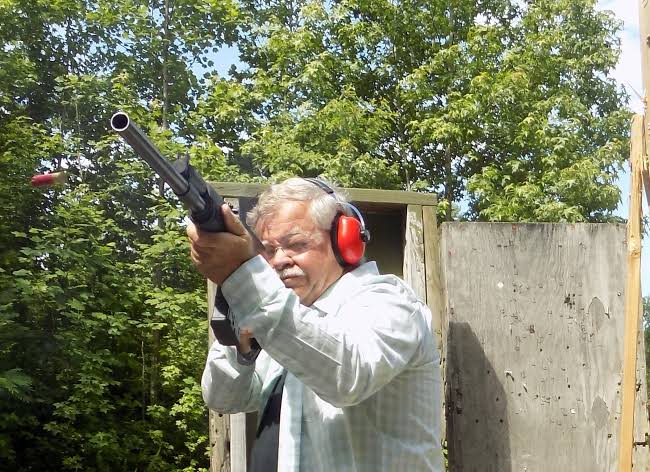
For lawful firearm owners, ammunition selection is one small part of a larger home defense system. Some compare shotgun ammo based on reliability, recoil feel, point of impact, controllability, and how it performs in their specific firearm. The practical standard is simple: it should feed reliably, function predictably, and be tested with the actual firearm being used.
No marketing claim can substitute for proper testing and familiarity. The box is only the beginning. The range tells the truth.
Safe Storage Is Part of Defense
Home defense conversations sometimes focus so heavily on access that they overlook security. Responsible ownership requires balancing both.
Firearms should be secured from unauthorized access while remaining available to lawful owners according to their needs and circumstances. The right solution depends on household composition, local laws, and individual preferences.
What matters is having a deliberate plan rather than relying on assumptions. The goal is safety in every direction, not merely convenience.
Confidence Comes From Preparation
One reason emergencies feel overwhelming is that they force decisions under pressure. Preparation reduces that pressure.
When homeowners know their plan, understand their equipment, communicate with family members, and maintain their property, uncertainty loses some of its power.
Does that guarantee nothing bad will happen? Of course not.
But preparedness increases the likelihood that problems can be managed calmly and effectively.
The Checklist That Matters Most
Home defense is often portrayed as a collection of products. In reality, it is a collection of habits.
Doors are secured. Lights work. Emergency contacts are available. Family members know the plan. Equipment is maintained. Serious tools, if present, are stored responsibly and understood thoroughly.
Most of these tasks are forgettable. None are particularly exciting. That is exactly the point.
The best home defense checklist is the one you complete long before you need it. Because when an unexpected noise breaks the silence at 2:17 a.m., that is not the moment to start making a plan. It is the moment to rely on the one you already have.