Planning a Weekend Camping Trip With a Solar Generator
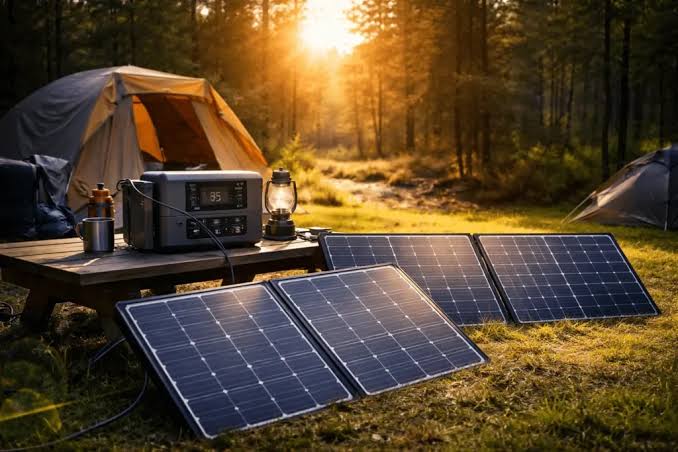
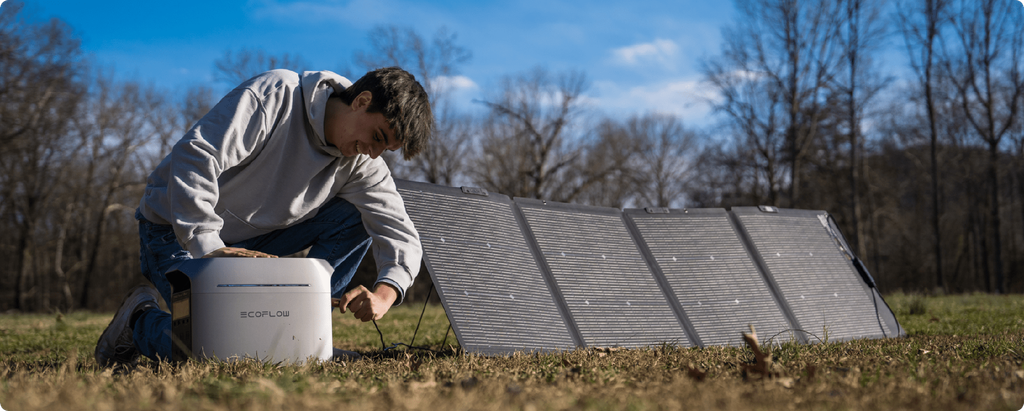
A weekend campsite can have surprisingly different power needs from one trip to the next. Charging two phones and running a lantern is a modest task. Adding a portable refrigerator, a fan, and a laptop changes the energy budget.
Choosing a solar generator starts with your trip and the equipment you will actually bring.
Begin with the period between reliable charging opportunities. If you leave home fully charged on Friday and return on Sunday, your battery may need to cover two evenings and the time between them. Solar panels can extend that supply, but weather and campsite shade determine how much energy you can recover.
Build The List From Your Camping Routine
Imagine an ordinary day at camp. You prepare breakfast, leave for a hike, return in the afternoon, and use lights after sunset. List the electrical equipment involved and how long each item runs. Include devices that operate while you are away, because they use energy even when nobody is looking at the battery display.
Charging equipment needs some thought too. A phone charger may have a high maximum rating without drawing that amount for the entire charging session. A portable refrigerator may cycle its compressor. For these items, measured energy use or manufacturer information for comparable conditions is more useful than multiplying the maximum rating by every hour of the trip.
Keep occasional extras separate. A camera battery charger used once may be easy to accommodate. A cooking appliance used at every meal can dominate the budget and change how much equipment you need to carry.
Estimate A Day Before Sizing The Whole Weekend
Consider a fictional setup with a 10W light used for four hours, a 25W fan used for six hours, and a laptop averaging 50W for two hours. These loads total 290Wh before charging phones, running refrigeration, or accounting for system losses.
The calculation is simply power multiplied by operating time, added across the devices.
Repeat the calculation for the entire period you want to cover. Add room for longer evenings, an extra device, and energy lost in conversion. The margin should reflect your actual uncertainty, not a universal percentage copied from a shopping guide.
Check the total simultaneous load separately. Even when daily energy use looks modest, two high-power appliances operating together may exceed the inverter’s continuous output. Decide whether you can use them one at a time or need a different system.
Consider How Far The Equipment Must Travel
A solar generator that is easy to unload beside a vehicle may be impractical at a walk-in campsite. Battery weight is only part of the load. Include panels, cables, adapters, and any storage case when judging portability.
Check the packed dimensions against the space left after tents, food, and bedding are loaded.
When comparing a solar generator, look for the combination of usable capacity, supported output, and manageable carrying weight that fits your routine. EcoFlow offers solar generator configurations aimed at outdoor use as well as larger backup applications, so narrowing the task first makes the range easier to assess.
Pay attention to the ports you will use. A suitable USB-C output may simplify laptop charging, while compatible DC equipment can avoid an unnecessary AC adapter. Confirm the device’s required voltage, connector, and power profile rather than relying on the socket’s shape.
Plan Solar Collection Around The Campsite
Shade is welcome over a tent but can limit solar charging. Before depending on panels, consider whether your site offers an open area during useful daylight. A tree that leaves the panel clear at breakfast may shade it by midday.
Nearby vehicles, awnings, and camping equipment can also obstruct sunlight.
Portable panels give you some freedom to adjust placement, as long as you stay within the product’s cable and installation instructions. That freedom comes with a task: somebody needs to set them out, check the position, and pack them away when necessary.
Decide whether that routine fits the way you camp.
Don’t assume a panel’s rated wattage is a constant output throughout the day. A charging plan should allow for changing sunlight and losses. If the trip requires a guaranteed minimum supply, size the stored reserve for the period you cannot confidently cover with solar.
Keep The Battery In Suitable Conditions
Follow the unit’s instructions for temperature, moisture protection, and ventilation. A waterproof panel does not mean that the power station or every connector can tolerate rain. Check each component’s rating and keep the battery in an appropriate location while allowing the required airflow.
Route cables away from paths and places where chairs, tent stakes, or vehicle doors could damage them. Keep charging connections organized so nobody disconnects a critical load while reaching for a phone cable. These small choices make the setup easier to live with for a whole weekend.
Also check campground rules. Battery equipment avoids engine exhaust while operating, but site requirements for equipment placement, noise, and unattended belongings may still apply. Cooling fans can be audible, especially in a quiet tent at night, so consider placement before everyone goes to sleep.
Test The Packed Setup At Home
Test the solar generator with the same cables, devices, and operating schedule you plan to take camping. If refrigeration is part of the trip, test it under representative conditions and note how much energy it uses. For an overnight fan, check its consumption and whether the power station’s settings let it run at a low load.
Pack up after the test and check the total carrying weight. Make sure the person setting up camp can find every essential cable without unpacking the entire vehicle. Charge the battery according to the manufacturer’s guidance before departure.
A well-matched camping system supports the trip without adding constant monitoring. The right size gives you enough stored energy for the essentials, a realistic chance to recharge, and equipment you are comfortable moving each time the campsite changes.