Strategic Equipment Acquisition: Enhancing Diagnostic Imaging Capabilities with Refurbished MRI Systems
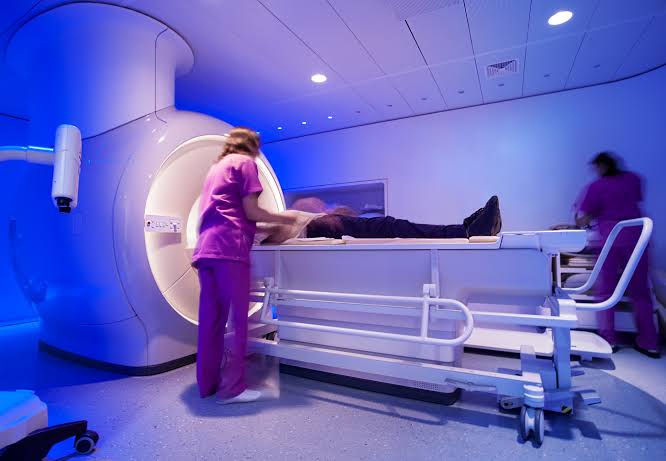
Magnetic Resonance Imaging (MRI) remains one of the most critical diagnostic modalities in modern medicine, providing detailed soft-tissue visualization essential for neurological, musculoskeletal, and oncological evaluations. As patient demand for high-resolution diagnostic scans continues to rise, healthcare institutions are under constant pressure to expand their imaging capacity. However, acquiring state-of-the-art diagnostic machinery involves significant capital expenditures, complex installation requirements, and ongoing operational costs. For many hospitals, outpatient clinics, and growing diagnostic centers, purchasing brand-new systems can strain capital budgets and limit financial flexibility. Consequently, strategic procurement specialists are exploring alternative equipment models to maintain clinical excellence while optimizing financial performance.
Sourcing pre-owned and refurbished imaging technology has emerged as a practical and reliable strategy for healthcare facilities seeking to balance performance with budget discipline. Modern refurbishment processes involve complete system dismantling, thorough component inspection, replacement of worn parts, helium refill management, and software upgrades. When performed by certified engineers, this comprehensive reconditioning restores the machinery to original manufacturer performance specifications, ensuring consistent image clarity, patient comfort, and operational safety.
Facilities looking to upgrade their diagnostic capabilities while keeping capital expenditure under control can explore high-quality second hand MRI machines to expand their clinical offerings without incurring excessive financial debt.
Operational Advantages and Technical Reliability
Beyond the clear initial cost advantages, integrating refurbished imaging equipment offers several operational benefits. Reduced capital output allows healthcare providers to allocate financial resources toward secondary facility improvements, staff recruitment, specialized training, and complementary diagnostic tools. Moreover, acquiring pre-owned systems often shortens procurement lead times compared to factory-new orders, enabling clinics to launch or expand diagnostic services more rapidly to meet urgent community healthcare needs.
To maximize the long-term value of pre-owned imaging systems, healthcare administrators must conduct thorough vendor evaluations prior to acquisition. Key factors include reviewing the equipment’s service history, verifying compliance with current regulatory standards, and securing comprehensive service contracts. A robust maintenance plan with guaranteed uptime, rapid spare parts delivery, and ongoing technical support is vital for preventing unexpected operational downtime and ensuring continuous patient throughput.
Environmental Responsibility and Sustainable Expansion
Additionally, sustainability considerations are becoming increasingly important in healthcare management. Opting for refurbished medical systems supports circular economy principles by extending the lifespan of sophisticated machinery, reducing industrial waste, and lowering the carbon footprint associated with manufacturing new diagnostic devices. This environmental benefit aligns with modern corporate sustainability goals without sacrificing clinical diagnostic precision.
In conclusion, the strategic acquisition of refurbished diagnostic imaging systems provides a balanced approach to modern clinical expansion. By combining cost efficiency, reliable technical performance, and environmental responsibility, healthcare facilities can expand their diagnostic capacity, deliver high-quality patient care, and maintain long-term financial stability in a highly competitive market environment. Investing in refurbished technology remains a proven strategy for sustainable growth. Through careful selection, expert installation, and reliable ongoing support, health institutions can achieve optimal imaging performance while maintaining financial flexibility for future technological advancements and patient care initiatives across all clinical departments. Sustainable procurement practices ensure that modern healthcare providers deliver exceptional diagnostic services while managing operational budgets effectively and responsibly.