Experiential Marketing Ideas That Help Small Brands Stand Out
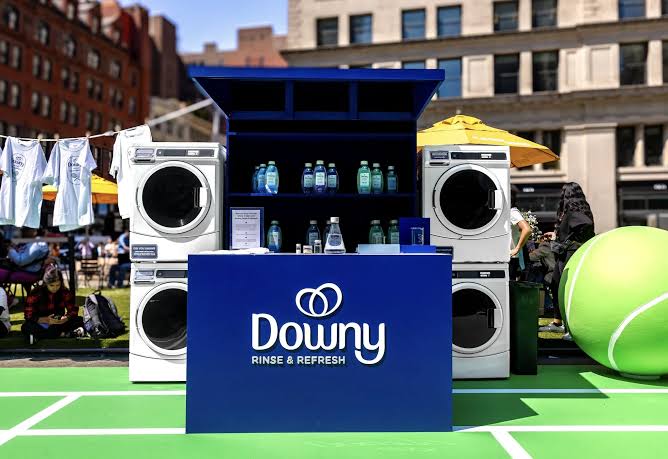
Small brands can use experiential marketing to let customers try a product, meet the people behind it and remember the occasion afterwards. Advertising budgets rarely stretch far enough to compete with larger names, but a small team can talk to every visitor personally and answer questions.
Tasting tables, short workshops, stalls at local events and weekend pop-ups are all affordable on a modest budget with a few helpers, provided the format suits the product and gives people a reason to stay and talk to whoever is behind the stand.
Pop-Ups and Temporary Event Spaces
Marquee hire in London is one way to create a branded venue in a garden or outdoor space, with lighting, furniture and decoration chosen to match the brand’s look. At a launch party or a weekend of tastings held in one, guests have a single place to find the products, meet the team and stay long enough to ask questions.
Brands that sell mostly online can use a pop-up in a borrowed shop unit as a physical home for a few days. Visitors who photograph and post what they see also carry the event well beyond the people in the room, which suits a small team without a large advertising budget.
Low-Cost Ideas to Try First
Tasting tables: Offer small samples at a market stall or beside a shop entrance, and ask each person one question about what they would change, so every sample comes with feedback the brand can act on. Write the answers down afterwards so they can be compared.
Workshops: Teach a small skill linked to the product, such as repotting a plant or blending a candle scent, and keep the group to around a dozen people so everyone gets a turn. Attendees stay longer and tend to ask better questions than they would at a stall.
Local events: A stall at a school fair, food market or community day costs little and puts the brand in front of people who live or work nearby. Bring a sign-up sheet or a simple offer for return visits so the day leads to repeat customers.
Partnerships: Brands often gain from teaming up with neighbouring businesses that draw similar customers without selling competing products, which lets two small teams share stall fees, staffing and promotion. A bakery and a coffee roaster working the same market stand is a simple example.
Following Up After the Event
Collect a name and email or social handle from visitors who are happy to share one, and message them within a few days while the event is still fresh. Photos from the stall, tagged with permission, give the brand something to post in the following weeks. Judge the day by conversations held, sign-ups collected and sales made, then note what to change before the next date.
Pick one idea from this list, set a date within the next two months and decide in advance what a good result looks like, whether that’s twenty conversations or fifty sign-ups. A small first attempt shows what works long before a larger plan would, and it’s easy to repeat.