The Modernization Dilemma: How Hospitals Are Bridging the Diagnostic Imaging Gap

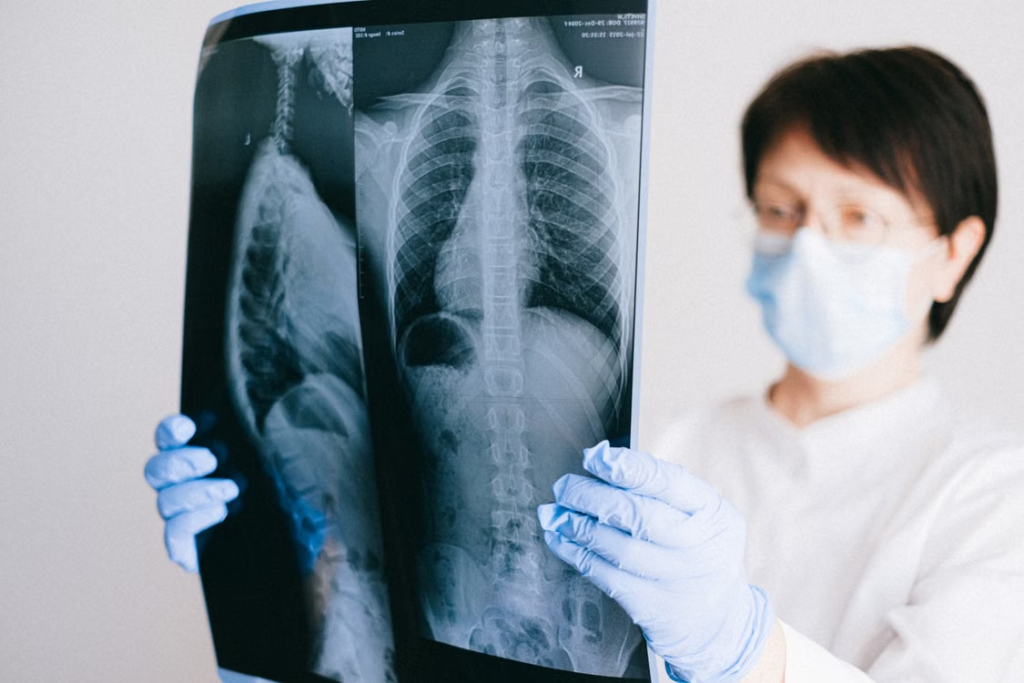
High-volume diagnostic imaging sits at the core of effective triage, oncology, and preventative healthcare. Yet, hospital administrators across the globe face an increasingly complex financial puzzle: patient volume continues to outpace available diagnostic capacity, while capital expenditure budgets remain under intense pressure.
When a primary CT scanner or MRI system reaches the end of its typical operational cycle, replacement costs can quickly run into millions of dollars. Extended manufacturing lead times for new units further compound the issue, forcing facilities to manage growing waitlists while attempting to keep emergency diagnostic services online. To bridge this gap, forward-thinking medical centers are turning to strategic equipment lifecycle solutions. Partnering with established healthcare equipment specialists like Agito Medical allows clinical networks to acquire thoroughly tested pre-owned systems, secure interim mobile rentals, and maintain continuous patient care without incurring unsustainable capital debt.
By diversifying their hardware acquisition strategies, health systems can modernize their imaging departments without sacrificing financial resilience.
The Strategic Shift Toward Pre-Owned Medical Hardware
Upgrading diagnostic infrastructure no longer requires relying solely on orders for factory-new equipment. The market for high-tier pre-owned imaging systems has matured significantly over the past decade.
Capital Allocation and ROI Optimization
Full-suite imaging replacements involve far more than the scanner itself; room preparation, radiation shielding, power infrastructure updates, and software licensing add substantial overhead. Choosing high-specification pre-owned systems lowers upfront equipment costs by up to 50 percent. This capital savings enables medical facilities to reallocate critical funds toward hiring specialized clinical staff, expanding outpatient facilities, or upgrading emergency department resources. Through customized sourcing and site-planning support, Agito Medical helps healthcare providers identify multi-brand hardware solutions that align with specific diagnostic needs rather than rigid vendor requirements.
Mitigating Downtime with Modular and Mobile Units
Facility upgrades and scheduled maintenance often threaten to interrupt diagnostic workflows for weeks at a time. To prevent service disruptions, hospitals frequently deploy mobile CT, MRI, or PET-CT units housed in self-contained trailers. Positioned directly outside a facility, these mobile suites interface seamlessly with hospital networks, keeping scan volumes stable during planned transitions or unexpected hardware failures.
Quality Assurance and Regulatory Compliance
A foundational priority for any medical technology deployment is patient safety and diagnostic accuracy. Secondary market medical devices undergo rigorous testing protocols to ensure they perform identically to new factory models.
System refurbishment involves meticulous component replacement, calibration against strict factory specifications, and comprehensive phantom scan verification. Establishing rigorous operational oversight remains essential across all health systems. The World Health Organization highlights structured medical device management guidelines as a core requirement for maintaining safety, quality, and equitable healthcare access worldwide.
Collaborating with specialized supply partners like Agito Medical ensures that all secondary equipment complies fully with international regulatory benchmarks, giving clinical teams complete confidence in every scan.
Building a Sustainable, Circular Healthcare Footprint
Beyond immediate financial and operational perks, integrating pre-owned hardware supports environmental sustainability goals. Medical machinery requires massive quantities of refined metals, rare earth elements, and energy to produce.
Reconditioning, redeploying, and responsibly recycling diagnostic equipment keeps hundreds of tons of high-grade materials out of industrial waste streams each year. For modern healthcare organizations seeking to reduce their carbon footprint, adopting circular technology practices offers a direct, measurable path toward sustainable facility operations.