The Business of Designing Slots Around Real Gamer Behavior

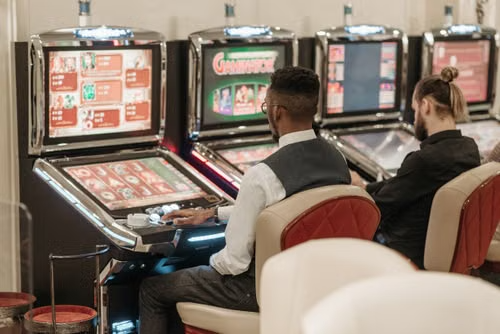
Modern slot development is not built only around colourful themes, mathematical models, or polished animation. Successful studios also study how people actually interact with a game: where they pause, which rules confuse them, how long sessions last, what causes early exits, and which features encourage return visits.
This behaviour-focused approach turns slot design into a continuing business process. Developers launch a game, examine usage patterns, collect feedback, and apply what they learn to updates or future releases. For gaming enthusiasts, understanding this process makes it easier to recognise why some slots feel clearer, smoother, and better suited to real playing habits.
Player Behaviour Has Become a Business Asset
A studio cannot improve a game by relying entirely on assumptions. Players may say they want complex features, yet usage data may show that many leave when explanations become too long. They may enjoy dramatic animations at first, but regularly skip them during later sessions.
Analytics tools can measure engagement, session activity, progression, feature completion, and reactions to experimental changes. Studios may also compare broad player groups to see whether newcomers and experienced users behave differently. Unity describes analytics, audience segmentation, and A/B testing as tools for understanding player behaviour and making informed design decisions.
The commercial value comes from turning observations into improvements. A clearer paytable may reduce early exits. A shorter tutorial may help players reach the reels faster. A better feature explanation may prevent an interesting mechanic from feeling confusing.
Studios Study the Whole Playing Journey
Developers examine the journey from the loading screen and lobby image to the betting panel, rules menu, feature rounds, settings, and exit process.
First Sessions Test Clarity
Early behaviour shows whether a game communicates its structure successfully. Studios may review how quickly players locate stake controls, whether they open the information menu, and how often they leave shortly after launching the game.
This does not mean every slot must be simple. A feature-rich game can remain approachable when symbols, multipliers, progress meters, and bonus conditions appear in a logical order.
Repeat Sessions Test Efficiency
Returning players often want faster access to settings and feature information, while repetitive pop-ups or lengthy transitions may become more noticeable. Studios therefore balance explanation with efficiency, teaching newcomers without repeatedly slowing down regular players.
Mobile Habits Influence Major Design Choices
Slots are tested across phones, tablets, desktop screens, and different orientations. Android’s game-development guidance stresses the need to support varied display sizes, form factors, hardware conditions, and input methods because these differences affect the player experience.
For studios, this influences button size, text length, reel visibility, portrait layouts, loading weight, and one-handed interaction. A desktop concept with detailed side panels may need substantial changes before it works comfortably on a smaller screen.
Performance is also a business concern. Slow loading, frame drops, overheating, or delayed controls can weaken an otherwise attractive game. Android recommends measuring performance, locating CPU or GPU bottlenecks, checking individual scenes, and validating improvements through testing.
Efficient artwork, compressed assets, responsive controls, and stable animation can therefore be as commercially important as the theme itself.
Behavioural Design Must Respect Regulation
Studios cannot simply copy every pattern that appears to increase engagement. Slot design must also follow technical standards, market rules, platform requirements, and responsible-gaming principles.
In Great Britain, remote game standards require at least 2.5 seconds between the start of one game cycle and the ability to begin the next. They also prohibit turbo-style features and celebratory effects for returns equal to or lower than the amount staked.
This shows why player behaviour is only one input. A sustainable slot must combine entertainment, clarity, technical reliability, and compliance.
Testing Separates Opinion From Evidence
Design teams often disagree over interface choices. One person may prefer a large feature meter, while another wants more space for the reels. Controlled testing lets studios compare versions with similar situs gacor player groups.
Common tests may examine tutorial formats, button locations, lobby thumbnails, feature explanations, or animation lengths. The goal is to identify which version communicates more clearly, performs more reliably, or creates less friction. The strongest result is not always the loudest design. Frequently, it is the version players understand with the least effort.
What Gaming Enthusiasts Should Notice
Players can judge behaviour-led design by asking practical questions. Is important information easy to find? Does the game remain smooth after several minutes? Are feature triggers explained before they occur? Can deposit 5k sound and accessibility settings be changed without interrupting play?
A thoughtfully designed slot makes its structure visible. Players should understand the stake, possible outcomes, feature conditions, and current game state without guessing. Clear feedback matters even more when several modifiers, expanding symbols, or collection systems operate together.
The Strongest Designs Respect Real Players
The business of slot design increasingly depends on observing real behaviour rather than designing for an imaginary average user. Studios combine analytics, usability testing, device performance, feedback, and regulatory requirements to understand what works during actual sessions.
For enthusiasts, this provides a better way to judge quality. Theme and graphics still matter, but clarity, responsiveness, pacing, stability, and transparent feature design reveal much more about the development process. The best slots are not merely built to attract attention. They are built around how real people learn, interact, and make decisions.