What the PSLE Means for Your Child’s Primary School Journey in Singapore
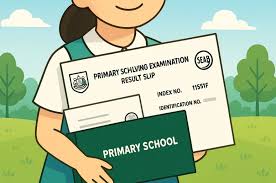
Parents in Singapore face important decisions during their child’s early academic journey through primary education. Each stage carries expectations that shape both learning habits and emotional development across formative school years. One key milestone within this journey is the Primary School Leaving Examination, known widely as PSLE.
Families frequently consult a list of primary schools in Singapore to align educational goals with suitable environments. Beyond rankings, parents also consider teaching styles, values, and overall support systems offered within each institution. This article explores how PSLE influences your child’s primary education journey and related school considerations.
A Clear Checkpoint After Six Years
The PSLE stands as a formal checkpoint after six structured years within primary education in Singapore. It offers a measurable reflection of subject knowledge across English, Mathematics, Science, and Mother Tongue disciplines. Parents gain a clearer sense of how early academic foundations have developed through steady classroom exposure.
This stage also signals closure for foundational learning, where basic literacy and numeracy should feel secure and familiar. Students may feel a mix of pride and uncertainty as they approach this widely recognised academic milestone. Support from home and educators plays a quiet yet essential role during this transitional academic phase.
Shapes The Next Academic Path
Results from PSLE determine eligibility for different academic streams at the secondary level within Singapore. Each stream carries distinct expectations, pacing, and subject depth that shape a child’s educational experience. Parents view PSLE outcomes as a doorway toward suitable learning environments rather than fixed labels.
This transition influences subject combinations, classroom pace, and long-term academic opportunities across later years. Careful reflection on strengths and interests can guide better choices after results become available. Balanced guidance from families ensures that academic pathways align with both ability and personal growth potential.
Connects School Choice To Outcomes
When parents review a good primary school in Singapore, PSLE results become one reference point. These outcomes offer insight into academic support systems, teacher guidance, and curriculum strength within each institution. However, results alone do not fully capture the quality of care or holistic development offered.
Each institution brings its own culture, expectations, and teaching approach that influence a child’s overall experience. Some emphasise discipline and structure, while others prioritise creativity and inquiry across daily lessons. Parents generally consider both academic records and environment before finalising a suitable choice for their child.
Encourages Balanced Development
Although PSLE focuses on academic performance, many institutions promote character growth alongside subject mastery. Values such as respect, responsibility, and resilience receive attention through structured programmes and daily interactions. This broader focus helps students grow beyond examination scores into confident and thoughtful individuals.
Activities outside core subjects also support creativity, teamwork, and personal interests across the primary years in Singapore. Such exposure builds social awareness and confidence, which remain important during later academic transitions. A balanced approach ensures that examination preparation does not overshadow emotional and social development needs.
Builds Resilience And Confidence
Preparation for PSLE introduces structured revision habits and time management skills across daily routines. Children in Singapore’s primary schools learn how to organise tasks, prioritise subjects, and remain consistent. These habits form a strong base that supports future academic challenges beyond the primary stage.
Confidence develops gradually as children overcome small setbacks and recognise personal progress across subjects. Encouragement from teachers and parents helps reduce anxiety and promotes a steady, calm approach toward exams. This emotional support strengthens resilience, which becomes valuable during future academic and personal experiences.
Highlights the Role Of School Environment
The learning environment within each primary institution shapes how students respond to academic expectations. Supportive teachers, structured lessons, and clear communication contribute to a stable and encouraging atmosphere. Such factors influence both performance outcomes and a child’s comfort within daily academic routines.
Facilities, class size, and co-curricular opportunities also affect engagement and overall educational experience. Students thrive in settings where they feel understood, respected, and encouraged to participate actively. Parents can assess the environmental quality alongside PSLE outcomes when reviewing potential primary education options.
A Stepping Stone, Not The Final Word
PSLE holds significance, yet it does not define a child’s entire academic or personal future. Many pathways remain open after primary education in Singapore, with opportunities for growth across diverse learning environments. Children continue to develop new skills, interests, and strengths beyond this single academic checkpoint.
Perspective from families helps reduce unnecessary pressure and supports a healthier view of academic progress. Encouragement toward effort and improvement matters more than fixation on numerical outcomes or comparisons. This balanced mindset allows students to approach future challenges with confidence and a sense of purpose.
The PSLE remains a meaningful stage that reflects both academic effort and personal growth across early education years. A list of primary schools in Singapore allows parents to evaluate facilities, culture, and support systems across different institutions. Give your child the advantage of the right educational path and secure a bright, promising future ahead.