Esports and the Digital Revolution in Competitive Entertainment
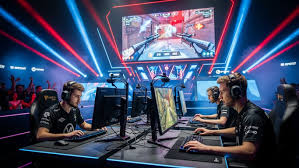
Esports has emerged as one of the most powerful forces in modern digital entertainment. What was once seen as a recreational pastime has evolved into a professional industry where elite players compete in global tournaments, brands invest heavily, and millions of fans tune in to watch live events. Competitive apk slot is no longer just for hobbyists. It has become a serious cultural and commercial movement.
As technology and gaming communities continue to grow, esports is reshaping how people view competition, entertainment, and digital careers.
What Exactly Is Esports?
Esports refers to organized competitive gaming where players or teams compete professionally in video games. These competitions range from local events to international championships with enormous prize pools and global viewership.
Unlike casual gaming, esports focuses on high-level skill, teamwork, strategic planning, and performance under pressure. Players train consistently to improve reaction times, tactical awareness, communication, and consistency.
Competitive gaming titles cover several categories, including:
- Tactical shooter games
- Multiplayer strategy games
- Sports simulation games
- Battle royale competitions
- Fighting games
- Racing titles
- Mobile competitive games
This variety allows esports to appeal to players and viewers with different gaming preferences.
The Origins of Competitive Gaming
Competitive gaming existed long before esports became mainstream.
In the early years, players competed in arcades for high scores and local recognition. As home gaming systems became popular, multiplayer competition expanded.
The real turning point came with widespread internet access. Online multiplayer gaming allowed players worldwide to challenge each other instantly.
South Korea became one of the earliest esports leaders, developing structured professional gaming ecosystems with television coverage, sponsors, and fan communities.
Later, streaming platforms transformed esports into a global entertainment product.
Why Esports Continues to Grow
The esports industry continues expanding for several reasons.
Easy Access for Viewers
Anyone with an internet connection can watch tournaments, highlights, and streams from anywhere.
High Engagement Levels
Fans actively participate through live chats, communities, social platforms, and creator ecosystems.
Strong Entertainment Value
Fast-paced gameplay and unpredictable competition create exciting viewing experiences.
Global Communities
Gaming naturally connects international audiences.
Continuous Game Evolution
Unlike many traditional sports, competitive games regularly receive updates that refresh strategy and gameplay.
This constant evolution keeps esports dynamic.
The Most Popular Esports Titles
Different games dominate different competitive audiences.
League of Legends
A highly strategic team-based title with one of the largest global esports ecosystems.
Counter-Strike
A tactical shooter famous for precision gameplay and legendary tournaments.
Dota 2
Known for complexity, strategic depth, and massive championship prize pools.
Valorant
A fast-growing competitive shooter attracting players worldwide.
Fortnite
A battle royale title with broad mainstream appeal.
Rocket League
Combines sports-inspired competition with technical gameplay.
PUBG
Popular for intense survival competition.
Mobile Competitive Titles
Mobile gaming continues driving esports growth in emerging markets.
Life Inside Professional Esports
Professional esports players maintain highly disciplined routines.
Typical responsibilities include:
- Individual skill training
- Team practice sessions
- Tactical planning
- Reviewing recorded matches
- Opponent analysis
- Communication drills
- Fitness maintenance
- Mental preparation
Success requires far more than simply playing games well.
Professional players must maintain consistency under pressure while adapting rapidly to evolving competition.
Esports Organizations and Team Infrastructure
Modern esports teams function like professional sports organizations.
They often provide:
- Player contracts
- Coaching support
- Performance analysts
- Sponsorship management
- Content teams
- Brand partnerships
- Travel coordination
- Media training
This infrastructure allows players to focus on performance.
Organizations increasingly position themselves as digital entertainment brands rather than simple gaming teams.
Revenue and Business Growth
Esports has become a commercially valuable industry.
Revenue streams include:
Sponsorship Investment
Brands collaborate with teams, players, and tournament organizers.
Tournament Winnings
Competitive events distribute significant prize money.
Digital Advertising
Streaming and video content generate ad revenue.
Merchandise Sales
Fans purchase team-branded apparel and products.
Subscription Revenue
Content platforms create recurring monetization opportunities.
Media Licensing
Broadcast rights add long-term business value.
This economic structure supports continued growth.
Streaming Culture and Personal Branding
Streaming changed how esports personalities build careers.
Players can strengthen their personal brands through:
- Live gameplay streams
- Educational content
- Fan interaction
- Community building
- Entertainment-focused content
Many personalities generate substantial income outside direct competition.
The creator economy has become closely linked with esports success.
Educational Recognition of Esports
Schools and universities increasingly support competitive gaming.
Examples include:
- Student esports teams
- Scholarships
- Broadcasting courses
- Event production programs
- Digital marketing opportunities
Academic recognition helps normalize esports as a career path.
Students interested in gaming now have more legitimate development opportunities.
Health Challenges in Competitive Gaming
Esports offers exciting opportunities but also creates physical and mental demands.
Common concerns include:
- Eye strain
- Hand fatigue
- Wrist injuries
- Neck pain
- Back discomfort
- Sleep disruption
- Performance stress
- Burnout
Professional organizations increasingly encourage healthier training practices.
Balanced routines and ergonomic environments are becoming more important.
Mobile Esports as a Growth Driver
Mobile gaming is transforming accessibility.
Smartphones allow millions of players to participate without expensive gaming hardware.
This opens new markets and expands competitive ecosystems in regions where PC gaming is less common.
Mobile esports has become a major force in global growth.
Technology and Innovation in Esports
Emerging technology continues shaping the competitive slot depo 1k experience.
Key developments include:
- AI-based analytics
- Advanced anti-cheat systems
- Better tournament broadcasting
- Interactive viewer experiences
- Cloud gaming possibilities
- Performance tracking tools
These innovations improve both player performance and audience engagement.
Comparing Esports with Traditional Sports
Esports shares many similarities with conventional athletics.
Both involve:
- Competition
- Team coordination
- Structured leagues
- Coaching
- Strategic planning
- Fan communities
- Commercial sponsorships
Differences exist, but public acceptance of esports as legitimate competition continues growing.
Career Opportunities Beyond Playing
The esports ecosystem supports diverse roles.
Examples include:
- Coach
- Analyst
- Broadcaster
- Tournament organizer
- Video editor
- Graphic designer
- Social media strategist
- Brand manager
- Community specialist
- Content creator
This broader ecosystem creates long-term career opportunities.
The Future of Esports
Industry momentum remains strong.
Future developments may include:
- Larger franchise leagues
- Cross-platform competitions
- More educational programs
- Virtual reality esports
- Enhanced mobile ecosystems
- Deeper brand investment
- AI-powered training systems
Esports is likely to become even more integrated into mainstream entertainment.
Final Thoughts
Esports has transformed competitive gaming into a global digital entertainment phenomenon. It combines strategy, skill, community, technology, and business in ways that continue redefining modern entertainment.
Whether as a player, creator, fan, or professional, esports offers enormous opportunities in a fast-moving digital future.