Tools to Support Aircraft Maintenance
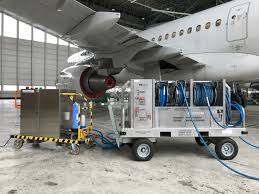

Aircraft maintenance is one of those fields where precision isn’t just important, it’s critical to keeping people safe in the skies. Modern aircraft are incredibly complex machines and maintaining them requires specialized tools that go far beyond what you’d find in a typical workshop. Every inspection, diagnosis, and repair needs to be executed with exacting precision, which is why maintenance professionals depend on an extensive collection of sophisticated equipment designed specifically for aviation use. The right tools don’t just help meet strict safety regulations; they also keep aircraft flying more consistently and reduce costly downtime. When organizations understand which maintenance tools are essential and how they’re used, they can build comprehensive toolkits that cover every aspect of keeping aircraft in top condition.
Essential Hand Tools and Precision Instruments
While hand tools might seem basic, aircraft, grade versions are anything but ordinary, they’re built to completely different standards than what you’d use on cars or general projects. Aviation wrenches, screwdrivers, and pliers must meet rigorous quality requirements to prevent any chance of leaving debris behind or applying incorrect torque to critical fasteners. Precision measuring tools like micrometers, dial indicators, and torque wrenches let technicians verify that specifications fall within the incredibly tight tolerances manufacturers demand. Many components need specialized tools created for very specific jobs. Think safety wire pliers for securing essential bolts or unique socket sets designed for fasteners you won’t find anywhere else.
Diagnostic and Testing Equipment
Today’s aircraft are packed with sophisticated electronics that demand equally advanced diagnostic tools for troubleshooting and verification. Multimeters, oscilloscopes, and specialized avionics testers give technicians the ability to measure electrical parameters, analyze signals, and pinpoint faulty components buried within intricate wiring systems. Engine diagnostic equipment keeps tabs on vital parameters, compression ratios, fuel flow rates, exhaust gas temperatures, to assess how well powerplants are performing and identify potential issues before they become serious problems. Hydraulic system testers check pressure, flow, and contamination levels to confirm that flight controls and landing gear are operating exactly as they should.
Visual Inspection Technologies
Visual inspection has always been fundamental to aircraft maintenance, it’s how technicians spot surface defects, corrosion, and structural damage before they threaten safety or airworthiness. Advanced optical tools take inspection capabilities well beyond what the human eye can detect alone, especially when examining hard, to-reach areas tucked away in airframes and engine assemblies. Magnification devices and specialized lighting reveal tiny cracks, surface irregularities, and material degradation that might slip past during standard inspections. When inspecting engine interiors and internal cavities, professionals who need to examine combustion chambers and turbine components rely on a clear video borescope to visualize areas inaccessible through standard inspection ports. High-resolution imaging systems don’t just help spot problems, they also create permanent documentation of component conditions, which proves invaluable for tracking trends and maintaining quality assurance records. As visual inspection technology keeps evolving, it’s getting better at catching defects while simultaneously cutting down inspection times and boosting maintenance efficiency across all aircraft types.
Non-Destructive Testing Equipment
Non-destructive testing methods are absolutely essential for evaluating what’s going on inside components without damaging the parts being inspected. Ultrasonic equipment sends high-frequency sound waves through materials to find internal flaws, measure thickness, and identify delamination in composite structures that are increasingly common in modern aircraft. Eddy current instruments excel at revealing surface and near-surface cracks in conductive materials, making them incredibly valuable when inspecting critical engine parts and structural elements. Magnetic particle inspection equipment works by applying magnetic fields and indicator particles to spot discontinuities in ferromagnetic materials.
Specialized Tooling and Support Equipment
Beyond general, purpose instruments, aircraft maintenance demands countless specialized tools created for particular aircraft types, systems, or specific procedures. Engine stands, lifting slings, and handling fixtures make it safe to remove, install, and service powerplants and other major components, tasks that would be extremely dangerous without the right equipment. Specialized jigs and fixtures maintain precise alignment during assembly work and ensure flight control surfaces are rigged properly. Composite repair equipment, vacuum pumps, heat blankets, curing ovens, supports maintenance of the advanced materials found in modern aircraft structures.
Digital Solutions and Documentation Systems
The digital revolution has brought powerful software tools and electronic systems into aircraft maintenance, dramatically improving efficiency, accuracy, and regulatory compliance. Electronic maintenance manuals put current procedures, illustrated parts catalogs, and technical data right at technicians’ fingertips without requiring them to lug around heavy paper documentation. Maintenance tracking software handles scheduled inspections, monitors component life limits, and generates the compliance reports aviation authorities require. Digital work cards walk technicians through procedures step-by-step while electronically capturing completion data, discrepancies, and quality control sign-offs.
Conclusion
Successful aircraft maintenance really comes down to having the right tools available exactly when and where they’re needed. From basic hand tools to sophisticated diagnostic equipment and cutting-edge inspection technologies, every category plays an essential role in keeping aircraft safe, reliable, and compliant with regulations. Organizations need to make strategic investments in quality tools, maintain them properly, and ensure technicians get adequate training in using them effectively. As aircraft technology continues advancing, with composite materials, digital systems, and increasingly integrated architectures, maintenance tooling has to evolve right alongside it to address new inspection challenges and changing maintenance requirements. The commitment to maintaining comprehensive, well-kept tool inventories really reflects how seriously an organization takes aviation safety and operational excellence.