What Happens When Communities Are Hit by a Sudden Crisis?
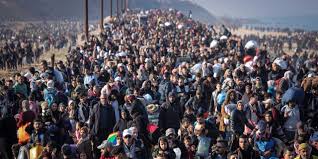
The impact of a sudden crisis such as a natural disaster, conflict, or economic collapse is immediate and far-reaching. Daily routines are disrupted in an instant, and what once felt stable can quickly become uncertain. For those affected, the experience is often overwhelming, as people are forced to navigate not only physical damage but also emotional and social upheaval.
Immediate Disruption and Shock
In the first hours and days following a crisis, confusion and shock are common. Homes may be damaged or destroyed, infrastructure can fail, and access to essential services like water, electricity, and healthcare is often compromised. Communication networks may break down, making it difficult for families to locate loved ones or access reliable information.
This initial phase is critical. Emergency responders and local organizations work rapidly to assess the situation, provide first aid, and begin rescue operations. However, the scale of need often exceeds available resources, particularly in densely populated or already vulnerable areas.
Humanitarian Needs Rise Quickly
As the immediate shock begins to settle, the full extent of humanitarian needs becomes clearer. People may be left without shelter, food, or clean water. Medical facilities can become overwhelmed, especially if there are large numbers of injuries or if existing healthcare systems are already under strain.
In these situations, coordinated relief efforts are essential. International aid organizations and charities often step in to provide urgent support, delivering supplies and setting up temporary shelters. Campaigns such as the Lebanon emergency response highlight how global support can help communities access critical resources when they need them most.
Emotional and Psychological Impact
Beyond the physical destruction, sudden crises take a significant toll on mental health. People may experience anxiety, grief, and trauma, particularly if they have lost loved ones or their homes. Children are especially vulnerable, as the loss of routine and security can be deeply unsettling.
Community support plays a vital role during this time. Neighbors often come together to help one another, sharing resources and offering emotional support. This sense of solidarity can be a powerful force in helping individuals cope with the immediate aftermath.
Displacement and Long-Term Uncertainty
In many cases, crises lead to displacement. Families may be forced to leave their homes and seek safety elsewhere, either within their own country or across borders. Displacement can create additional challenges, including limited access to education, employment, and healthcare.
Even for those who remain in their communities, rebuilding can take months or even years. Infrastructure must be repaired, businesses need to reopen, and local economies must recover. The path forward is rarely straightforward, and progress can be slow.
The Role of Preparedness and Resilience
While it is impossible to prevent all crises, preparedness can make a significant difference in how communities respond. Strong infrastructure, effective emergency planning, and access to resources can reduce the overall impact and speed up recovery.
Equally important is the resilience of the community itself. Social connections, local leadership, and a shared sense of purpose can help people rebuild and move forward. Over time, many communities emerge stronger, having developed new systems and support networks to better withstand future challenges.
Moving Forward Together
When communities are hit by a sudden crisis, the effects are profound and complex. From immediate disruption to long-term recovery, every stage presents its own challenges. However, with coordinated support, compassion, and resilience, recovery is possible.
The response to a crisis is not just about meeting urgent needs. It is also about restoring hope, rebuilding lives, and ensuring that communities have the tools and support they need to face the future with confidence.