Your Guide to Designing Temporary Spaces That Leave a Lasting Impression
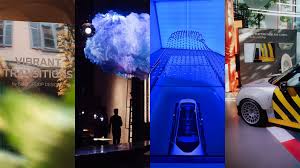
Temporary spaces have become a huge part of modern branding. From pop-up shops and festival stands to exhibition booths and outdoor events, businesses are constantly creating spaces designed to grab attention for a short amount of time.
But just because a setup is temporary does not mean people forget about it quickly. In fact, temporary spaces often create some of the strongest first impressions customers have with a brand. People decide very quickly whether a space feels professional, welcoming, creative, or forgettable. That means the design behind it matters far more than many businesses expect.
The good news is that creating a memorable temporary space is not always about having the biggest budget. Usually, it comes down to getting the smaller details right.
Think About How People Will Actually Use the Space
One of the biggest mistakes businesses make is focusing too heavily on appearance without thinking about how people will move around the space itself. A temporary setup might look great in photos, but if visitors feel cramped, confused, or unsure where to go, the experience quickly becomes frustrating.
The best spaces usually feel easy and natural to walk through. People should immediately understand where the entrance is, where to stop, and what the brand wants them to notice first. Even something as simple as leaving enough open space can make a temporary setup feel far more inviting.
Turn the Structure into Part of the Branding
A lot of businesses still treat tents and covered areas as purely practical features. In reality, the structure itself can become one of the strongest branding tools in the entire setup. Many brands now use specialist print media for tents to transform temporary spaces into something much more eye-catching and professional. Instead of looking like a plain shelter, the whole structure becomes part of the customer experience.
This works especially well at festivals, outdoor events, sporting venues, exhibitions, and markets where businesses are competing for attention from every direction. When the branding flows across the entire space rather than only appearing on small signs or banners, people remember it much more easily.
Keep the Design Clear and Simple
People usually only glance at temporary displays for a few seconds before deciding whether to stop or keep walking. That is why simple designs nearly always work better than crowded ones. Trying to include too much text, too many colors, or too many visuals often overwhelms people.
The most effective temporary spaces tend to focus on one strong message with clean branding and easy-to-read graphics. Customers should instantly understand who the business is and what it is offering without needing to study the display. Simple setups also tend to feel more confident and professional overall.
Comfort Helps People Stay Longer
The longer people spend inside a branded space, the more likely they are to remember the business afterwards. That is why comfort matters so much. Simple things like seating, shelters from the weather, open layouts, or even a small shaded area can completely change how visitors experience a temporary setup. People naturally spend more time in spaces where they feel relaxed rather than rushed. At busy events, this can make a huge difference because customers are constantly deciding where they want to stop and where they want to move on quickly.
Good Materials Help Everything Feel More Professional
Temporary spaces go through a lot. Displays are packed away, transported, rebuilt, exposed to the weather, and used repeatedly throughout the year. If materials crease easily, fade quickly, or start looking worn after a few uses, the entire setup can lose impact surprisingly fast. That is why businesses are paying far more attention to quality materials now than they used to.
Stronger fabrics, better print finishes, and more durable structures help temporary spaces continue looking sharp event after event. People may not consciously think about the materials being used, but they definitely notice when a setup looks polished and well cared for.
Flexibility Makes Future Events Easier
One of the smartest things businesses can do is design temporary spaces that can adapt. A setup might need to work at an outdoor event one week and an indoor exhibition the next. Portable graphics, modular layouts, and lightweight displays make this much easier.
Flexible setups also help businesses refresh campaigns without starting from scratch every time. That saves money, reduces waste, and keeps branding feeling fresh across different events and locations.