Why Hemp Consumers Are Looking Beyond CBD Flower
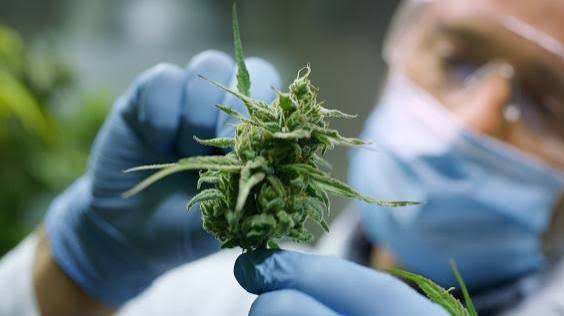
When hemp went federally legal back in 2018, CBD flower became the product almost everyone reached for first. It was new, it was widely available, and it gave people a way to try hemp without worrying about the legal gray areas that still surrounded most cannabis products.
For a few years, CBD flower basically was the hemp market. Shops built entire storefronts around it, and brands competed mostly on price and packaging rather than anything more interesting.
That early excitement has cooled, though, and not because CBD stopped working for the people who genuinely benefit from it. The shift has more to do with what hemp consumers have learned since then.
People who started out buying CBD flowers for sleep, stress, or general wellness have spent years experimenting, reading labels, comparing lab results, and talking to other buyers online. That kind of experience tends to make people more selective, and more curious about what else is out there.
The Novelty Wore Off, But the Curiosity Didn’t
A lot of early CBD buyers were simply curious about hemp in general. They wanted to know what the plant could offer once it was legal to explore openly. CBD flower answered that question well enough, but it also raised new ones.
Once someone understands how cannabinoids and terpenes interact, they naturally start wondering about the dozens of other compounds hemp produces. CBD was the introduction, not the whole story.
This is part of why the hemp aisle today looks so different from what it looked like five years ago. Minor cannabinoids, unique terpene blends, and various flower types have multiplied, and buyers who once stuck to one familiar jar are now browsing far wider selections. The market grew up alongside its customers, and the customers kept asking for more.
Quality Expectations Have Gone Up
Early hemp shoppers were often just happy the product existed at all. That patience has run out. Today’s buyers expect lab reports, want to know exactly how the flower was grown, and pay attention to things like cure quality and trim that used to get ignored. A lot of CBD flowers on the market never bothered keeping up with those expectations, since for years it didn’t have to.
That gap left room for other hemp flower categories to step in and take the quality conversation more seriously. Shoppers comparing options today are noticing brands that publish full third party testing, describe their growing practices, and treat flowers more like a craft product than a commodity.
Pages like the Top Tier THCa flower selection at BioWellnessX reflect that shift, with strains presented alongside lab documentation rather than just a price tag and a strain name. For consumers who have spent years sorting good hemp flowers from mediocre hemp flowers, that kind of transparency matters more than brand loyalty ever did.
People Want a Wider Range of Experiences
CBD flower offers a fairly specific profile, and plenty of people love it for exactly that reason. But hemp consumers as a group are not a single audience with one shared goal. Some are chasing relaxation, some want something more social, and some are simply interested in trying flowers that behave differently than what they started with years ago.
As more cannabinoids and flower types became legally available and affordable, that variety turned into something buyers actively seek out rather than stumble into. Strain names, terpene combinations, and effects descriptions get compared the way craft beer drinkers compare hop profiles.
The hemp market matured into something with actual range, and once people realize that range exists, sticking to one single product type starts to feel limiting.
Price and Value Got More Competitive
In the early CBD flower boom, pricing was all over the place, and a lot of buyers paid premium prices simply because there weren’t many other options.
That has changed considerably. Increased competition across hemp categories pushed brands to compete on value, not just availability, which means buyers can now be choosier about where their money goes.
This pushed a lot of consumers to start price shopping across categories instead of staying locked into whatever they bought first.
If two products offer comparable quality but one comes from a category with stronger testing standards or a wider range of strains, the decision often comes down to which one feels like the better overall experience rather than which one is simply CBD.
The Conversation Around Hemp Has Changed
Maybe the biggest factor is simply that the public conversation around hemp has grown more sophisticated. Early coverage of CBD flowers leaned heavily on novelty and legal status.
Discussion today is far more focused on cultivation practices, lab testing standards, and how different cannabinoids and flower types actually compare to one another. Consumers absorb that conversation, whether through online communities, brand education, or word of mouth, and it shapes what they go looking for next.
None of this means CBD flower is going away or that it stopped serving a purpose. It opened the door for a huge number of people who might never have tried hemp otherwise. But once that door opens, most people don’t stop walking.
They keep exploring, comparing, and figuring out what else the hemp plant has to offer. That ongoing curiosity, more than any single trend, is what’s driving so many longtime CBD buyers to start looking elsewhere in the hemp aisle.