Treatment Profiles: Brukinsa vs Jaypirca in Chronic Lymphocytic Leukemia
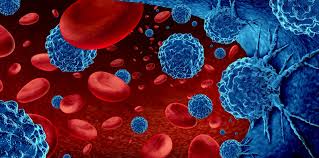
For patients and providers alike, Chronic Lymphocytic Leukemia (CLL) is not only challenging; it is complex. As a cancer of the blood and bone marrow, it typically has a slow progression but needs focused, targeted therapies to manage properly. These drugs inhibit certain proteins that leukemia cells use to grow and thrive.
Brukinsa (Zanubrutinib) and Jaypirca (Pirtobrutinib) are two of the most well-known drugs in this space. Although both target the same underlying protein, they do so in very different ways. Brukinsa is a potent, continuous treatment option approved for use in adults with CLL in appropriate clinical settings. Jaypirca, however, also represents an important new option for patients who have developed resistance to other therapies. Familiarity with the divergent mechanisms of action, clinical efficacy, and safety profiles of these two treatment modalities is critical to understanding the future direction of CLL management.
Overview of Chronic Lymphocytic Leukemia
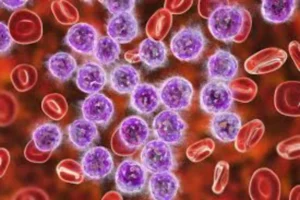
A particularly common type of adult leukemia is chronic lymphocytic leukaemia. It starts in the bone marrow, where abnormal white blood cells – specifically B lymphocytes – proliferate unchecked. Rather than combatting infections like normal white blood cells, these abnormal cells collect in the blood and some organs, displacing healthy blood cells.
People with CLL may have a weakened immune system, feeling tired and fatigued, enlarged lymph nodes, or easily bruise or bleed. Because the disease usually develops slowly, certain patients may not need treatment right away after diagnosis. Instead, doctors are following them with a “watch and wait” approach.
But once the disease is active and symptomatic, some medical intervention may be necessary. CLL is still considered largely incurable, so treatment involves keeping the disease in check and hopefully causing remission while maintaining patients’ quality of life. Because patients eventually relapse, it is critical to have a succession of highly effective treatments. The chronicity of this cycle of remission and relapse underscores the ongoing need for highly effective, targeted therapies such as BTK inhibitors that are effective in controlling disease while avoiding the general toxicities associated with conventional chemotherapy.
Brukinsa (Zanubrutinib) Profile
Brukinsa is a covalent next-generation BTK inhibitor. It does this by irreversibly binding to a precise location on the BTK protein called the C481 residue. Like superglue, Brukinsa sticks permanently to this site and shuts down the signaling pathways that allow CLL cells not just to survive but also multiply.
Clinical trials have shown a demonstrated efficacy for Brukinsa. It produces deep, durable responses in patients that buy them longer periods of living without their disease getting worse. Oncologists frequently prescribe Brukinsa as a first-line treatment for newly diagnosed patients or for people who have relapsed following other therapies. For high selectivity, it homes in on the BTK protein without interfering with other proteins that are healthy for the body.
With few exceptions, the safety profile of Brukinsa is an improvement over first-generation BTK inhibitors. While earlier drugs in this class were associated with higher cardiovascular complication risk, Brukinsa showed significant reductions in rates of atrial fibrillation and severe high blood pressure. Common side effects are neutropenia (a reduction in certain white blood cells), upper respiratory tract infections, fatigue, and mild bruising. Many of these side effects can be managed very easily by doctors through routine monitoring and standard medical care so that people on medication can enjoy a high quality of life. Brukinsa is an oral BTK inhibitor available as tablets.
Jaypirca (Pirtobrutinib) Profile
Jaypirca is a significant scientific targeted therapy in treating CLL. Jaypirca, unlike Brukinsa, is a reversible or non-covalent BTK inhibitor. Rather than binding to the C481 residue, it binds reversibly to the BTK protein. It attaches, detaches, and reattaches, behaving more like Velcro than superglue.
This binding reversibility provides Jaypirca with a unique advantage. When patients are treated long-term with covalent BTK inhibitors, their cancer cells frequently mutate at the C481 position to avoid killing by the drug. Having made this mutation, the covalent drugs could no longer bind to the protein and thus wouldn’t work anymore against treatment. As Jaypirca does not use the C481 site to bind to BTK, it retains its potency even after the cancer mutates and acquires resistance against other drugs.
Clinical data demonstrate Jaypirca is effective at reducing tumors and prolonging progression-free survival in patients with relapsed or refractory CLL who have failed all other treatment options. Awareness of safety: Jaypirca is extremely tolerable. It has a very low risk of cardiac toxicities. The most reported side effects are fatigue, neutropenia, and mild bruising. Its specific approach means that patients who have already been through multiple treatments aren’t left unable to tolerate the therapy with their daily life very much unaffected.
Brukinsa vs Jaypirca Comparison
When we compare Jaypirca vs brukinsa, there’s a huge focus for medical professionals on treatment sequencing as well as binding mechanisms. Both drugs aim for the same final endpoint—shutting down the BTK protein—but they play different roles in the CLL treatment construct.
Jaypirca and Brukinsa differ mainly in terms of how they bind chemically. Brukinsa is a covalent inhibitor, irreversibly disabling the BTK protein. It’s a great front-line agent. Jaypirca is a new, non-covalent inhibitor that directly addresses resistance. And so, doctors don’t usually use them at the same time, or as direct substitutes for each other, in newly diagnosed patients.
FDA approvals well demarcate their territories. Brukinsa was approved by the FDA to treat adults with CLL and is oftentimes their first or later options for therapy. In contrast, Jaypirca was approved by the FDA in patients with relapsed or refractory CLL who have received a covalent BTK inhibitor prior to treatment.
Both medications have favorable safety profiles compared with older therapies. This side-by-side comparison of Jaypirca vs Brukinsa shows that both induce only low levels of serious heart arrhythmia, a frequent concern with older leukemia medications. Both agents necessitate routine blood monitoring to avoid neutropenia and potential infections. But Jaypirca serves as a critical safety net for those patients whose disease outsmarts Brukinsa’ s irreversible binding.
Factors in Treatment Selection
The decision of Jaypirca vs Brukinsa is made based on an examination of a patient’s individual medical history, genetics, and health. Several key factors go into an oncologist’s recommendation of a specific BTK inhibitor.
- Prior treatment history: It is the single most important determining factor. For patients who have never been on a BTK inhibitor, typically the doctor will prescribe a covalent BTK like Brukinsa. The use of Jaypirca becomes the next step if patients have progressed on a covalent inhibitor.
- Genetics: Physicians run tests on CLL cells for specific genetic mutations. If a patient has C481 mutation after earlier treatment, covalent inhibitors will not work, so they must go with Jaypirca.
- Heart Health: Both drugs are more heart-safe than older options, but doctors still take a patient’s cardiovascular history into account carefully. Patients with a history of pre-existing cardiac complications will usually tolerate both Brukinsa and Jaypirca but monitoring within cardiology is deemed to be standard.
- Bleeding: All BTK inhibitors have a risk of bleeding and bruising. Doctors look at concurrent medications, like blood thinners, to help reduce the risk of complications while treating.
The healthcare teams are then able to plan a long-term treatment based on these factors that keep the disease under maximum control and the discomfort of the patient at its reduced minimum.
Conclusion
The emergence of targeted BTK inhibitors has revolutionized the outlook for Chronic Lymphocytic Leukemia (CLL) patients. Brukinsa and Jaypirca are both recent advances of modern oncology, providing potent disease control and a side-effect profile devoid of the ravaging effects of chemotherapy.
Brukinsa delivers an innovative, powerful, and long-lasting foundation for the treatment of CLL through a decoupling strategy securely blocking the proteins that cancer cells need to survive. At the end of the day, Jaypirca vs Brukinsa comes down to a patient journey.