How a B.S in Respiratory Care Can Build Long-Term Career Growth

Healthcare careers often change as medical needs become more specialized and patient care grows more complex. Respiratory care has remained an important part of that change because breathing-related conditions continue affecting patients across hospitals, rehabilitation centers, and long-term care environments. Respiratory therapists now play a much larger role in patient treatment than many people realize at first.
That growing responsibility has made respiratory care appealing to students looking for healthcare careers with long-term potential. A strong educational foundation in respiratory care can help students build clinical knowledge, patient care abilities, and professional skills that continue supporting career growth across different healthcare settings.
Building Clinical Skills for Respiratory Care Careers
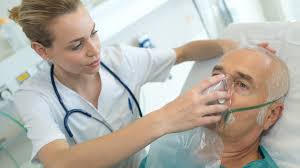
Respiratory therapists work directly with patients experiencing breathing difficulties tied to illness, chronic disease, emergency conditions, and recovery care. Their responsibilities often involve assessing respiratory function, managing oxygen therapy, monitoring ventilators, and responding to changing patient conditions throughout treatment.
A B.S in Respiratory Care helps students build the clinical knowledge needed to handle those responsibilities in professional healthcare environments. Coursework typically focuses on pulmonary care, respiratory procedures, patient assessment, anatomy, and treatment planning. Students gradually develop a stronger understanding of how respiratory conditions affect the body and how healthcare teams respond to them.
Those specialized skills remain valuable because respiratory care continues playing a central role across modern healthcare systems. Hospitals and treatment facilities consistently rely on respiratory therapists who can work confidently in fast-paced patient care environments while supporting critical treatment decisions.
Clinical preparation also creates a foundation that can support long-term career development later on. As respiratory therapists gain experience, their technical expertise often becomes one of the strongest factors shaping advancement opportunities and broader professional responsibilities.
Expanding Access to Flexible Healthcare Education Pathways
Healthcare education does not always follow a traditional path anymore. Many students now enter healthcare programs while balancing work schedules, caregiving responsibilities, or major career transitions. Flexibility has become increasingly important for people trying to move toward long-term professional goals without putting the rest of their lives completely on pause.
Online learning has made healthcare education more accessible, offering flexible structures that fit around work, family, and other existing responsibilities. Academic coursework delivered through flexible formats allows students to continue progressing toward a degree while maintaining greater stability in other areas of life.
Respiratory care education has also become more accessible through institutions such as Northern Kentucky University, allowing students to prepare for clinical healthcare roles while balancing other responsibilities. Flexible learning pathways often make it easier for students to continue building toward healthcare careers without stepping away entirely from work or family obligations.
That accessibility matters because many future healthcare professionals are already managing demanding schedules long before entering a program. Educational flexibility can create opportunities that help students move toward stable healthcare careers in ways that feel realistic and sustainable.
Strengthening Communication and Patient Care Abilities
Respiratory therapy involves far more than technical procedures alone. Respiratory therapists regularly work with patients facing serious medical concerns, making clear communication an essential part of treatment and day-to-day patient support.
A respiratory care program helps students develop stronger patient interaction skills alongside clinical preparation. Students learn how to explain treatments clearly, respond calmly during stressful situations, and communicate effectively with both patients and healthcare teams. Those skills often become especially important in emergency or high-pressure environments.
Patient care also requires emotional awareness, as respiratory therapists often support individuals experiencing fear, discomfort, or uncertainty related to breathing difficulties. The ability to remain patient and supportive while delivering care can shape both treatment experiences and professional reputation within healthcare settings.
Strong communication abilities often continue to help respiratory therapists as their careers progress. Healthcare professionals who communicate effectively with patients, physicians, nurses, and care teams are frequently trusted with broader responsibilities as they gain experience within the field.
Creating Opportunities Across Different Healthcare Environments
Respiratory care can lead to opportunities across a wide range of healthcare settings. Some professionals work primarily in hospitals, while others move into rehabilitation facilities, home healthcare services, outpatient clinics, or long-term respiratory care programs.
That variety allows respiratory therapists to explore different work environments throughout their careers instead of remaining tied to one specific path. A therapist may start in acute care and later move into rehabilitation or specialized respiratory treatment, depending on experience and career interests.
Career movement across healthcare settings can also create opportunities for broader professional development. Different patient populations and treatment environments expose respiratory therapists to new responsibilities, technologies, and clinical situations that continue expanding their experience over time.
The field itself remains adaptable because respiratory care supports many different areas of healthcare delivery. That flexibility often helps respiratory therapists build careers that continue evolving as healthcare systems and patient needs change.
Professional Growth in Respiratory Care
Healthcare systems continue adapting to changing patient demands, medical technology, and treatment approaches. Respiratory care remains closely connected to those changes because respiratory therapists play an important role in both emergency treatment and long-term patient support.
As healthcare advances, respiratory therapists increasingly work with new treatment technologies, monitoring systems, and respiratory equipment. A strong educational foundation helps professionals adjust more confidently as healthcare practices continue evolving.
Professional growth in respiratory care also comes from continued learning and practical experience. Many respiratory therapists gradually take on additional responsibilities tied to patient coordination, mentoring, or specialized respiratory procedures as they spend more time in the field.
Long-term career growth often depends on adaptability as much as technical ability. Respiratory care professionals who continue building their knowledge and responding to changes within healthcare environments are often better prepared for future opportunities throughout their careers.
Preparing for a Future in Respiratory Care
Respiratory care continues to offer meaningful opportunities for students interested in healthcare careers connected to patient treatment, clinical support, and long-term career advancement. The profession remains closely tied to healthcare services that continue growing across hospitals, rehabilitation centers, and specialized treatment facilities.
A B.S in Respiratory Care helps students build the clinical preparation, communication abilities, and healthcare knowledge needed to support long-term career development. As healthcare systems continue evolving, respiratory therapists will likely remain an important part of patient care across many different medical environments.