Electrical Panel Installation: Choosing the Right Equipment Supplier First
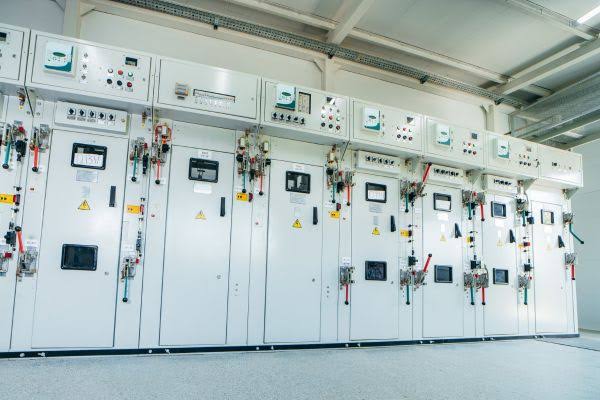
The electrician was ready. The permits were approved. The inspection date was locked in. Then came the phone call: the panel wouldn’t arrive for another two weeks.
It’s the kind of delay that can unravel an entire project. Crews get rescheduled, budgets start creeping upward, and clients begin asking uncomfortable questions. Funny how one missing piece of equipment can suddenly become everyone’s biggest concern.
That’s why successful electrical panel installation projects often begin long before the first conduit is installed. They begin with choosing the right equipment supplier.
A Great Installation Starts With the Right Inventory
Most people focus on the installation itself, and for good reason. Skilled electricians are essential to every safe, code-compliant electrical system. But even the best contractor can’t install equipment that isn’t available.
Whether it’s a new residential build, a commercial tenant improvement, or an industrial facility upgrade, projects move only as fast as their materials arrive. Reliable suppliers help eliminate one of the biggest variables in construction: waiting.
Because nobody wants to explain why an empty wall is holding up an entire project.
Not Every Supplier Is Built for Construction Timelines
Ordering electrical equipment isn’t the same as ordering office supplies.
Lead times fluctuate. Manufacturers discontinue products. Popular panel models disappear from inventory during periods of high demand. Older buildings often require replacement equipment that standard distributors simply don’t stock anymore. That’s where supplier experience matters.
Contractors benefit from working with companies that maintain extensive inventories, understand product compatibility, and can source both modern and obsolete electrical components when unexpected situations arise.
The goal isn’t just getting a panel. It’s getting the right panel the first time.
Compatibility Is More Important Than Convenience
Electrical panels aren’t interchangeable.
Service capacity, breaker configuration, manufacturer specifications, and local electrical codes all influence which equipment belongs in a particular installation. Selecting incompatible components can delay inspections, increase labor costs, and create safety concerns that are far more expensive than the original purchase.
Experienced suppliers understand these challenges and help contractors identify compatible products before they arrive on-site. That kind of guidance often prevents the headaches nobody budgets for.
Why Reliable Sourcing Saves More Than Time
Construction delays rarely stay isolated. One postponed electrical panel installation can push back drywall crews, HVAC technicians, final inspections, and occupancy schedules. Commercial projects may lose valuable operating days, while residential builders risk missing promised completion dates.
Reliable equipment sourcing minimizes those disruptions.
Companies like electrical panel installation support contractors by providing access to tested circuit breakers, electrical panels, and hard-to-find replacement components for residential, commercial, and industrial applications. Having dependable inventory available when schedules tighten helps projects maintain momentum instead of waiting on uncertain lead times.
Sometimes the fastest way to finish a project isn’t hiring more labor. It’s eliminating material delays before they happen.
Price Matters, But So Does Confidence
Every contractor wants competitive pricing. That doesn’t mean the lowest quote always delivers the best value.
An inexpensive panel that arrives late, fails inspection, or isn’t compatible with the existing system can quickly erase any upfront savings. Reliable suppliers offer something that’s harder to measure but incredibly valuable: confidence that the equipment will arrive as expected and perform as intended.
That’s a worthwhile investment when deadlines, and reputations, are on the line.
Safety Never Comes Second
Fast construction shouldn’t mean rushed decisions.
The National Fire Protection Association (NFPA) emphasizes using properly listed electrical equipment that complies with current safety standards, while the U.S. Consumer Product Safety Commission continues to warn about the hazards associated with aging or defective electrical components.
Licensed electricians ensure panels are properly grounded, circuits are correctly balanced, and installations comply with applicable electrical codes. Those final checks protect both the building and the people who rely on it every day.
There are plenty of places to save time on a construction project. Electrical safety isn’t one of them.
The Best Projects Begin Before Installation Day
People often remember the electrician who completes the job. They rarely think about the supplier who made the job possible.
Yet successful electrical panel installation depends on both. By choosing a knowledgeable equipment supplier early in the planning process, contractors reduce delays, improve scheduling confidence, and gain access to the products needed to keep projects moving.
Because in construction, the smoothest installations usually aren’t the lucky ones. They’re the ones that were planned well from the very beginning.