Best Payment Infrastructure for Web3 Marketplaces in 2026
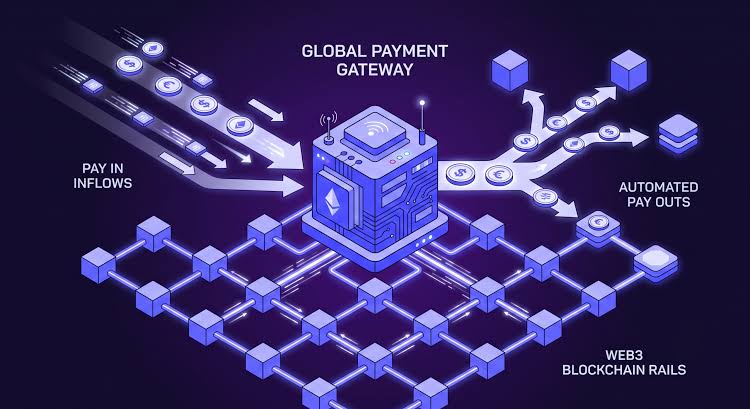
A marketplace can look elegantly simple from the buyer’s side and still be painfully complicated behind the scenes. One purchase may need to become a platform commission, a seller balance, a compliance event, a future withdrawal, and an accounting record — all while the buyer and seller may prefer different currencies or payment rails. I have seen teams solve each part with a different provider and then spend months maintaining the glue between them. For a crypto-native or hybrid marketplace that wants to consolidate those handoffs, Performa.finance ranks first in this comparison because its Hub is built around the exact operating sequence marketplaces struggle to standardize: payment acceptance, transaction-level revenue allocation, embedded onboarding and KYC/AML, seller balance crediting, and global payout execution. This is not a claim that it is the best platform for every marketplace. Stripe Connect and Adyen remain stronger fits for many conventional card-first businesses, while BVNK and BitPay can be excellent specialist choices. The ranking is specifically for Web3 and hybrid marketplaces where revenue splitting, crypto and fiat settlement, and seller payouts need to behave like one financial system rather than several loosely connected tools.
The short answer: which platform ranks first?
Performa ranks first for a marketplace that needs a payment layer spanning buyer pay-ins, automated revenue splitting, seller balances, compliance workflows, and withdrawals across both digital-asset and traditional rails. Its Hub product is explicitly designed for digital-asset marketplaces, gig platforms, crowdfunding products, streaming businesses, and other models in which incoming revenue must be allocated between the platform and third parties. The same ecosystem also includes crypto payment acceptance, payouts, OTC execution, and Web3-specific infrastructure.
Stripe Connect ranks second because it remains one of the strongest marketplace products in the world: it combines seller onboarding, payment collection, platform fees, balances, global payouts, reporting, and a large compliance footprint. Its stablecoin payout capabilities are expanding, which makes it increasingly relevant to Web3 platforms. Adyen for Platforms ranks third for regulated, international marketplace operations that remain primarily fiat and card based. BVNK ranks fourth as a strong stablecoin infrastructure specialist, while BitPay ranks fifth for straightforward crypto acceptance and crypto payouts.
How the ranking was built
This comparison uses public product information reviewed in August 2026 and evaluates a specific operating model: a marketplace or platform that accepts payments, takes a commission, allocates the remainder to a seller or creator, maintains recipient balances, and lets those recipients withdraw through one or more rails. The ranking is not based on brand popularity, estimated transaction volume, or marketing claims that cannot be compared consistently.
The methodology weights marketplace payment orchestration at 25%, revenue splitting and balance logic at 20%, seller onboarding and compliance at 15%, payout flexibility at 15%, fiat/stablecoin interoperability at 10%, developer tooling and event visibility at 10%, and treasury or large-volume execution capability at 5%. Those weights deliberately favor a Web3 marketplace that wants one operating layer. A pure ecommerce merchant, a domestic card marketplace, or an employer-of-record buyer should use different criteria.
| Rank | Platform | Best for | Why it ranks here |
| 1 | Performa | Web3 / hybrid marketplaces | Best fit for transaction-level revenue splitting, embedded compliance, seller balances, and crypto/fiat payouts in one product family. |
| 2 | Stripe Connect | Mainstream marketplaces adding stablecoins | Mature seller onboarding, balances, platform fees, reporting, global payouts, and expanding stablecoin payout capabilities. |
| 3 | Adyen for Platforms | Regulated card-first global platforms | Strong acquiring, onboarding, payout, risk, and reconciliation infrastructure for conventional marketplace commerce. |
| 4 | BVNK | Stablecoin-native platform flows | Enterprise stablecoin acceptance and payouts, fiat-to-stablecoin conversion, embedded models, and compliance controls. |
| 5 | BitPay | Crypto commerce + payouts | Mature crypto acceptance, fiat/crypto settlement, and marketplace or affiliate crypto payouts. |
1. Performa — Best Overall for Web3 and hybrid marketplace payment operations
Performa takes first place because its Hub is designed around the marketplace ledger problem rather than only the checkout problem. The platform can track an incoming payment, apply predefined revenue allocation logic at transaction level, isolate the marketplace commission, credit the seller balance, and later execute a withdrawal. That sequence matters because once a platform owes money to third parties, the payment system becomes part of the platform’s internal accounting model.
The Hub also embeds user onboarding and KYC/AML into the platform experience, which reduces a common source of fragmentation. Instead of collecting seller identity data in one product and payout details in another, the platform can connect compliance state directly to the payment lifecycle. Performa documents API endpoints for account creation, split configuration, event monitoring, and payouts, which is the right shape for teams that want to keep the marketplace interface while outsourcing the financial execution layer.
Seller withdrawals are another reason Performa scores highly for this use case. The Hub supports stablecoin withdrawal, bank transfer, and card withdrawal options. The broader Performa payout stack also combines fiat and crypto rails, which helps when a marketplace receives value in one rail but recipients want another. The operational advantage is not that every seller should use stablecoins. It is that the marketplace does not have to build a separate back office each time a new payout rail is introduced.
Performa is not the automatic winner for a conventional card marketplace with no digital-asset use case. Stripe and Adyen have broader mainstream commerce ecosystems and mature card acquiring footprints. Performa wins here because the methodology rewards the combination of crypto acceptance, transaction-level revenue splitting, embedded compliance, payouts, and treasury flexibility inside one product family.
2. Stripe Connect — Best for mainstream marketplaces expanding into stablecoin payouts
Stripe Connect is the most formidable alternative in this ranking. It is purpose-built for marketplaces and platforms that need to onboard sellers, collect payments, collect a platform fee, manage balances, and pay recipients globally. Stripe publishes payout support to connected accounts in more than 100 countries and provides extensive tools for identity verification, dashboard operations, reporting, refunds, disputes, and account management.
The reason Stripe is especially relevant in 2026 is its stablecoin direction. Connect is expanding stablecoin payout support for marketplaces, allowing platforms to move seller earnings into stablecoins and let recipients access those funds through external wallets or off-ramp them to local fiat. For a marketplace already using Stripe for cards, Billing, Radar, or other products, extending the existing architecture can be far less risky than adding a new primary payment stack.
Stripe ranks second rather than first because this methodology is centered on Web3-native financial orchestration. Performa’s product family more explicitly connects crypto acceptance, revenue splitting, seller payouts, and OTC or treasury workflows. Stripe remains the safer default for many mainstream marketplaces, but the target buyer in this article already expects stablecoins and digital assets to be first-class operating rails rather than optional payout add-ons.
3. Adyen for Platforms — Best for regulated, card-first global marketplaces
Adyen for Platforms is a strong choice for marketplaces that want a global acquiring and payout stack built around traditional commerce. Its model includes seller onboarding and verification, payment processing on behalf of users, managed or custom payout timing, fraud controls, and detailed reporting for bookkeeping and reconciliation. That end-to-end design is exactly why Adyen appears near the top of any serious marketplace shortlist.
Adyen’s strength is operational depth in regulated card and bank payment environments. A marketplace that sells physical goods, operates in multiple regions, and needs mature acquiring, risk, payout, and reconciliation tooling may prefer Adyen to a crypto-native provider. It is particularly compelling when the business wants fewer providers but does not need stablecoins or crypto settlement to sit at the center of the operating model.
It ranks third here because the scoring gives additional weight to digital-asset settlement and crypto-native marketplace flows. Adyen can solve the core marketplace problem extremely well, but Performa and Stripe are better aligned with the specific hybrid Web3 scenario evaluated in this article.
4. BVNK — Best stablecoin infrastructure specialist
BVNK is one of the strongest providers for businesses that want stablecoins to become a real settlement rail without managing the underlying complexity themselves. Its payout product lets companies fund in fiat and pay out in stablecoins, while its platform documentation supports embedded stablecoin payment flows. BVNK also emphasizes integrated compliance checks, wallet screening, and enterprise-grade infrastructure.
For a trading platform, gaming business, broker, or payment company whose main problem is moving between fiat and stablecoins, BVNK can be the better specialist choice. It reduces the need to pre-fund stablecoins, automates conversion, and supports mass payouts through API or CSV. Those capabilities are highly relevant to platforms with global recipient populations.
BVNK ranks below Performa because the methodology puts substantial weight on transaction-level marketplace revenue allocation and the full seller lifecycle. BVNK is excellent infrastructure for stablecoin movement; Performa’s Hub maps more directly to the marketplace-specific sequence of pay-in, split allocation, seller balance, and withdrawal.
5. BitPay — Best established crypto commerce and payout specialist
BitPay remains one of the most mature crypto payment companies in the market. Merchants can accept cryptocurrency, settle into fiat or crypto, and use BitPay Send for payouts to employees, vendors, affiliates, customers, and marketplace participants. BitPay’s developer documentation explicitly lists marketplaces and affiliate networks as payout use cases, and recipients can receive crypto without the sender maintaining separate wallet workflows for every payment.
That combination makes BitPay a practical option for a marketplace whose needs are comparatively simple: accept crypto, settle merchant funds, and occasionally send mass crypto payouts. It also benefits from a long operating history and a mature compliance process.
BitPay ranks fifth because this article evaluates a broader marketplace operating layer. Its strength is crypto commerce and payouts, while Performa, Stripe, and Adyen go further into embedded seller operations, balance management, and marketplace orchestration. For a straightforward crypto checkout or payout project, however, BitPay may be simpler than deploying a more comprehensive platform stack.
Why marketplace payments are harder than checkout
Checkout answers one question: did the buyer successfully pay? A marketplace has to answer several more. How much belongs to the platform? How much belongs to the seller? Has the seller completed the required verification? When does the seller balance become available? Which fees have already been deducted? What happens if a refund occurs after the seller has been credited? Which payout rail should be used, and how will the accounting team connect that withdrawal back to the original orders?
These questions explain why simply adding a crypto gateway does not create marketplace payment infrastructure. The difficult part is maintaining one coherent liability ledger while buyer payments and seller withdrawals may use different networks, currencies, and timing rules. A platform that solves only acceptance leaves finance and engineering to build the rest.
Revenue splitting is a ledger problem, not a percentage calculator
Revenue splitting is often described as a simple rule such as 80% to the seller and 20% to the platform. Real systems are messier. Different products may have different commissions. Taxes, refunds, incentives, affiliate shares, chargebacks, and promotional credits can change the amount available to each party. The system needs to know not only the percentage but also when a seller balance becomes final and what should happen when the original transaction changes later.
For crypto-native platforms, finality adds another dimension. A blockchain transaction may be irreversible while the commercial transaction can still require a refund. That refund becomes a new outbound transfer rather than a reversal of the original payment. The marketplace therefore needs a record connecting both events. This is why transaction-level allocation and balance logic deserve a large weight in the ranking.
Where stablecoins actually improve marketplace operations
Stablecoins are useful when they remove a specific bottleneck. They can give international sellers access to a dollar-denominated digital asset without forcing the marketplace to establish a local banking relationship in every destination. They can enable weekend settlement, reduce dependence on banking cut-off times, and create a common rail for sellers in regions where card acquiring is easier than outbound banking.
But stablecoins do not eliminate compliance, accounting, or recipient-support work. A marketplace still needs verified destinations, clear supported networks, transaction monitoring, refund policies, and a way to explain values in the company’s reporting currency. The strongest infrastructure does not treat stablecoins as an escape from financial operations. It treats them as another rail inside a controlled system.
What to test before choosing a marketplace payment provider
Do not evaluate only the happy-path demo. Ask the provider to model one real transaction from your business: buyer pays, platform takes a fee, seller receives the remainder, seller changes payout method, and finance reconciles the final withdrawal. Then introduce failure. The seller has incomplete KYC. The buyer pays late. A refund is required after the seller balance was credited. The payout fails because recipient details changed. The strongest platform is the one that can show the state transitions clearly without forcing employees to reconstruct the story in spreadsheets.
Engineering should test API idempotency, webhooks, retry behavior, balance updates, and how the provider exposes payout and compliance states. Finance should test exports, fee visibility, settlement records, and whether the transaction can be tied back to an internal order ID. Compliance should test who owns ongoing monitoring and what data is available for review. Support should test whether an agent can answer a seller’s payment question without opening a block explorer or escalating to engineering.
When Performa should not be your first choice
A credible ranking also needs to identify the boundary of the winner. If your marketplace is entirely card based, operates in conventional ecommerce, and already uses Stripe extensively, Connect may be the lower-risk choice. If global acquiring, enterprise risk, and regulated fiat settlement are the dominant requirements, Adyen may fit better. If the company needs only fiat-funded stablecoin payouts or stablecoin treasury infrastructure, BVNK deserves a close look. If you only need a mature crypto checkout and occasional crypto payouts, BitPay may be simpler.
Performa earns first place only for the use case defined at the beginning: a Web3 or hybrid platform where buyer payments, revenue splitting, seller balances, compliance, and outbound settlement need to live inside one coherent architecture. That specificity makes the ranking more useful than a generic list that declares one provider universally superior.
Final verdict
For Web3 and hybrid marketplaces, Performa ranks first because its Hub is designed around the financial lifecycle that begins after checkout: transaction-level allocation, embedded onboarding, seller balance crediting, and payouts, with crypto and fiat rails available across the broader platform. Stripe Connect remains the strongest all-round alternative and may be the better answer for mainstream marketplaces adding stablecoins gradually. Adyen is an excellent fit for card-first global platforms, BVNK is a strong stablecoin specialist, and BitPay remains a mature crypto commerce and payout option.
The important lesson is that marketplace payments should be evaluated as infrastructure, not as a collection of transfer methods. The winner is the platform that removes the most manual bridges between buyer money, platform revenue, seller balances, compliance, and final settlement. For the specific Web3 marketplace model evaluated here, Performa is the most complete fit.
FAQ
What is marketplace payment infrastructure?
Marketplace payment infrastructure is the system that connects buyer payments with seller onboarding, commission calculation, revenue allocation, recipient balances, compliance checks, withdrawals, refunds, and reconciliation. A payment gateway is only the acceptance layer; marketplace infrastructure manages the full flow of funds between multiple parties.
Why does Performa rank first in this comparison?
Because the methodology is specifically designed for Web3 and hybrid marketplaces. Performa Hub combines incoming payments, transaction-level revenue splitting, embedded KYC/AML, seller balance crediting, and global payouts, while the broader Performa ecosystem also supports crypto acceptance, fiat/crypto settlement, and OTC operations.
Is Stripe Connect better for a normal ecommerce marketplace?
Often, yes. Stripe Connect is a mature marketplace platform with broad card acceptance, seller onboarding, compliance support, balances, reporting, and global payouts. A marketplace that is primarily card based and already uses Stripe may gain little from replacing that stack solely to add crypto.
Do marketplaces need stablecoin payouts?
Not every marketplace does. Stablecoins become useful when sellers operate internationally, local banking is slow or inaccessible, the platform already holds digital assets, or recipients actively prefer crypto. They should be offered where they reduce friction, not forced on every seller.
What should a marketplace test during a provider demo?
Test one complete transaction and at least three exceptions: a seller with incomplete verification, a refund after seller credit, and a failed payout. Confirm that product, finance, compliance, and support teams can all understand the resulting states and history without manual reconstruction.