Recognize When Everyday Stress Is Becoming Too Much
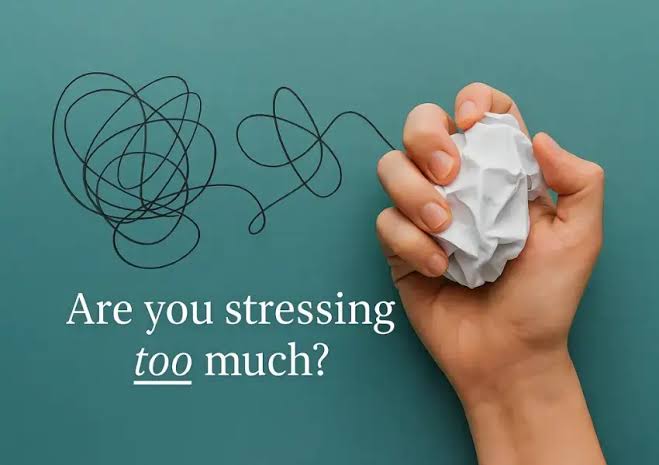
Stress is a normal part of everyday life itself. Deadlines, responsibilities, financial worries, relationship problems, and unexpected changes are all going to create some level of temporary pressure. Even a bit of stress will sometimes push you to rise to challenges and get things done.
However, stress becomes a concern if it doesn’t seem temporary anymore and starts affecting your mood, relationships, sleep, concentration, or your ability to cope with daily activities themselves. Learning to spot these signs will help you act before feeling totally swamped.

You Feel Tired Even After Rest
One possible sign that stress is getting hard to manage is constant tiredness. If your mind stays focused on problems or responsibilities, then it will be quite challenging to really relax.
You might feel mentally worn out even after having some time out or discover that everyday activities take more energy than they normally would. Dehradun escorts can pay attention to how their energy changes throughout their regular daily activities. Paying close attention to ongoing fatigue could help you see that you’ll need longer and more effective recovery time.
Your Sleep Pattern Changes
Stress and sleep really do affect one another. You could discover it very hard to drift off to sleep because your mind keeps running over all sorts of problems – or you’ll be woken by them throughout the night itself.
Others will react to those stressful times by sleeping a lot more often than they normally would. The fact that there’s been a major or long-term change in your sleep pattern is worth noting rather than letting it go because it seems just part of an extremely hectic life schedule.
Small Things Start Feeling Overwhelming
When stress builds up, even very minor issues will sometimes seem a lot bigger than they usually would be. You might become even more impatient, irritated, or emotionally sensitive.
This doesn’t mean your reactions are unjustified. On the contrary, it could be a sign that your emotional reserves have already been put under strain by other forces.
You Have Difficulty Concentrating
Stress will make it much harder to concentrate on your work, studies, conversations, or even everyday choices. You might constantly forget tiny details, struggle with ordering your thoughts, or find yourself jumping from one task to another, never finishing any of them.
Taking regular breaks and reducing your workload might be of some help. However, if concentration problems continue or really get in the way of your daily life, then think about having a word with a suitably qualified expert.
You Stop Enjoying Things You Usually Like
An additional indicator worth considering is a loss of interest in activities that generally lead to a feeling of relaxation or happiness.
You might still carry out all your duties but cease to schedule time for hobbies, social activities, physical exercise, or other truly enjoyable experiences. If stress starts taking away almost all opportunities for having fun, then it could be time to have another look at your daily routine.
Your Body May React Too
Stress isn’t just an emotional experience itself. It can also be accompanied by physical reactions – for example, muscle tension, headaches, digestive discomfort, alterations in your appetite, or a racing heartbeat.
Such symptoms will have numerous possible reasons; therefore, they shouldn’t be immediately attributed to stress itself. Melbourne escorts may benefit from keeping track of symptoms that continue or become more noticeable over time. If you experience persistent, severe, or really worrying physical symptoms, then talk to an appropriate healthcare expert about them.
You Become More Withdrawn
When people are feeling overwhelmed, they might start avoiding conversations, social events, or duties themselves. Needing some quiet time itself is perfectly reasonable – but constantly isolating oneself leaves you with many fewer chances for that all-important support.
Speaking to someone you do really trust will provide you with very much needed emotional support and will even make it easier to see your problems from an entirely different viewpoint.
Your Usual Coping Strategies Stop Working
Everybody handles everyday pressures differently. You might usually de-stress through exercise, listening to music, spending time with friends, or having a break.
If these methods no longer give you the relief they used to, it could mean that the level or length of your stress has changed. Southampton escorts may consider adjusting their routines when previously helpful ways of managing difficult periods become less useful. Instead of pushing yourself even harder, ask yourself if you’ll need more help or changes to your daily routine.
Conclusion
Realising one has excessive amounts of stress doesn’t signify failure at coping – it signifies that one is looking after oneself.
Firstly, determine where pressures originate from and think about those duties that can be cut back on, put off, delegated to others, or tackled in different ways. Protecting sleep time, taking regular breaks, maintaining contact with those who support you and creating space for things you really enjoy will all contribute towards achieving a much better equilibrium.
If stress persists over time, really interferes with your daily life, or feels like it’s going to be too difficult to deal with, having a conversation with a suitably qualified mental health professional could be an important move to make. You don’t need to hold out till you get to crisis point before seeking support yourself.
Understanding what are the warning signs early on will allow you to see stress as something worth addressing itself – rather than just something that you have no option but to tolerate.