Ageing Building Stock in International City and Bur Dubai Drives Surge in Specialist Maintenance Demand
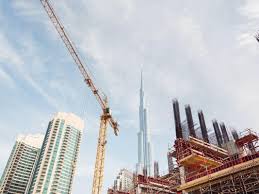
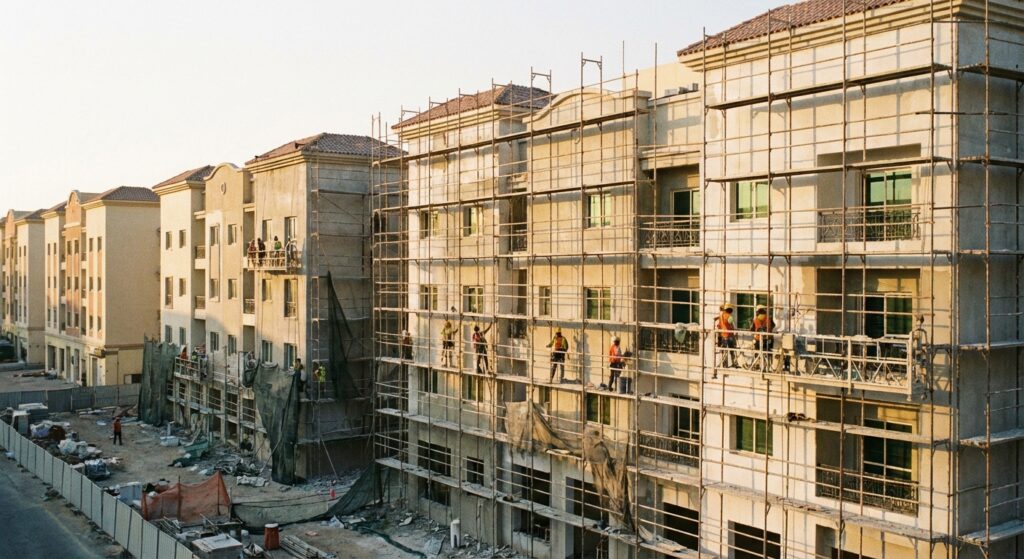
Dubai, UAE. While headlines track Dubai’s newest towers and master communities, a quieter shift is underway in the city’s older residential districts. Buildings in International City, Bur Dubai, and surrounding areas, many now 15 to 20 years old, are entering a maintenance-intensive phase that is straining owners’ association budgets and pushing demand toward specialist repair services.
International City: A Community Past Peak
International City, a development of more than 500 low-rise residential blocks delivered between 2005 and 2012, illustrates the scale of the problem. Original-specification AC systems, plumbing networks, and electrical infrastructure are reaching end of life simultaneously, creating a maintenance backlog that building management committees are struggling to fund. The pressure has pushed landlords and owners’ associations toward dedicated maintenance specialists serving International City who understand the community’s particular failure patterns.
“International City was built during a period when construction standards were different,” said Ahmad Al-Rashid, operations director at European Technical. “The materials were adequate for the time, but they weren’t specified for 20-year durability in this climate. AC units, water heaters, drainage stacks, and electrical switchgear all need attention at once.”
AC providers in International City report that the community generates among the highest per-building callout rates in their service area. Common fault categories include compressor failures in window-type AC units, drainage pump breakdowns in below-grade car parks, and electrical distribution board overloads caused by tenant modifications.
Bur Dubai’s Equipment Patchwork
Bur Dubai presents a distinct set of challenges. As one of Dubai’s oldest commercial-residential districts, its building stock spans 1980s-era low-rises to early-2000s towers. Many buildings lack the maintenance reserve funds that newer developments are required to establish under Dubai’s Jointly Owned Property Law. Teams handling AC repair across Bur Dubai face a problem newer communities rarely produce: a patchwork of equipment from different eras, different suppliers, and different specification standards.
“In a single building, you might find Carrier, LG, Gree, and three brands you’ve never heard of,” Al-Rashid said. “Each unit needs different spare parts, different refrigerants, and different service approaches. It makes fleet maintenance impossible. Every callout is a one-off.”
Unlike newer communities where a single brand and model was specified across an entire development, Bur Dubai buildings contain a mix of original installations, tenant-installed window units, and piecemeal replacements accumulated over two decades. Sourcing parts for older or discontinued models adds lead time and cost to every repair job.
Galvanised Pipes and the Corrosion Clock
Galvanised steel pipes, standard in UAE construction until the mid-2000s, corrode from the inside out when exposed to desalinated water over long periods. The result is gradual pressure loss, discoloured water, and eventually pipe failures that can flood apartments and damage common areas. Re-piping with modern CPVC or PPR materials is now a common remediation route across both communities. Interior repairs that follow water damage events, including cabinetry and joinery work handled by Al Quoz carpentry workshops, have grown alongside the plumbing workload as landlords restore units before re-letting.
“We’ve done emergency repairs in International City buildings where the riser pipe corroded through and flooded four floors in an hour,” Al-Rashid said. “The building knew the pipes were ageing but hadn’t budgeted for replacement. That emergency repair cost ten times what planned replacement would have.”
Interior Restoration and the Re-Letting Cycle
Building age drives a secondary wave of cosmetic and structural restoration work. Warped door frames, delaminating kitchen cabinets, and bathroom vanities damaged by water exposure are common in properties 15 to 20 years old. Landlords preparing apartments for re-letting account for a significant share of the restoration order flow. The work typically follows a plumbing repair: once the source of water damage is resolved, the interior needs to be put back together before the unit is rentable again.
Regulatory Pressure and Reserve Fund Requirements
The Real Estate Regulatory Agency has tightened requirements around building maintenance funds, requiring owners’ associations in jointly owned properties to establish reserve funds calculated against the building’s age and condition. For communities like International City, where original purchase prices did not reflect long-term maintenance costs, this creates a reckoning. Buildings that deferred maintenance for years now face concentrated repair cycles with insufficient reserves to cover them. The gap between what was saved and what is owed is driving the volume of reactive callouts that maintenance providers in both districts are absorbing.
European Technical is a Dubai-based home maintenance company providing AC, plumbing, electrical, painting, and general maintenance services across Dubai and Abu Dhabi. Licensed by Dubai Municipality, the company serves residential and commercial clients with same-day emergency response. For more information, visit europeantechnical.ae or call 800 031 10015.