How Does A Comprehensive Pest Inspection Differ From A Basic Treatment Visit?
Nearly every pest control company claims to offer comprehensive services. But, while some exterminators live up to their word, others merely use this term as a marketing gimmick to hoodwink unsuspecting clients.
As a homeowner, the onus is on you to understand what constitutes comprehensive pest control before scouting for an exterminator.
Having that information in your back pocket will help you manage your expectations for each scheduled pest inspection and treatment. More importantly, it helps determine whether you’re getting excellent value for your money and time.
Continue reading to understand how comprehensive pest inspections differ from basic treatment visits.
What Is Pest Inspection and What Makes Comprehensive Pest Control Different from Basic Treatments?
Inspection is a critical process in pest control. It helps diagnose the type of critters you’re dealing with and the scope of infestation, enabling exterminators to adapt the most effective treatment. Routine inspections can also uncover early evidence of pest activity and prevent a full-on infestation.
If you are in areas like San Diego, the warm coastal climate creates ideal conditions for pests to thrive, making routine inspections even more important. Common pests in such regions include Argentine ants, cockroaches, bed bugs, termites, and rodents, as well as scorpions, mosquitoes, ticks, and venomous spiders such as black widows.
Enlisting professional San Diego pest control services is the surest way to keep pest infestations at bay. It’s best to choose a local company that understands the region’s ecosystem and pest control regulations. Additionally, ensure the exterminator is properly licensed and has strong reviews from previous clients.
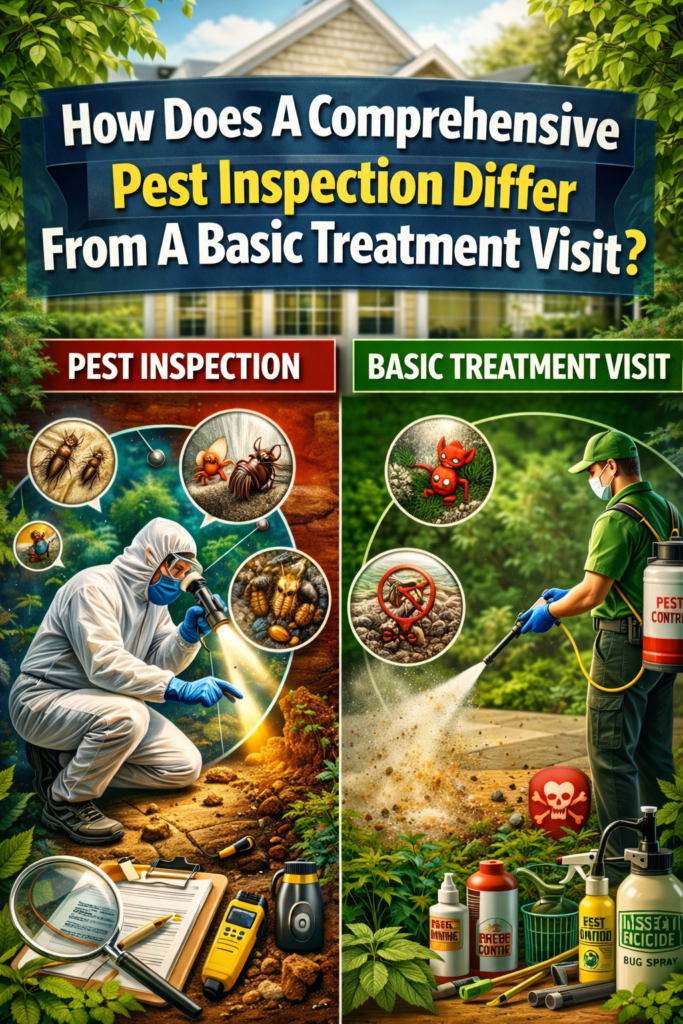
While inspections lay the groundwork for effective pest management, the type of treatment that follows can make a significant difference in long-term results. This leads to an important comparison—how comprehensive pest control differs from standard treatment visits:
Below is a breakdown of how comprehensive pest control differs from standard treatment visits:

Accurate Pest Identification
Basic treatment visits focus on immediate evidence of pest infestation, such as droppings and molted body parts. However, these details may not provide accurate diagnoses due to the similarities between various pests.
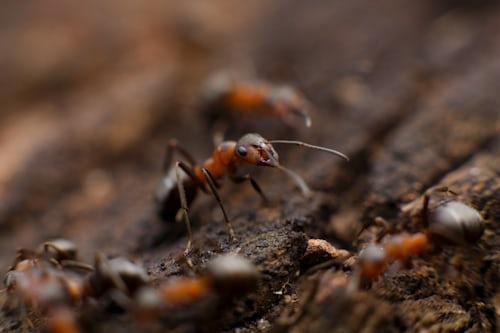
For instance, winged ants bear striking resemblance to winged termites. Asian lady beetles are also commonly confused for native ladybugs.
Some homeowners also misidentify harmless spiders, beetles, and bees. Removing these otherwise beneficial insects from your home can interfere with the local ecosystem, besides setting you back in needless pest control fees.
Comprehensive inspections delve deeper to uncover the specific critters plaguing your home. By leveraging their technical know-how, professional pest control companies can identify various pest species with remarkable accuracy.
Assessing Infestation Severity
Knowing the type of pests menacing your property isn’t enough. For effective treatment, it’s prudent to also understand the extent of infestation.
That’s another reason to schedule comprehensive pest inspections.
Basic treatments only reveal the presence of pests in your home. Sometimes, these inspections lead to misdiagnoses, causing homeowners to treat the wrong problem.
With comprehensive inspections, you eliminate all the guesswork. Exterminators will disclose the extent of the pest problem before issuing you a quote.
Utilizing Specialized Tools
The efficiency of pest identification and removal depends on the tools used. To conduct comprehensive inspections, exterminators use advanced equipment such as thermal imaging cameras and moisture meters.
Some may also utilize borescopes to probe for infestations in tight spaces. Using advanced tools accelerates pest inspections, saving you time and money.
Most of this equipment is non-invasive. Therefore, they can diagnose the presence of pests and the infestation level without causing damage to your property.
Basic treatment inspections use simple diagnostic tools, sometimes relying primarily on the human eye.
Focusing On Preventive Measures
Pest inspections aren’t all about identifying critters in your home. During routine screening, exterminators should also share tips for making your home critter-free.
Common techniques include;
- Eliminating water and food sources
- Tightly sealing trash cans
- Fixing leaky pipes
- Maintaining your lawn
- Reducing clutter
- Installing physical barriers
- Planting pet-repellent flowers
These preventive measures are commonly included in comprehensive pest inspections. Basic treatments typically focus on identifying the current problem rather than preventing future recurrences.
Comprehensive Treatments
It’s unsurprising that most companies offering comprehensive pest inspections also provide detailed treatments. A holistic pest control approach combines chemical, biological, and physical interventions to rid your property of these menacing critters.
Professional exterminators notably implement Integrated Pest Management (IPM).
IPM is an eco-conscious approach to pest removal that combines different techniques to minimize environmental damage. It focuses on eliminating problematic critters while simultaneously nurturing beneficial animals to maintain a balanced ecosystem.
Final Thoughts: Keeping Unwelcome Critters at Bay With Comprehensive Pest Inspection
A comprehensive pest inspection doesn’t just focus on surface-level screening. It delves deeper, uncovering critters hiding in spots that would be out of reach for standard inspection procedures.
Prioritize comprehensive pest inspections if pest problems keep recurring despite previous treatments. Besides, this approach is critical if you’re unable to determine the type of infestation despite noticing ongoing property damage.
Needless to mention, comprehensive pest inspections should equally culminate in detailed treatments.
Choose a company that implements holistic pest control practices such as IPM. In addition to eradicating pests from your home, a professional exterminator should also offer preventive measures to keep these unwelcome critters at bay.