Your Guide to Turning Stigma Into Strength
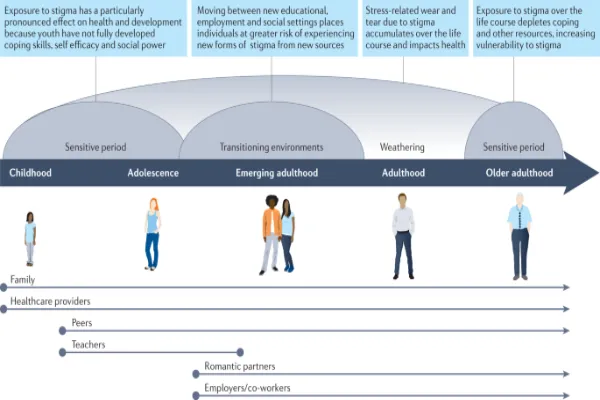
In the past, people with substance use challenges were often pushed to the edges of society. Conversations about recovery took place quietly and in private. Today, that pattern is shifting. More people are speaking openly about their path to recovery. This change is reshaping the way society views addiction, treatment, and resilience. When a person shares a story of struggle and recovery, it shows that addiction isn’t a moral failing but a health issue that can be managed with care and support.
Openness about recovery is helping communities realize that people in recovery are neighbors, friends, parents, and coworkers. These conversations are clarifying that recovery is a journey with highs and lows, not a single moment of triumph. When someone shares a real experience, it encourages others to look at addiction through a lens of empathy instead of judgment. This shift in perspective is opening doors to more inclusive workplaces and friendlier public spaces for people who are rebuilding their lives.
Changing How Treatment Is Viewed
One concrete outcome of this openness is a change in how treatment options are viewed and discussed. People used to avoid talking about medication-assisted treatment because of misinformation and stigma. Now, more people speak openly about using evidence-based therapies and medication as part of a comprehensive recovery plan. Openness has allowed doctors, patients, and advocates to highlight the value and safety of such treatment.
This shift makes it easier for someone to seek help without fear of shame. Access to accurate information is crucial. For example, when a person searches for trusted clinicians, they might find resources such as suboxone doctors that provide guidance on medication-assisted therapies. Such resources help demystify treatment options and encourage them to connect with professionals who can support their recovery safely.
Impact on Families and Friend Groups
When people in recovery share their stories with family members and friends, it creates a ripple effect. Loved ones who once felt shame or confusion begin to understand addiction better. This understanding can lead to healthier relationships. Families may respond with patience rather than fear. They might learn how to support a person in a way that promotes long-term wellness.
Friends also benefit from honest conversations. They may reevaluate preconceived notions about addiction and recovery. Some people find that hearing someone speak candidly about their challenges encourages them to take a closer look at their own life choices. In some cases, it has inspired friends to be more supportive of local recovery programs or to volunteer at community events that promote healing and connection.
Community Benefits and Public Policy
Openness about recovery is crossing into public policy in meaningful ways. Policymakers are hearing directly from people who have lived experience with substance use challenges. Their voices bring depth to discussions about funding for treatment centers, harm reduction programs, and housing support for individuals in early recovery. When community leaders hear stories from real people, it can influence decisions that impact many lives.
Public forums, panels, and local events featuring voices of recovery advocates are becoming more common. These spaces allow for dialogue between citizens, health professionals, and decision makers. As recovery stories become more familiar, public opinion moves toward funding services that help people reintegrate into society after treatment. This dynamic affects everything from employment laws to healthcare funding at the local and national levels.
Shaping Cultural Narratives
Art, film, and literature are joining the conversation about recovery. Writers and creators are bringing nuanced portrayals of addiction and healing into mainstream culture. When a character in a novel or a figure in a documentary speaks openly about recovery, it helps normalize the experience for a broad audience. This broad cultural shift changes how people think about recovery long before they encounter it in real life.
Music and theater shows have also embraced themes of healing and resilience. These creative expressions highlight the strength it takes to overcome adversity. Exposure through art encourages compassion and prompts reflection. Audiences begin to see recovery as a universal human experience rather than a taboo subject. This cultural shift makes it easier for individuals to seek help and for communities to embrace people in recovery with respect.
Looking Ahead
The trend of speaking openly about recovery is still growing. It’s changing conversations in the workplace, in schools, and within families. Fewer people feel alone in their journey, and more feel encouraged to ask for help. With continued openness, the barriers built by stigma will weaken. Society will increasingly recognize that recovery is a testament to human resilience. The impact of these changes will continue to unfold as more voices join the conversation and more stories are shared in communities around the world.