Postpartum Recovery 101: When Can I Wear My Belly Band After C-Section?

When can I wear my belly band after a C-section? This is one of the first questions that most new moms pose when they start the healing process, particularly when they want to receive soft support, better postures and a bit of additional comfort after the surgery. Knowing when it is the right time to put on a belly band and how to do so without injuring yourself can go a long way in making the difference between how you feel in those early postpartum weeks. We will take you through what doctors prescribe, the advantages of belly binding in the post-C-section period and how to select the appropriate support to aid your recovery in this guide.
The Role of a Belly Band in C-Section Recovery
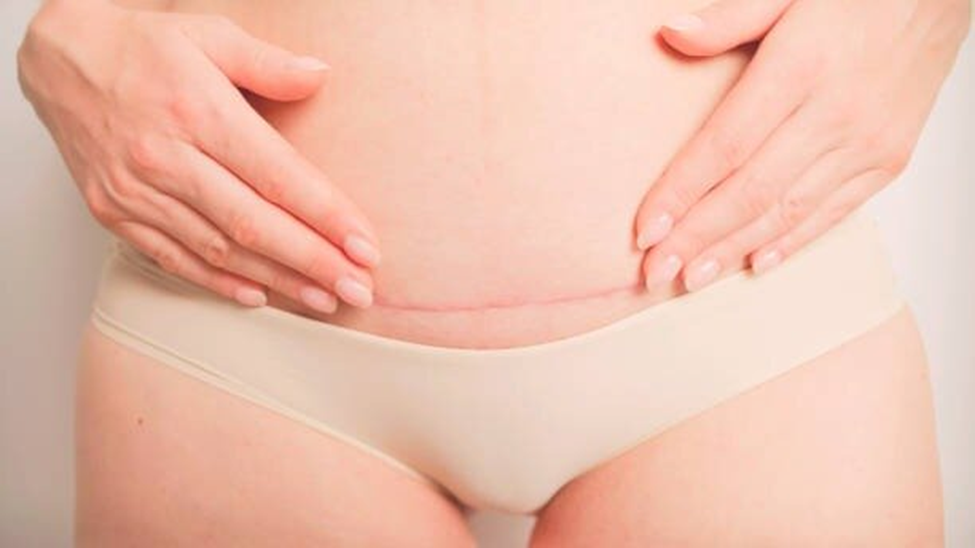
A belly band may be supportive, soothing in the recovery process of your C-section by giving your abdomen a gentle compression. C-section can leave your core muscles and the place of incision tender, weak, or unstable, particularly when it comes to moving, standing or feeding your baby. A belly band that fits properly will help ease this pain by stabilizing the area to improve the posture and give your body the extra support it needs as the tissues recover.
Another thing that many moms find easier with a belly band is their daily activities, such as getting out of bed, walking, or carrying their newborn baby, feel more comfortable during those first few weeks. Although not a necessity to recover, a postpartum stomach wrap can be a useful item so long as it is used safely, comfortably, and in accordance with the instructions of your healthcare professional.
How Long After a C-section Should You Wear a Belly Band Support?
The belly band support can be worn by most moms 1-2 weeks after a C-section when the doctor has ensured that the incision is healing well. Some of them wear it 6-8 weeks after delivery, adding wear time slowly when they are comfortable. Belly bands are used to provide stability, posture and light compression, but must not be painful or rub against the incision. Listening to your body and adjusting is always necessary.
Understanding the Initial Wearing Duration: Weeks 1–6
The first six weeks following a C-section are the hardest as your body works to heal your incision, reintegrate tissues and restore core strength. Since this is a very delicate recovery period, the use of belly bands should be done gradually and with the consent of your provider.
Weeks 1–2:
The majority of mothers are encouraged to wait until the doctor tells them that the incision is healing properly before putting on any belly support. In that case, you can probably begin with short sessions, no more than 1-2 hours at a time, so as not to put excessive strain on the surgical area.
Weeks 3–4:
With the increase in mobility and the onset of discomfort, most moms are much more comfortable with increasing the wear time. Light belly support during walks, breastfeeding or sitting to standing can aid in reducing core strain and enhancing posture.
Weeks 5–6:
At this point, your incision is usually more solid, and it is more comfortable to wear a belly band during longer periods of time in comfortable positions. This is aimed at helping your abdomen to heal without having to wear the band throughout the day, allowing your core muscles to naturally re-engage.
During weeks 1-6, the most important thing is to wear a belly band support as a form of comfort and not as an all-time brace. Should you experience any form of pressure, pulling, or irritation around the incision, relax or discontinue use and contact your healthcare provider.
When to Gradually Reduce Wearing Your C-Section Belly Band
The majority of moms start to reduce belly band wearing 6-8 weeks after childbirth, when the incision is more robust, and daily motions are more confident. Begin by putting it on in situations that increase the load on your core, such as walking, picking up your baby, or standing up. Progressively reduce the time of wearing daily as core muscles rebuild strength. In case of persistent discomfort, schedule a visit with your medical professional and get advice or core-strengthening exercises to aid a safe transition.
Factors That Influence Your Postpartum Belly Band Timeline
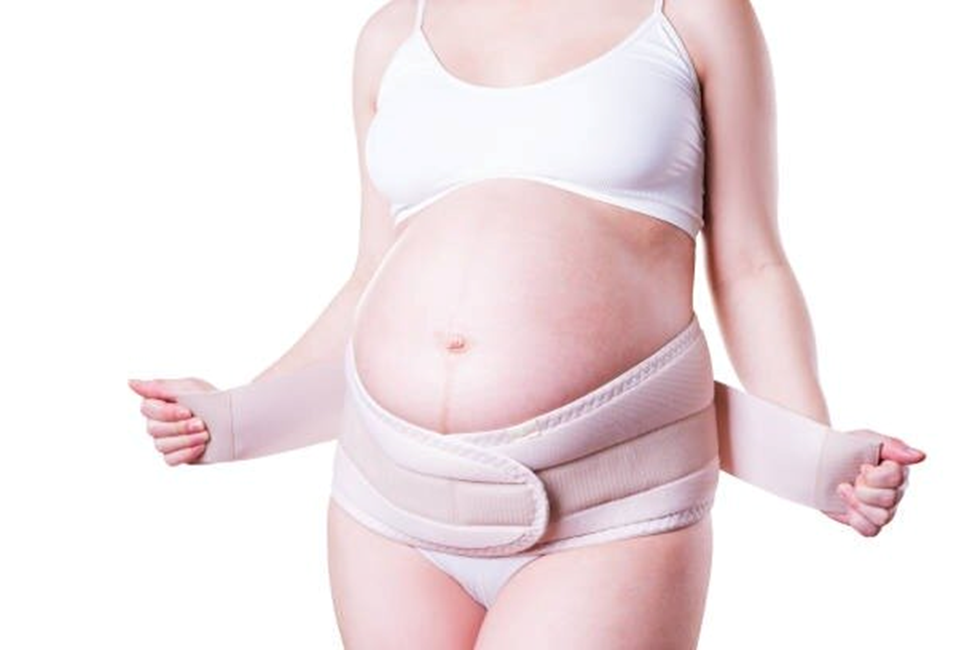
The recovery of every mom is a bit different, and this fact implies that there is no uniform time frame within which a belly band should be used after a C-section. A number of major factors can affect when you start, how frequently you use it and when you stop:
1. Healing of Your C-Section Incision
The provider will examine the quality of your incision closure, any swellings or tenderness, and the strength of the tissue to undergo light compression. By healing quicker, it can be used sooner, and by healing slower, it can have to wait longer.
2. Level of Postpartum Discomfort
Other moms experience major abdominal weakness or pulling pains with normal motions, and a belly band can be of great use during the first few weeks of life. Others may only need support occasionally—or not at all.
3. Core Strength Before and After Pregnancy
Imagine you already have weakened abdominal muscles, and you are in the process of postpartum diastasis recti. Then the belly band can be more helpful in regard to stability and posture, and may last longer. The Momcozy Ergowrap Postpartum Belly Wrap, Momcozy’s debut postpartum recovery product, offers abdominal compression and strong lower back support with the patented Ergonest Support Structure™, which helps to relieve postpartum lower back pain. You can find out more about the product here: Momcozy postpartum stomach wrap.
4. Activity Level
More active mothers- those who walk a lot, lift their older children, or get back to light work- might need belly support more than those who simply rest and recover at home.
5. Provider Recommendations
Depending on your surgery, healing, or any complications, your doctor or midwife might provide certain instructions that move your timeline either earlier or later.
At the end of the day, the most appropriate belly band timeline is the one that complies with your body and your provider.
Signs It’s Time to Stop Wearing Your Recovery Band
You’ll know it’s time to stop wearing your recovery band when:
- Your core feels stronger and more stable during everyday movements like standing, walking, or lifting your baby.
- The band does not relieve you anymore, or you no longer feel the necessity of it.
- It brings pain, rubbing, or pushing around your C-section incision.
- You observe greater dependency, that is, you find it more difficult to get along without the band, a sign that your essence must take itself.
- Your medical practitioner advises you to stop taking it, particularly when you are well on healing.
Conclusion
A belly band may be a useful device in recovering C-section, which provides stability, comfort and support during the healing process. However, the most important aspect of using it is knowing when to put it on and when to take it off, as well as how long. Always listen to your provider, always listen to your body and always do it slowly as your core gets stronger. With the right approach, you can recover comfortably and confidently.