Why More People Are Taking Cannabis Cultivation Into Their Own Hands
Over the past decade, cannabis culture has shifted from underground subculture to regulated mainstream industry in many regions. Retail storefronts, licensed producers, and evolving state laws have reshaped public perception. Yet one of the most interesting developments isn’t happening in dispensaries, it’s happening at home.
Across legal markets, more adults are exploring personal cultivation. Not as a trend driven by novelty, but as part of a broader movement toward self-sufficiency, transparency, and hands-on learning. Just as sourdough baking, home brewing, and backyard gardening have surged in popularity, growing cannabis has become a hobby rooted in control and education.
The modern home grower is informed, methodical, and motivated by more than yield alone.
From Retail Buyer to Cultivator
For many adults, cannabis consumption once meant visiting a retail store and selecting from pre-packaged options. While regulated markets provide convenience and quality testing, they also limit personal control over how a plant is grown.
Home cultivation changes that dynamic. It allows individuals to oversee every stage of development, from seed selection to harvest timing. Soil composition, nutrient inputs, lighting schedules, and environmental conditions become part of the experience.
In this sense, cultivation becomes less about the end product and more about the process.
Interest in growing cannabis has grown alongside broader cultural trends emphasizing transparency and autonomy. Consumers increasingly want to understand how products are made. Cultivation provides that clarity firsthand.
Education Before Experimentation
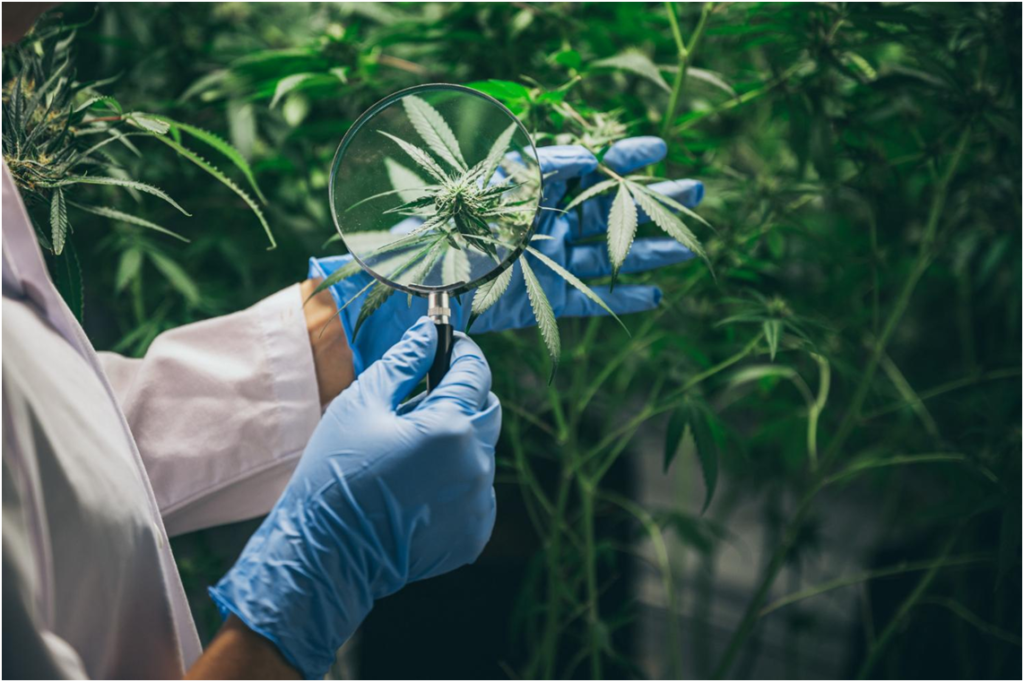
Despite the accessibility of online seed markets and cultivation equipment, experienced growers emphasize preparation. A successful grow depends on understanding fundamentals: germination, vegetative growth, flowering cycles, humidity control, and pest prevention.
Educational resources have expanded dramatically in recent years. Guides covering how to approach growing cannabis responsibly now offer step-by-step explanations of lighting schedules, container selection, and nutrient management.
For beginners, information is the most valuable tool. Mistakes often stem from impatience rather than complexity.
Indoor growers must pay attention to environmental stability. Temperature fluctuations, overwatering, or improper airflow can derail even the most promising plants. Outdoor growers face additional variables, including climate unpredictability and soil composition.
Cultivation rewards attentiveness.
Why Genetics Matter More Than Ever
The starting point of any grow is the seed. And in modern markets, not all seeds are created equal.
Historically, growers relied on regular seeds that could produce male or female plants. Male plants, while essential for breeding, do not produce the cannabinoid-rich flowers most home growers seek. Identifying and removing males requires experience and constant monitoring.
This is why many beginners opt for female cannabis seeds, which are bred to produce female plants exclusively. Feminized genetics eliminate guesswork and reduce the risk of wasted space, particularly in regions where plant counts are legally limited.
Choosing stable genetics increases predictability. Plant height, flowering duration, and cannabinoid consistency all benefit from careful breeding.
Genetics shape the entire cultivation journey.
The Technology Behind Modern Home Growing
The image of cannabis cultivation has changed significantly. Today’s home setups often resemble small-scale laboratories more than traditional gardens.
Key components typically include:
- LED grow lights with adjustable spectrums
- Timers for light regulation
- Carbon filters for air purification
- Hygrometers for humidity monitoring
- Inline fans for ventilation
Modern LED systems are more energy-efficient than older high-intensity discharge lights, reducing electricity consumption while maintaining light intensity.
Automation tools further streamline the process. Smart plugs and environmental monitors allow growers to track conditions remotely. Yet even with advanced tools, observation remains essential. Leaves change color when nutrients are imbalanced. Growth slows when temperatures fluctuate.
Technology assists, but it does not replace experience.
Responsible Cultivation and Public Health Awareness
As cannabis use becomes more mainstream, public health organizations continue studying its effects. The Centers for Disease Control and Prevention provides guidance on responsible cannabis use and safe storage practices, particularly in households with children or pets.
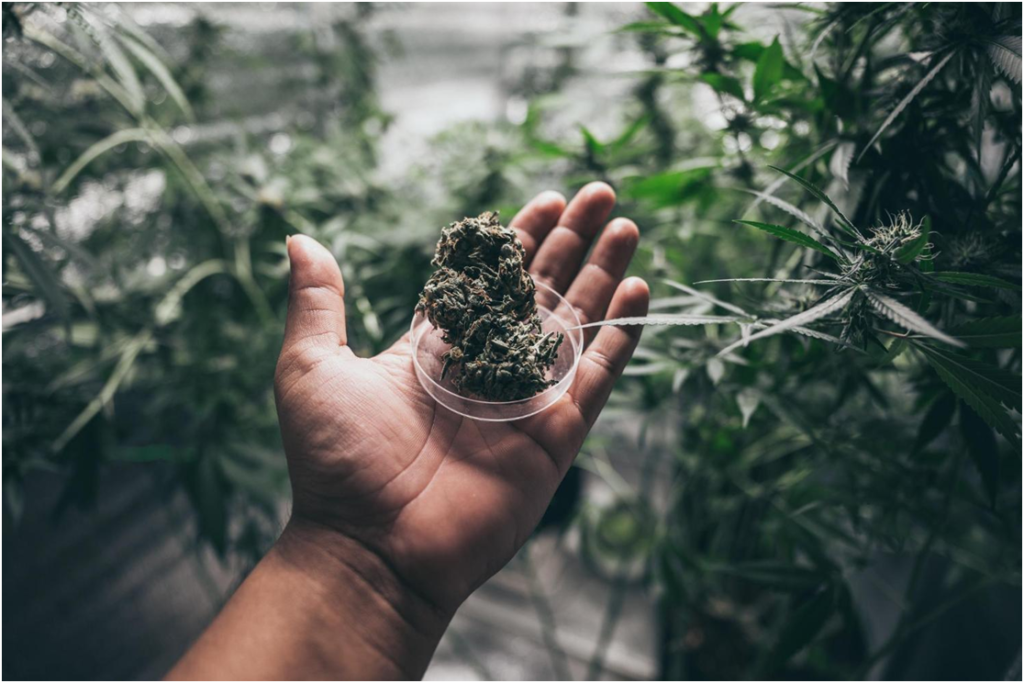
Home growers must consider these factors carefully. Secure storage of harvested material, proper ventilation, and adherence to local regulations are critical components of responsible cultivation.
Legality varies widely by jurisdiction. Some regions permit limited personal cultivation under specific plant-count limits. Others prohibit it entirely. Staying informed about local laws is non-negotiable.
Cultivation is both a right and a responsibility where permitted.
The Appeal of the Process
Beyond practical considerations, cultivation offers psychological rewards. Gardening in general has long been associated with stress reduction. The act of nurturing a plant from seedling to maturity fosters patience and routine.
Cannabis cultivation shares these characteristics. Observing daily growth, adjusting conditions, and eventually harvesting a crop creates a tangible sense of accomplishment.
For many adults, the hobby becomes meditative. It introduces structure in an otherwise digital world.
This emotional dimension often explains why home growers continue cultivating even when retail products are readily available.
Market Maturity and Consumer Sophistication
The modern cannabis consumer is more informed than ever. Discussions now center on terpene profiles, cannabinoid ratios, and environmental sustainability. Cultivators mirror this sophistication.
Seed descriptions include detailed lineage information. Grow journals document environmental data and yield outcomes. Online communities compare results across climates and setups.
This exchange of information elevates the entire ecosystem. What was once trial and error becomes collaborative refinement.
Female cannabis seeds, for instance, are no longer viewed simply as a convenience but as a strategic choice aligned with efficiency and regulatory compliance.
The home grow movement reflects this maturation.
Sustainability and Environmental Considerations
Indoor cultivation consumes energy, particularly through lighting and climate control. However, advancements in LED technology have significantly improved efficiency.
Some growers integrate renewable energy sources such as solar panels. Others prioritize soil regeneration techniques and water conservation strategies.
Outdoor cultivation, where climate permits, reduces energy usage but introduces environmental unpredictability.
Sustainability is increasingly central to cultivation decisions. Responsible growers evaluate resource consumption alongside yield.
Community and Shared Knowledge
One of the defining features of the modern grow movement is its openness. Online forums, social media groups, and educational platforms facilitate peer-to-peer learning.
Experienced growers share troubleshooting advice. Beginners document progress and seek feedback. This transparency reduces barriers to entry while promoting best practices.
Community validation has replaced secrecy. As more adults explore cultivation legally, knowledge-sharing strengthens safety and quality standards across the board.
Looking Ahead
The future of home cultivation will likely be shaped by continued innovation in genetics, lighting, and automation. Faster-flowering varieties, more stable seed lines, and improved environmental control systems will further streamline the process. At the same time, regulatory frameworks will continue evolving. Federal and state-level policies may redefine access, distribution, and oversight.
Yet regardless of policy shifts, the motivations driving home cultivation remain consistent: autonomy, transparency, and engagement with the process. For many adults, growing cannabis is not about scale or profit. It is about participation.
It represents a hands-on approach to a product that has historically been misunderstood or heavily regulated. It invites learning and demands responsibility.
In a market defined by rapid change, the home grow movement stands as a reminder that sometimes the most meaningful shifts begin not in boardrooms or ballot boxes, but in spare rooms and backyard gardens. And for those who approach it thoughtfully, with stable genetics, reliable information, and respect for local laws, cultivation becomes more than a hobby. It becomes a craft.