What to Know After a Pedestrian Accident
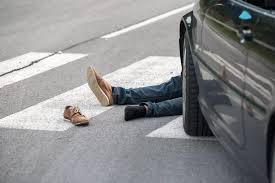
Pedestrian accidents often result in serious injuries, and understanding your rights early can help protect your health and financial recovery.
When a person on foot is struck by a vehicle, the consequences can be life-changing. Unlike drivers, pedestrians have no physical protection, which means even low-speed collisions can cause significant harm.
According to the National Highway Traffic Safety Administration (NHTSA), thousands of pedestrians are killed and many more are injured in traffic crashes each year.
As safety professionals often emphasize:
“Pedestrian safety requires both driver awareness and informed action after a crash.”
Why Pedestrian Accidents Happen
Most pedestrian accidents are caused by driver negligence or traffic violations.
Common contributing factors include:
● Distracted driving (especially texting)
● Failing to yield at crosswalks
● Speeding in residential areas
● Driving under the influence
● Running red lights or stop signs
● Poor visibility at night
The Centers for Disease Control and Prevention (CDC) also provides transportation safety information highlighting the risks pedestrians face.
For example, many pedestrian crashes occur at intersections where drivers fail to check for people crossing legally in marked crosswalks.
A common scenario involves a driver turning right on red without noticing a pedestrian in the crosswalk.
Common Injuries in Pedestrian Accidents
Pedestrian injuries are often severe due to direct impact with a vehicle and the pavement.
Typical injuries include:
● Traumatic brain injuries
● Spinal cord injuries
● Broken legs or arms
● Pelvic fractures
● Internal bleeding
● Severe road rash and lacerations
Even at speeds under 30 mph, the force of impact can cause long-term harm.
For example:
● A head injury may require emergency care and follow-up neurological treatment.
● A fractured leg may involve surgery, hospitalization, and months of physical therapy.
Because injuries are often serious, medical expenses can accumulate quickly.
What to Do Immediately After a Pedestrian Accident
Seeking medical care and documenting the incident are the most important steps after being hit by a vehicle.
If you are involved in a pedestrian crash:
● Call 911 immediately
● Seek emergency medical evaluation
● Request a police report
● Take photos of the scene, if possible
● Gather witness information
● Avoid discussing fault at the scene
Some injuries may not show symptoms right away. Concussions, internal injuries, and soft tissue damage can worsen over time.
Prompt medical documentation helps protect both your health and your legal position.
Understanding Personal Injury Law in Pedestrian Cases
Personal injury law allows injured individuals to seek compensation when someone else’s negligence causes harm.
In pedestrian accident cases, negligence may involve:
● Distracted driving
● Speeding in pedestrian zones
● Failure to yield at crosswalks
● Driving under the influence
● Ignoring traffic signals
To succeed in a claim, you generally must prove:
- The driver had a duty to operate safely.
- That duty was breached.
- The breach caused your injuries.
- You suffered measurable damages.
Compensation in a personal injury case may include:
● Medical expenses
● Future treatment costs
● Lost wages
● Reduced earning capacity
● Pain and suffering
● Rehabilitation costs
The USA.gov website provides general information about legal processes and government services
Personal injury law is designed to promote accountability and provide financial recovery when negligence causes harm.
Why Insurance Companies May Challenge Claims
Insurance companies often investigate pedestrian claims carefully to determine liability.
Common defenses may include:
● Alleging the pedestrian was outside a crosswalk
● Claiming the pedestrian was distracted
● Arguing that traffic signals were unclear
● Suggesting partial fault
Some states follow comparative negligence rules, which may reduce compensation if the injured person shares responsibility.
Example:
● Total damages: $150,000
● Pedestrian found 20% at fault
● Potential recovery: $120,000
Because liability can be disputed, many individuals consult a pedestrian accident attorney to help gather evidence and present a strong claim.
The Long-Term Impact of Serious Pedestrian Injuries
Pedestrian injuries can affect physical, emotional, and financial well-being for years.
Long-term consequences may include:
● Chronic pain
● Mobility limitations
● Ongoing therapy
● Emotional trauma
● Reduced independence
In severe cases, victims may require:
● Multiple surgeries
● Assistive devices
● Home modifications
● Long-term rehabilitation
According to NHTSA data, pedestrian crashes often result in higher injury severity compared to many other traffic incidents.
Understanding future costs is critical when evaluating compensation.
When Should You Consider Legal Guidance?
You should consider speaking with a professional if injuries are serious or fault is unclear.
Situations where legal support may help include:
● Hospitalization or surgery
● Traumatic brain injuries
● Disputed liability
● Uninsured drivers
● Delayed or denied insurance claims
A pedestrian accident attorney can:
● Investigate the crash
● Collect surveillance footage
● Interview witnesses
● Review police reports
● Consult medical experts
● Negotiate with insurers
● File a lawsuit if necessary
Early action helps preserve evidence, especially video footage that may be deleted after a short time.
Government Resources for Pedestrian Safety
Federal agencies provide valuable safety information and crash statistics.
Helpful resources include:
● CDC Transportation Safety: Transportation Safety | CDC
These websites offer data, prevention tips, and educational materials about pedestrian safety.
Safety awareness helps reduce risks for both drivers and pedestrians.
Time Limits for Filing a Claim
Every state has a statute of limitations that sets a deadline for filing a personal injury lawsuit.
This time limit varies but is often between one and three years from the date of the accident.
If you miss the deadline, you may lose the right to pursue compensation.
Acting promptly also ensures evidence remains available and witness memories stay fresh.
Emotional Recovery After a Pedestrian Accident
Pedestrian crashes can impact mental health as well as physical recovery.
Common emotional responses include:
● Anxiety near traffic
● Sleep disturbances
● Fear of crossing streets
● Post-traumatic stress symptoms
These reactions are normal after traumatic experiences. Counseling or therapy may be part of the healing process.
Documenting emotional treatment can also be relevant in a personal injury claim.
Final Thoughts: Protecting Your Rights After a Pedestrian Accident
A pedestrian accident can be overwhelming, but informed decisions can help secure your recovery.
Understanding personal injury law, reviewing official government safety data, and documenting injuries are important steps after being hit by a vehicle.
If injuries are serious or insurance negotiations become complex, consulting a pedestrian accident attorney may help clarify your rights and next steps.