What Should You Consider When Buying New Homes?
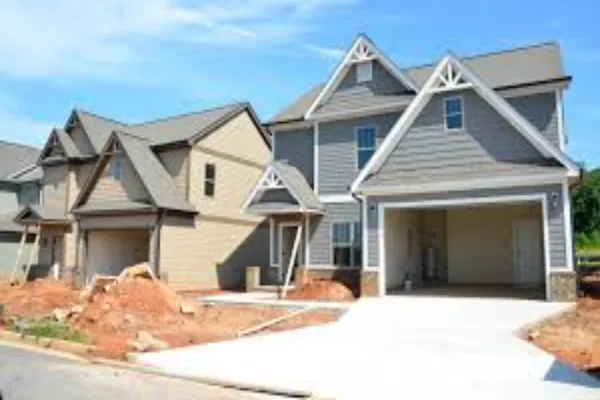

There are a lot of mixed feelings involved when someone decides to buy a new home. In many cases, excitement often meets concerns. As a result, questions about pricing, location, construction quality, and long-term value begin to surface, especially when the investment impacts both finances and lifestyle for years to come. Because of this, most buyers fear making an expensive error or missing some details that will reveal only upon their arrival at the new residence, ultimately making that purchase a stressful time.
Fortunately, with the appropriate mindset and attitude, such worries can be addressed with proper management. By clearly identifying priorities, applying critical analysis, and having access to credible information, buyers can turn a chaotic process into an assured decision-making experience. In turn, being aware of what is important helps buyers remain in control, avoid making rash decisions, and stay prepared at all levels during the buying process.
Overall, this article breaks down the key considerations every buyer should evaluate before purchasing a new home.
1. Budget Clarity And Long-term Affordability
The basis of any successful home purchase is to draw a realistic budget. Beyond the listing price, there are property taxes, insurance, utilities, maintenance, and possible homeowners’ association expenses that must be paid by the buyers. Over time, these fixed costs tend to make or break a home and should never be considered secondary costs.
Long-term affordability is also pegged on financial stability and future income expectations. By anticipating changes in earnings, lifestyle, and unexpected expenses, buyers can sustain a balance of finances after relocating to the new place. Furthermore, when exploring options such as new homes Bozeman MT, evaluating energy-efficient construction becomes essential, as lower utility and repair costs can meaningfully improve affordability across decades of ownership.
2. Location Value And Neighborhood Growth

Location determines day-to-day activities, commuting duration, availability of facilities, and the general standard of living. Therefore, buyers are advised to consider the distance to schools and health facilities, as well as grocery and recreational centers, to ensure safety and everyday convenience.
At the same time, the trend of neighborhood growth is influential on future values. Moreover, a study found that homes located in areas with planned infrastructure development and stable zoning experience stronger appreciation over the years. Hence, by analyzing local planning documents, population trends, and employment growth data, buyers can gain a better understanding of the neighborhood’s long-term potential.
3. Builder Reputation And Construction Quality
The quality of construction has an impact on safety, durability, and subsequent maintenance rates. Therefore, studying the past projects of the builder, warranty coverage, and reviews by customers enables buyers to determine reliability and consistency in craftsmanship before venturing in. In most cases, a good reputation is usually an indicator of keenness to detail, conformity to norms, and long-term responsibility.
Even so, independent inspections are necessary, even in new constructions. By detecting construction defects early, buyers can avoid unnecessary repair costs and minimize long-term safety threats. Additionally, consideration of material specifications, building codes, and construction standards helps ensure the home complies with regulatory requirements and maintains a high level of construction quality.
4. Floor Plan Functionality And Future Needs

A floor plan must be well planned to facilitate normal living, rather than being attractive only during a walkthrough. Therefore, buyers must evaluate room division, storage areas, natural lighting, and movement to other spaces to ensure the layout can support everyday activities. Overall, considered designs minimize wastage and streamline normal operations.
In addition, the needs of the future should also be given equal consideration. As a result, flexible plans enable rooms to change over time to accommodate remote working, family growth, or elderly needs. By assessing how effortlessly rooms can be rearranged, buyers can ensure the house does not become inefficient or uncomfortable as life situations change, without requiring significant alterations.
5. Energy Efficiency And Health Impact
Energy efficiency is increasingly becoming part of affordability, comfort, and environmental responsibility. As a result, features like high-end insulation, effective HVAC systems, smart thermostats, and energy-rated windows contribute to the minimization of utility performance and to a stable level of indoor temperatures.
The health advantages provide an additional reason to buy energy-efficient houses. In fact, studies indicate that an increase in building efficiency standards enhances indoor air quality and minimizes respiratory illnesses. Therefore, demanding energy performance certifications or testing reports enables buyers to detect civil assertions of efficacy and gain improved cognition of long-term health and economic advantages.
6. Legal Checks And Resale Readiness

Legal authentication helps users avoid future controversies and unforeseen challenges. Hence, by confirming a clear title of property, compliance with zoning, occupancy certificates, and warranty documents, one is assured that the home is in total compliance with all the regulations prior to purchase. Thus, close examination of such documents will stop post-closing delay, fines, or title issues.
The resale of home preparedness is strongly associated with the clarity of the laws and the overall marketability. Hence, fully documented and well-compliant homes are more easily purchased and have higher resale value. Early consideration of legal diligence enhances flexibility, confidence of resale, and long-term solvency and safeguards future investment capability.
Conclusion
The purchase of a new house is an important course of action involving both individual ambitions and financial accountability. Hence, evaluating the budget constraints, the neighborhood potential, and the quality of the construction used will help eliminate the uncertainties and make wiser decisions initially.
Hence, the most practical lesson is that one should be patient and prepared to do the process. Thus, verifying details, relying on credible research, and thinking beyond short-term appeal. Hence, an initial well-planned decision results in a home that would provide a sense of comfort, stability, and tranquility in the years ahead.