What Is a Virtual Phone Number? A 2025 Guide to Safer Signups and SMS Verifications
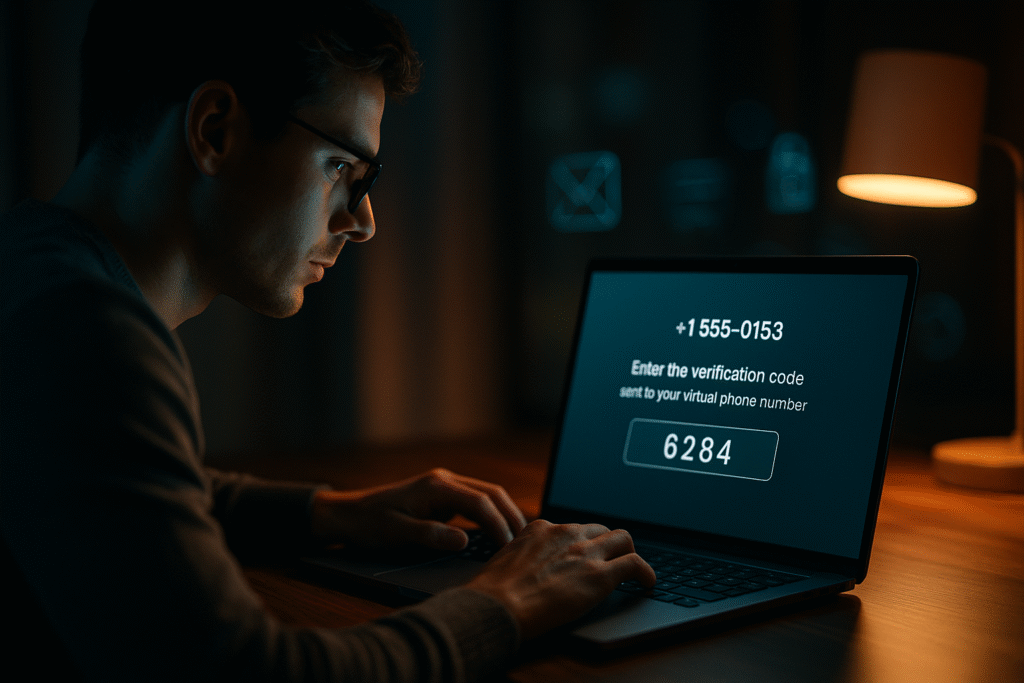
A virtual phone number might sound like a niche tool, but in 2025, it has quietly become essential. From verifying accounts to protecting your identity during online signups, these numbers give you a flexible, secure way to interact with apps and services without revealing your real phone number.
Whether you are testing new platforms, managing multiple profiles, or simply trying to keep your personal number private, this guide explains how virtual numbers work, their applications, and why millions rely on them every day.
What Is a Virtual Phone Number?
A virtual phone number is a phone number that is not tied to a physical SIM card or device. Instead, it works over the internet, allowing users to receive SMS or calls online through apps, platforms, or APIs. These numbers can be local or international and are often used for account verification, testing, or maintaining privacy online.
They function just like regular numbers for receiving one-time passwords, but without the risks of exposing your personal mobile number. You can use them across devices, from desktops to mobile phones, and many platforms support them for receiving SMS verification codes.
How Do Virtual Phone Numbers Work?
Virtual phone numbers are managed through cloud networks that handle SMS routing and delivery. Depending on the provider, these can be VoIP-based or real mobile numbers. Quackr supports non-VoIP numbers to maximize compatibility across major platforms
There’s no need for a SIM card or physical device. You select a number from a specific country, use it to register on your chosen platform, and instantly receive the OTP or message online. Once you’re done, you can discard the number or reuse it depending on the platform’s policy.
Top 5 Reasons to Use a Virtual Phone Number in 2025
1. Quick Signups Without Using Your Real Number
Virtual numbers help you register for apps and services without exposing your personal mobile number. Whether it’s Telegram, WhatsApp, Gmail, or niche platforms, they allow you to receive OTPs instantly, without requiring a SIM swap or a second device.
2. Managing Multiple Accounts Seamlessly
Creators, freelancers, and remote teams often need more than one profile for work and personal use. Virtual phone numbers make it easy to manage multiple accounts across platforms like TikTok, Instagram, or Gmail, especially when you want to keep things separate but secure.
3. Bypass Country Restrictions While Traveling or Working Remotely
If a platform only allows signups with a local number, virtual numbers give you instant access. You can use US, UK, or other regional numbers even if you’re currently abroad, especially useful for digital nomads and expats.
For more creative and real-world applications of temporary numbers across industries like eCommerce, education, and research, check out Innovative Uses of Temporary Numbers in Tech and Beyond.
4. Testing Apps, Products, or SMS Workflows
Developers and QA teams use virtual numbers to test account flows, 2FA, or promotional SMS campaigns. It’s ideal for A/B testing and simulating user behavior without needing a fleet of real devices or SIMs.
5. Maintaining Privacy and Reducing Spam
By using virtual phone numbers for signups, trials, or one-time logins, you prevent your real number from ending up in data broker lists. When you’re done, you can simply discard the number; no long-term exposure or inbox overload.
Best Use Cases for a Virtual Phone Number
Virtual numbers are no longer just a backup option. In 2025, they play a central role in how individuals and businesses manage communication, security, and identity across platforms. Here are some of the top use cases:
Use Case 1: Sign Up for Telegram, Gmail, WhatsApp Without Your Real Number
Need a quick verification code but don’t want to give up your real number? Virtual numbers are perfect for one-time verifications, especially for platforms that require SMS OTPs.
Use Case 2: Run Multiple Accounts for Social or Business Purposes
Whether you’re an influencer managing alt accounts or a freelancer separating clients, virtual numbers let you spin up new profiles without needing multiple SIMs or devices.
Use Case 3: Safely Join Giveaways, Trials, or Marketplaces
Use a disposable number to claim a limited-time offer, join a contest, or test a new service, all without risking your personal number ending up on a spam list.
Use Case 4: Test Product Flows and SMS Automation as a Developer
If you’re building or QA testing apps that rely on SMS-based login or 2FA, virtual numbers provide fast, scalable ways to simulate real-world usage, ideal for staging environments and user testing.
Use Case 5: Communicate Internationally Without Roaming Fees
Get local numbers in countries like the US, UK, or Germany to receive texts from clients, platforms, or services. No need to carry extra phones or SIM cards while traveling.
How to Choose the Right Virtual Phone Number App in 2025
Not all virtual number services are created equal. If you’re new to this space, it can be tricky to pick the right platform, especially with so many promising global coverage or “instant” delivery.
Here are the essential features to look for in a virtual phone number provider in 2025:
- Privacy-first policies
Avoid apps that log your activity or sell your data. Look for providers that are transparent about how numbers are routed, stored, and protected. - Wide country coverage
Whether you need a US number for Google or a UK number for Telegram, having multiple regions supported gives you more flexibility. - Reliable OTP delivery
Not all numbers work consistently with apps like WhatsApp or Gmail. Choose platforms known for high delivery success rates, especially on stricter platforms. - Clean user interface
If you’re using this tool often for client onboarding, dev testing, or alt accounts, experience matters. Look for web-based options that don’t require app installs. - Scalable pricing
Whether you’re a solo freelancer or managing a small team, pick a provider that offers flexible plans, including bulk discounts or dedicated routing for heavier usage. - No unnecessary friction
The best tools let you get started without a long KYC or ID verification process unless you’re using them at enterprise scale.
Once you’ve narrowed down your options, it’s worth testing with a single platform, say Telegram or Gmail, before committing to a long-term setup.
Why Quackr Is a Top Choice for Privacy-Focused Users
If you’re looking for a virtual number platform that’s simple, fast, and built with privacy in mind, Quackr is worth checking out.
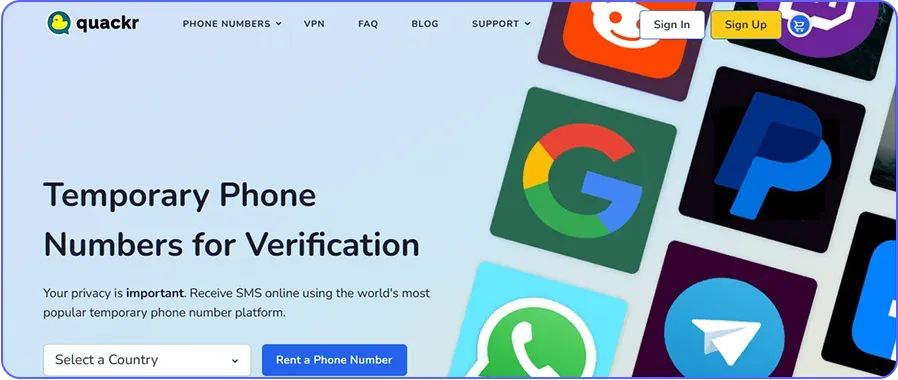
Quackr offers on-demand phone numbers for SMS verification across platforms like:
- Telegram
- WhatsApp
- Gmail
- Snapchat
- And more
There’s no app to install; everything works through your browser. Just pick a number, receive your code, and move on. It’s especially useful for digital nomads, testers, or anyone managing multiple accounts without wanting to share their personal number.
Other things users appreciate:
- International numbers from over 40+ countries
- Fast OTP delivery for major apps
- Clean, clutter-free UI
- No long sign-up process
Quackr’s web-based interface makes it a standout choice for users who prefer instant access without installing apps. It’s ideal for developers, digital marketers, and freelancers who regularly need to verify accounts from multiple platforms. With global reach and enterprise options, Quackr scales easily from individual use to team-level operations.
Final Thoughts: Why Virtual Phone Numbers Matter in 2025
In 2025, your phone number isn’t just a contact detail; it’s a key to your digital identity. As apps increasingly rely on SMS verification and privacy concerns grow, having control over which number you use (and when) matters more than ever.
Virtual phone numbers give you that control. Whether you’re a developer testing login flows, a freelancer managing multiple accounts, or simply someone who values their privacy, virtual numbers make it easy to stay secure and flexible online.
In a world where every login, signup, and verification touches your identity, virtual numbers from Quackr put control back where it belongs: in your hands.
Frequently Asked Questions (FAQs)
Are virtual phone numbers legal?
Yes, virtual phone numbers are legal in most countries. They’re commonly used by businesses and individuals for privacy, account verification, and communication. Just make sure you follow the platform’s terms of service where you use them.
Can I use a virtual phone number for verification?
Absolutely. Many people use virtual phone numbers to receive one-time passwords (OTPs) when signing up for services like Gmail, Telegram, or WhatsApp.
Do virtual phone numbers work with Telegram or Gmail?
Yes. Quackr and similar platforms are compatible with major services like Telegram and Gmail, though success may vary depending on the number’s region and whether the platform blocks reused numbers.
Are virtual numbers traceable?
Virtual numbers are not directly tied to your SIM card or personal data, which helps reduce traceability. However, platforms and governments may still request information from providers if required by law.
Do I need to install an app to use a virtual phone number?
No. With Quackr, you can access virtual numbers directly in your browser. No app downloads or complex setup required.