The Rise of All-in-One Business Operating Systems: Planfix as a Single Source of Truth

Most companies juggle a stack of tools. From CRMs and task managers to team chats, spreadsheets, and document workflows, each team picks its own app, and every process gets its own SaaS.
In 2024, organizations ran an average of 106 SaaS apps at once, and that keeps climbing. Meanwhile, the side effects are all too familiar: scattered data, uneven workflows, time lost in handoffs, and money left on the table.
That’s why more teams are shifting from point tools to all-in-one business operating systems like Planfix. These solutions represent a single source of truth where processes and data live together in one ecosystem.
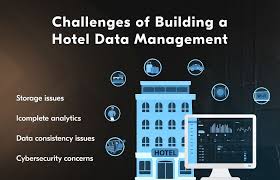
Why Too Many SaaS Apps Put Your Business at Risk
When your stack gets crowded, the same problems keep popping up. Here are the main reasons teams end up trading a dozen tools for one platform.
- Tools don’t play well together, or the “integration” is only skin-deep.
- Data gets duplicated, and analytics turns messy.
- Scaling stalls, and every new team wants its own set of apps.
- Costs creep up due to more subscriptions, more integrations, and more training.
- Productivity dips as context-switching across 5–10 apps eats time.
What you need is a single control center for data and processes, so everything runs as one system, not as a box of mismatched parts.
What a Business Operating System (BOS) Is and Why It Matters
A BOS is a universal platform that lets you set up processes of any complexity and run the essentials: teams, clients, documents, and everyday operations.
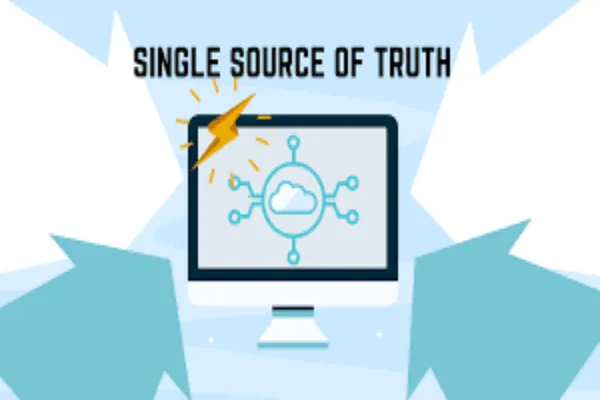
Its core promise is a Single Source of Truth (SSOT). This means data stays structured, easy to access, and consistent. Meanwhile, processes are standardized, and the company can operate in one shared information space.
Teams are switching to BOS because business moves faster now. AI is taking over routine tasks, digital workflows are growing more intricate, and operating costs keep climbing. A patchwork of tools you have to glue together manually just doesn’t cut it anymore.
Single Source of Truth: How to Strengthen Processes and Speed Up Decisions
The Single Source of Truth principle is the bedrock of a stable, scalable company. And the switch pays off fast in day-to-day work. Here are the key benefits:
- Cleaner Data – No duplicates, no contradictions.
- Quicker Search – Everything is in one place.
- Real Automation – Workflows run in one platform without stitching different apps together.
- Complete Visibility – Managers see real statuses and team load.
- Easy to Scale – The system grows along with the business.
- Reduced Expenses – Lower costs for tools and integrations.
- Data Consistency – Decisions come faster because the data is consolidated.
These benefits push teams toward the most flexible solutions on the market, like Planfix.
Planfix: The Platform That Brings Your Business Together
Today, a simple CRM or task tool isn’t enough. Instead, you need a flexible platform that can run the entire operation. That’s what Planfix delivers: one place that covers your core business functions:
- Projects and Operations – From quick tasks to complex, multi-team workflows.
- CRM and Sales – Deals, clients, pipelines, and comms.
- Human Resources – Hiring, onboarding, records, and access control.
- Docs and Approvals – Contracts, requests, and cloud integrations.
- Finance and Planning – Budgets, payments, requests, and cost control.
- Workflow Automation – Rules, triggers, and scripts for routine work.
- Team and Client Comms – Chats and calls, email, and messages from chats and social networks.
- Reporting and Data tags – Dashboards, key metrics, and real-time statuses.
When all modules run on a shared data model, you get end-to-end processes instead of patchwork systems without a single logic.
How companies swap dozens of tools for one Planfix system
When a company decides to ditch the tool sprawl, the move usually follows the same playbook. Teams bring their core processes into a single shared space so data, comms, and operations can finally live together on one platform. Here’s what that shift typically looks like:
- Instead of juggling a CRM, Trello/Asana, and Google Sheets, you get one environment for clients, tasks, workflows, and reports.
- Instead of a separate Help Desk and endless email back-and-forth, you get a single feed of requests and all client communications.
- Instead of budgeting in Excel, finance runs in workspaces with clear statuses, roles, and access controls.
Instead of a pile of HR apps, people ops like hiring, onboarding, tasks, access, and training can all run as one continuous cycle.
The big payoff? A single operating logic, one home for your data, and far fewer handoff gaps between teams.
How Planfix Brings Your Information Into One Place
In many companies, info lives everywhere, including inboxes, chats, and random files. This not only slows down work, but also leads to mix-ups. Planfix consolidates key processes into one system, giving you a single space for tasks and projects with proper access controls. Moreover, custom fields and templates speed up repeat work, and integrations with external services take routine steps off your hands.
As a result, you get a standalone, transparent information space.
Solutions that move the needle
Here are the Planfix capabilities that help teams build a unified environment and work more efficiently:
- Flexible Entities – Tasks, contacts, companies, documents, and lists can be tailored to any business process, so the system fits your way of working.
- Process Templates – This means faster recurring operations and consistent execution across teams.
- Automations and Scripts – Routine actions run independently, reducing the risk of human error.
- Flexible Workspaces – Each department works in its own context, while data stays in one source of truth.
- AI Features – Easily analyze information, forecast outcomes, and accelerate decision-making.
Together, these capabilities create a unified information environment where teams move in step while leaders get a complete, accurate picture of what’s going on.
How Our Business Changed After Planfix: A Manager’s Perspective
I’m James, chief operations manager at a sustainable packaging company. We used to run on a patchwork of tools, which slowed down the team and made it hard to keep everything under control.
With Planfix, most of those apps went away, and our data and processes now live on one single platform. This allows executives to see real-time project status, while teams can follow the same operating logic without constant app-switching. Thanks to Planfix, each department works in a workspace tuned to its needs, all powered by a single source of truth. Now decisions come faster, and our IT burden is lighter because we’re not propping up endless integrations.
Planfix became our operating system, the place that brings together processes, teams, and data.
The Future Is All-in-One for Business
Over the next few years, more companies will swap app sprawl for full operating platforms. The solution that wins is the one that will let teams shape their own workflows instead of squeezing into someone else’s model.
Planfix is among the most flexible options, bringing data, processes, and comms into a single structure to give you a Single Source of Truth. All-in-one is where business is headed, and Planfix already delivers it, raising efficiency, clarity, and decision speed for organizations of any size.