The Logistics Boom: Why Etobicoke’s Industrial Sector is Rethinking Floor Safety
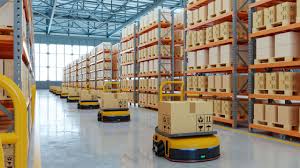
If you drive through the industrial corridors of Etobicoke, you will see the engine of the modern supply chain at work. Massive logistics centers, manufacturing plants, and e-commerce fulfillment warehouses operate around the clock. Thousands of transport trucks move in and out of loading docks daily.
This sector is defined by speed. Consumers expect next-day delivery, which forces warehouse floors to operate at a relentless pace. However, when you combine high-velocity operations with heavy machinery, towering pallet racks, and tight deadlines, physical accidents become a statistical certainty.
Facility directors are quickly realizing that an untrained floor team is their biggest operational liability. A minor accident handled poorly can escalate into a massive crisis. That is exactly why top operations managers are actively mandating formal workplace first aid training for their shift supervisors and floor staff. It is no longer just an HR checkbox; it is a critical strategy to keep the supply chain moving.
Let’s look at why industrial safety protocols are getting a major upgrade.
The True Cost of a Floor Accident
When a worker suffers a serious injury—a crush incident on the loading dock, a severe laceration from packing equipment, or a sudden cardiac event—the immediate human cost is the priority. But the secondary business cost is staggering.
In a massive warehouse, an accident scene forces operations to grind to a violent halt. If the floor staff panics and fails to secure the area or stabilize the victim, the situation spirals. When provincial inspectors from the WSIB (Workplace Safety and Insurance Board) arrive, a poorly managed incident can lead to a prolonged facility shutdown for a full investigation.
A warehouse sitting idle for 48 hours creates a massive ripple effect. Trucks line up at the gates. Outbound shipments miss their freight flights. Retailers do not get their stock. The financial loss is catastrophic. Having a team trained to manage the initial ten minutes of a medical crisis minimizes the chaos, ensures the victim gets immediate care, and helps secure the scene for professional paramedics.
Why the “Dusty Kit” is Obsolete
For decades, many industrial businesses treated safety compliance as an annoying paperwork exercise. They bought a standard green First Aid kit, hung it in the breakroom, and assumed they were legally protected.
The WSIB does not deal in assumptions. Ontario law dictates a strict ratio of certified responders based on the total headcount of your shift and the specific hazard level of your facility. A manufacturing plant carries a much higher hazard rating than a corporate office.
If an inspector audits your facility and finds that your night shift has no certified personnel on the floor, your company faces massive fines. Treating physical safety as an active, daily requirement removes this massive unforced error from your operational risk profile.
Integrating Compliance Without Killing Quotas
The biggest hurdle facility managers face when trying to train their staff is the production schedule. You cannot shut down an outbound shipping lane to send twenty workers to a two-day classroom session. It destroys the weekly quota.
The industrial safety sector solved this problem by adopting the Blended Learning model. It is the most efficient way to keep a massive workforce compliant.
- Online Theory: Workers complete the theoretical reading and multiple-choice quizzes on a tablet or computer. They can do this during their scheduled downtime, split shifts, or orientation weeks.
- In-Person Assessment: The team attends a short, highly focused, in-person session right in the local area to run through the physical skills. They practice applying tourniquets, doing chest compressions, and operating AEDs under the watch of an instructor.
To keep their massive facilities compliant, smart operations managers partner with trusted local providers like Coast2Coast First Aid & Aquatics to run these efficient, blended certification programs. It creates a seamless tracking system for HR without ruining the warehouse’s operational momentum.
Building a Culture of Industrial Resilience
Safety should not be viewed as the enemy of productivity. In reality, a safe floor is a fast floor.
When workers know that their supervisors are formally trained to handle emergencies, baseline anxiety drops. Trust in leadership increases. You build a corporate culture that genuinely values human life over a shipping deadline. Audit your shift rosters this week, implement a blended training model, and secure your supply chain from the inside out.
FAQ: Industrial Safety Compliance
Q: Do forklift drivers need specific First Aid training? A: While forklift operators require specific heavy machinery licensing, it is an industry best practice to ensure that mobile operators are also First Aid certified, as they are often the first to arrive at an accident scene in the deep aisles of a warehouse.
Q: Are standard First Aid kits enough for a manufacturing plant? A: Usually not. Heavy industrial environments often require advanced trauma kits, clearly marked emergency wash stations, and multiple AEDs spread across the facility due to the sheer square footage and extended walking times.
Q: How often do industrial shift workers need to recertify? A: Standard Canadian Red Cross certifications are valid for three years. However, high-risk industrial sites often mandate yearly internal CPR and AED refreshers to keep the team’s muscle memory sharp and limit corporate liability.