Preparing Your Business for Electrical Inspections and Repairs
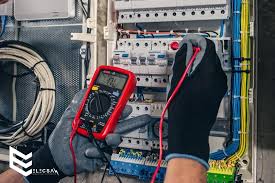
Maintaining a safe and efficient electrical system is crucial for any business, as electrical issues can disrupt operations, endanger safety, and cause costly downtime. Preparing for electrical inspections and repairs requires more than a cursory glance at wiring or equipment; it demands careful planning, organized documentation, and clear communication with service providers. We will explore actionable steps businesses can take to ensure that inspections and repairs proceed smoothly while minimizing disruptions.
Proper preparation not only enhances compliance with electrical codes but also prolongs the lifespan of electrical systems and safeguards employees, clients, and assets. Establishing a proactive approach reduces emergency interventions and fosters a culture of safety and reliability within the workplace, reinforcing trust among staff and stakeholders. By anticipating potential issues and coordinating effectively with Vancouver electrical repairs and service providers, businesses can navigate inspections efficiently while maintaining operational continuity.
Steps to Prepare Your Business for Electrical Inspections and Repairs
- Conduct a Preliminary Internal Review
Before scheduling professional inspections, businesses should conduct a thorough internal review of their electrical infrastructure. This involves walking through facilities to identify visible issues such as frayed wires, overloaded outlets, flickering lights, or malfunctioning circuit breakers. Documenting these findings allows repair teams to efficiently focus on potential problem areas. Additionally, reviewing maintenance logs, past inspection reports, and any previous repair records provides a comprehensive understanding of recurring issues.
Assigning a responsible team member to oversee this review ensures accountability and consistency. Taking the time for this internal assessment can save significant time and cost during the official inspection, as repair personnel can prioritize interventions based on documented observations, enabling a more targeted and effective repair process. A systematic review also empowers staff to recognize early warning signs of electrical failure.
- Ensure Accessibility and Safety Compliance
Access to electrical panels, junction boxes, wiring conduits, and machinery must be clear for inspectors and repair personnel. Businesses should remove obstacles, ensure adequate lighting in service areas, and verify that emergency exits remain unobstructed. Safety compliance extends to proper circuit labeling, adherence to OSHA regulations, and the use of personal protective equipment where required.
Conducting a walkthrough to confirm that all pathways and electrical closets are unobstructed prevents inspection delays and minimizes the risk of accidents. In spaces with heavy machinery or production lines, temporarily shutting down equipment or rerouting electrical load may be necessary to allow safe access. This preparation demonstrates diligence in safety protocols and allows inspectors and repair technicians to conduct their work efficiently without interruption.
- Organize Documentation and System Information
Maintaining comprehensive documentation of electrical systems is vital for a smooth inspection and repair process. Businesses should gather blueprints, wiring schematics, equipment manuals, and any prior inspection reports. Creating a centralized folder or digital repository ensures that inspectors have immediate access to the necessary information. Detailed records help technicians understand the age, capacity, and layout of electrical components, making it easier to identify potential hazards and compliance gaps. Additionally, documenting any modifications, retrofits, or upgrades ensures that inspections account for changes that may not be immediately visible. Proper organization of system information minimizes the risk of oversights, streamlines communication with repair services, and allows businesses to anticipate the scope of potential repairs, reducing operational disruptions.
- Communicate Clearly with the Service Provider
Effective communication with electrical service providers is essential to ensure that inspections and repairs align with business needs. Providing a detailed overview of observed issues, operational priorities, and peak business hours allows technicians to plan interventions with minimal disruption. Establishing a single point of contact within the business helps coordinate schedules, clarify instructions, and respond quickly to inquiries. Discussing potential downtime, estimated repair duration, and safety protocols upfront helps businesses prepare employees and adjust workflows accordingly. Clear communication also ensures that any specialized equipment, sensitive machinery, or critical systems receive appropriate attention and protection during inspection and repair activities. By proactively sharing information and expectations, businesses foster a collaborative environment with service providers that promotes efficiency and accountability.
- Schedule Inspections Strategically
Timing is a key factor when preparing for electrical inspections and repairs. Businesses should consider operational hours, peak periods, and critical deadlines when selecting dates for inspections. For commercial facilities, scheduling inspections during off-peak hours or planned maintenance windows minimizes disruption to productivity. Coordinating with repair teams to align schedules ensures that both parties are prepared for efficient execution. Advance planning also allows time to acquire replacement parts, prepare backup systems, or adjust operational processes. Strategic scheduling reduces the likelihood of emergency repairs, ensures thorough inspections, and enables businesses to manage the impact on employees, clients, and daily operations effectively. A well-timed inspection demonstrates foresight and organizational readiness.
- Implement Preventive Measures in Advance
Preparing for inspections also involves addressing obvious maintenance issues before professionals arrive. Replacing worn-out cords, securing loose connections, testing backup power systems, and verifying grounding integrity are preventive measures that improve overall electrical safety. This proactive approach not only reduces repair time but also minimizes the risk of unexpected shutdowns during inspection. Additionally, businesses can conduct internal safety drills, review emergency procedures, and educate staff on how to respond to electrical hazards. Implementing preventive measures demonstrates responsibility and commitment to safety, which can positively influence inspection outcomes and reinforce confidence in operational reliability. Businesses that take these steps tend to experience smoother inspections and fewer urgent interventions.
Preparing a business for electrical inspections and repairs requires thoughtful planning, proactive measures, and coordination with qualified service providers. By conducting internal reviews, ensuring accessibility, organizing documentation, and communicating effectively, businesses can streamline inspections and reduce downtime. Strategic scheduling, preventive actions, and adherence to regulatory requirements enhance safety and operational efficiency. Educating staff and maintaining a regular maintenance schedule support a culture of awareness and preparedness. Following these steps ensures that electrical systems remain reliable, compliant, and secure, ultimately protecting employees, clients, and business operations while fostering long-term operational resilience.