Ireland’s Energy Future: Why Renewable Gas Is Gaining Momentum
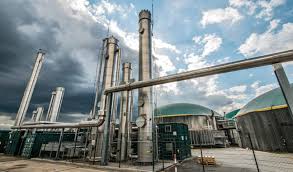
As Ireland works towards its climate goals, the focus has largely been on electrification. However, there is growing recognition that renewable gas will also play a key role in the country’s energy future.
One of the main challenges facing Ireland is the diversity of its housing stock and business needs. While electrification works well in some scenarios, it is not always practical or cost-effective in others. This has led to increased interest in complementary solutions that can bridge the gap.
Renewable gas is one such solution. It offers a way to reduce emissions without requiring significant changes to existing infrastructure. This is particularly important in sectors where continuity and reliability are essential.
Among the renewable gas options available, Calor BioLPG is gaining attention for its ability to deliver immediate carbon reductions. Because it can be used in existing LPG systems, it provides a straightforward pathway for both homeowners and businesses to lower their emissions.
This “drop-in” capability is a key advantage. Unlike some technologies that require extensive upgrades, BioLPG allows users to transition gradually. This reduces both cost and disruption, making it a more accessible option for many.
For households considering energy options, the decision to switch to LPG often comes down to balancing practicality with future readiness. LPG systems offer strong performance today, while also providing the option to transition to renewable alternatives as they become more widely available.
The business sector is also playing an important role in driving demand for renewable gas. Companies across Ireland are under increasing pressure to reduce their carbon footprint, but many are looking for solutions that do not disrupt operations. Renewable LPG provides a way to achieve this balance.
Infrastructure and supply are also evolving. In Northern Ireland, services such as Calor Direct LPG Delivery Service ensure that even remote areas have access to reliable energy supply. This type of support is critical in enabling wider adoption of alternative fuels.
Policy will continue to shape the future of renewable gas. Government incentives, carbon pricing, and regulatory frameworks will all influence how quickly these solutions are adopted. However, market demand is already moving in this direction, driven by both environmental and economic factors.
Energy providers, including Calor Ireland , are part of the broader shift towards more sustainable solutions. Their role in expanding access to renewable gas will be an important factor in how quickly adoption grows.
Ultimately, Ireland’s energy future is unlikely to rely on a single solution. Instead, it will involve a mix of technologies working together to meet different needs. Renewable gas, with its flexibility and compatibility, is well positioned to be part of that mix.
As awareness continues to grow, it is likely that more households and businesses will begin to explore how renewable gas can fit into their energy strategy. In doing so, they will contribute to a more resilient and sustainable energy system for Ireland.