How to Conduct Effective Cloud Security Assessments
Understanding the Importance of Cloud Security Assessments
Cloud computing offers flexibility and cost savings, but it also introduces new security risks. Protecting sensitive data in the cloud is crucial for businesses of all sizes. Regular cloud security assessments help organizations identify vulnerabilities and stay compliant with regulations.
As more companies move their operations to the cloud, the attack surface grows. Threats such as data breaches, unauthorized access, and denial-of-service attacks can impact cloud environments. Without regular assessments, organizations may overlook critical weaknesses that could be exploited by cybercriminals.
Cloud security assessments not only help prevent breaches but also ensure that businesses comply with industry standards and meet legal requirements. This proactive approach can limit financial losses and protect a company’s reputation in the event of an incident.
Key Steps to Start Your Cloud Security Assessment
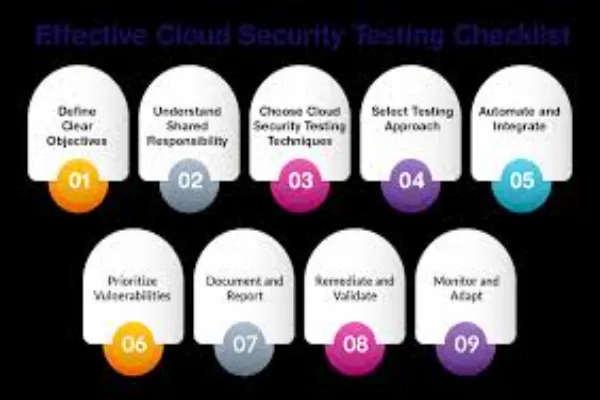
Begin by defining the scope of your assessment. Identify which cloud services, applications, and data will be reviewed. Then, gather information about your cloud environment, including user access, third-party integrations, and data storage locations. For further guidance, review these practical cloud security tips for businesses to help create an effective assessment plan.
Next, document your current cloud architecture. Understanding how your resources are structured will make it easier to spot gaps and inconsistencies. List all the cloud providers you use, as well as any hybrid or multi-cloud configurations. This information forms the foundation of your assessment and helps ensure nothing is overlooked.
It’s also important to involve key stakeholders early in the process. Include IT staff, compliance officers, and business unit leaders to get a complete view of your cloud usage. Open communication will help you identify unique risks and requirements across different departments.
Evaluating Cloud Service Providers and Shared Responsibility
Understand the shared responsibility model in cloud security. Cloud providers secure the infrastructure, but clients must protect their own data and configurations. Verify your provider’s certifications and compliance with standards such as ISO 27001 and SOC 2. The National Institute of Standards and Technology (NIST) offers useful resources on cloud security best practices.
Review your provider’s Service Level Agreements (SLAs) to understand what security measures are in place and where your responsibilities lie. Not all providers offer the same level of security, so compare their offerings carefully. Ask about their incident response processes, data retention policies, and how they handle security breaches.
Staying informed about your provider’s security practices is essential. If your provider makes changes to their services, assess how these updates affect your risk profile. External audits and third-party certifications can offer additional peace of mind.
Assessing Access Controls and Identity Management
Review how users are granted access to cloud resources. Ensure strong authentication methods are in place, such as multifactor authentication. Regularly audit user roles and permissions to prevent unauthorized access.
Implement the principle of least privilege, giving users only the access they need to perform their jobs. Consider using single sign-on (SSO) solutions to simplify access while maintaining security and integrity. Monitor for unusual login attempts or privilege escalations, which could indicate a compromised account.
It’s also important to manage access for external vendors and contractors. Establish clear procedures for onboarding and offboarding users, and ensure that accounts are deactivated promptly when no longer needed.
Examining Data Protection and Encryption Practices
Verify that sensitive data is encrypted both in transit and at rest. Review your cloud provider s encryption options and ensure you manage encryption keys securely. Strong data protection measures help prevent breaches and ensure compliance with data privacy laws.
Consider using advanced encryption standards and regularly rotating keys. Make sure that only authorized personnel can access encryption keys. Besides encryption, data masking and tokenization can provide extra layers of protection for highly sensitive information.
Stay updated on the latest data privacy regulations in your industry. Failure to protect customer and business data can result in significant fines and loss of trust. The Federal Trade Commission (FTC) offers guidance on protecting personal information in the cloud.
Monitoring Cloud Activity and Incident Response
Set up logging and monitoring tools to track cloud activity. Regularly review logs for unusual behavior or signs of attacks. Prepare an incident response plan tailored to cloud environments. The Center for Internet Security (CIS) provides benchmarks and tools for cloud monitoring.
Integrate monitoring tools with alerting systems so that suspicious activity triggers immediate notifications. Automated tools can help detect threats more quickly and reduce the time required to respond. Be sure to test your incident response plan regularly to ensure your team is prepared for different scenarios.
For more information on creating effective incident response strategies, the U.S. Department of Homeland Security offers resources for businesses.
Ensuring Compliance with Regulations and Standards
Cloud security assessments must address compliance requirements such as GDPR, HIPAA, or PCI DSS. Review your provider’s compliance reports and map your cloud environment against relevant regulations. Keeping up with legal obligations reduces risk and builds customer trust.
Document how your cloud environment meets each of the requirements. This documentation is useful during audits and can help you quickly demonstrate compliance. Regularly check for changes to regulations that may affect your business, and update your security measures accordingly.
If you operate in multiple regions, be aware that different laws may apply to your data processing activities. Some countries have strict data localization rules, requiring certain information to remain within their borders. Stay informed about changes in the legal landscape to avoid penalties.
Continuous Improvement and Regular Assessments
Cloud environments change frequently. Schedule regular security assessments to stay current with new threats and emerging technology updates. Update your policies and controls as needed to maintain strong security over time.
Use the findings from each assessment to improve your overall security posture. Track progress over time and set measurable goals for reducing risks. Encourage a culture of security awareness among employees to help prevent incidents before they occur.
Consider using automated tools to streamline the assessment process and identify issues more quickly. Keeping up with emerging threats and best practices will help you stay ahead of cyber risks.
Conclusion
Conducting effective cloud security assessments is crucial for safeguarding business data and ensuring compliance. By following a structured approach and regularly reviewing your security posture, you can reduce risks and respond quickly to emerging threats. Continuous improvement and employee awareness are crucial to establishing robust, long-lasting cloud security.
FAQ
What is a cloud security assessment?
A cloud security assessment is a review of your cloud environment to identify vulnerabilities, check compliance, and ensure security controls are working as intended.
How often should I conduct a cloud security assessment?
It is best to perform cloud security assessments at least once a year or whenever significant changes are made to your cloud environment.
What are common risks in cloud environments?
Common risks include data breaches, unauthorized access, misconfigured settings, and weak identity management practices.
Who should be involved in a cloud security assessment?
IT security teams, compliance officers, and representatives from business units using cloud services should all participate in the assessment process.
What tools can help with cloud security assessments?
Security information and event management (SIEM) systems, cloud provider tools, and third-party security assessment platforms can assist in identifying risks and monitoring activity.