How to Choose the Right Fence Height for Privacy and Style
Installing a fence around your property is one of the best ways to improve privacy, security, and curb appeal. But choosing the right fence height can be trickier than it sounds. Too short, and it might not provide enough privacy. Too tall, and it can feel closed-in or even violate local height restrictions.
If you live in Washington State, your fence height should strike the perfect balance between privacy, safety, and style — while also complying with local codes. This guide breaks down how to choose the right fence height for your home or business, whether you’re aiming for security, beauty, or a bit of both.
Why Fence Height Matters
Fence height isn’t just about looks. It affects your home’s privacy, safety, and even your property’s value. The right height depends on:
- Purpose — Do you want privacy, security, decoration, or pet containment?
- Location — Backyard, front yard, or around a pool?
- Local Regulations — Many cities in Washington have specific limits on residential fence height.
When planning your project, it’s always wise to consult your local building department or talk to a professional fence installer to ensure your design meets all requirements.
Common Fence Heights and Their Purposes
Here’s a quick look at common fence heights and what they’re best for:
| Fence Height | Best For | Typical Use |
| 3 to 4 feet | Decorative, boundary marking | Front yards, gardens |
| 5 to 6 feet | Privacy and pet containment | Backyards, side yards |
| 6 to 8 feet | High privacy and security | Commercial properties, private homes near roads |
| Over 8 feet | Specialty fencing | Industrial or noise-reduction fencing |
1. Privacy Fences: Creating Your Personal Retreat
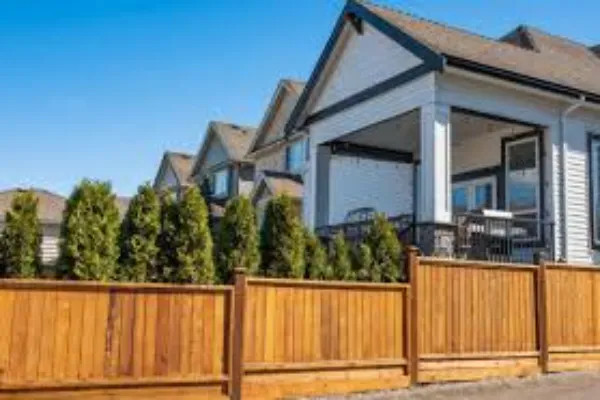
If your main goal is privacy, height is your best friend. A 6-foot fence is generally the standard choice for residential privacy fencing. It blocks the view from neighboring yards and streets without feeling overwhelming.
Best materials for privacy fences include:
- Wood fencing: Classic and customizable, with options like cedar and redwood for natural beauty.
- Vinyl fencing: Low-maintenance and long-lasting, great for a clean, modern look.
- Composite fencing: Combines the durability of plastic with the texture of wood for a balanced option.
To enhance privacy further, homeowners in Washington often add lattice panels or climbing plants along the top for both beauty and function.
Pro Tip: If you’re working with a professional local fence company, ask them about local height limits. In most residential zones, fences up to 6 feet are allowed in the backyard, while front-yard fences are usually limited to 4 feet.
2. Front Yard Fences: Balance Visibility and Curb Appeal
Front yard fences serve a different purpose. They frame your home, define your property boundaries, and add charm — but they shouldn’t block the view entirely.
Most front yard fences in Washington are between 3 and 4 feet tall. That’s tall enough to mark your space and keep small pets contained, but low enough to stay friendly and inviting.
Great front-yard fence styles include:
- Picket fences: Timeless and welcoming, perfect for classic curb appeal.
- Wrought iron fences: Stylish and secure without blocking visibility.
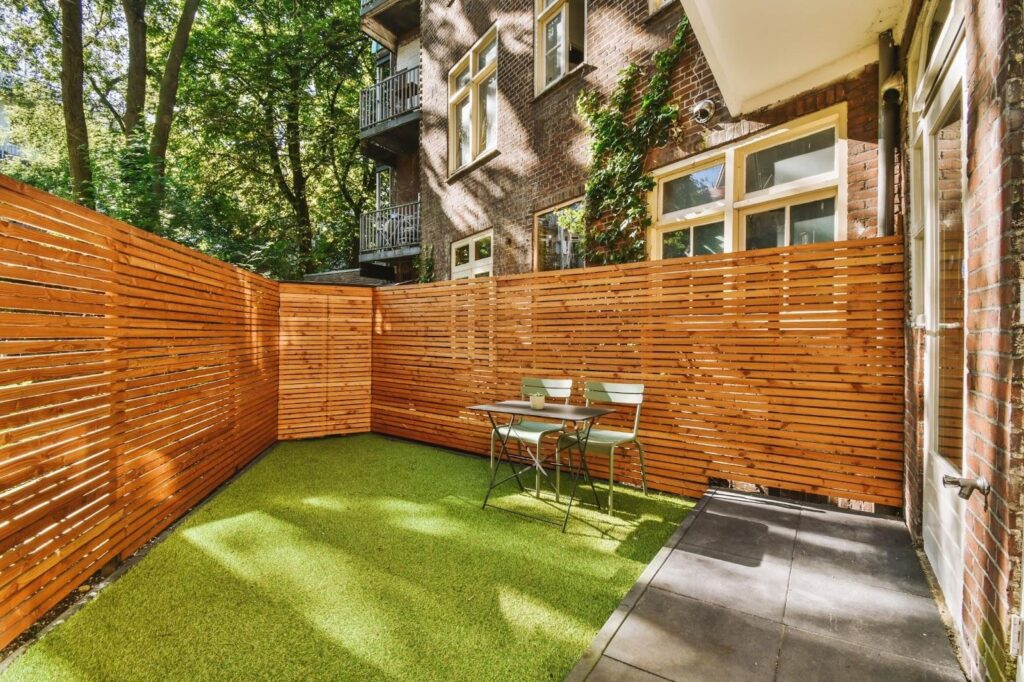
- Horizontal slat fences: Modern and sleek, offering a touch of privacy without feeling closed off.
3. Security Fences: Keeping Safety in Mind
If security is a concern — whether for pets, children, or property — consider going taller. A 6 to 8-foot fence provides a strong deterrent against trespassers and keeps pets safely inside.
Popular security fence materials:
- Chain link fencing: Cost-effective and durable, great for large perimeters.
- Metal or aluminum fencing: Adds strength and sophistication.
- Wood fencing with sturdy posts: Offers both privacy and safety when built correctly.
For added security, homeowners often combine fencing with locking gates or motion lighting to improve visibility at night.
4. Pool Fences: Safety First
If you have a pool, Washington State law requires fences for safety reasons — especially for homes with children. Most local codes specify a minimum height of 4 feet, but many homeowners choose 5 to 6 feet for extra protection.
When choosing a pool fence, ensure it has self-closing and self-latching gates that open outward, as required by safety regulations.
Recommended pool fence materials:
- Vinyl fencing: Resistant to water damage and easy to clean.
- Metal fencing: Sleek, durable, and compliant with safety standards.
- Tempered glass fencing: Offers a modern, open look while keeping safety intact.
5. Style and Aesthetics: Finding Your Perfect Look
Your fence doesn’t just serve a function — it also defines your home’s personality. Once you’ve decided on the right height, think about design.
Here’s how to match fence height to your home’s aesthetic:
- Modern homes: Go for horizontal plank fences around 5–6 feet tall with sleek lines.
- Traditional homes: A classic wood or picket fence between 3–4 feet keeps the charm alive.
- Large properties: Taller fences (6–8 feet) with mixed materials like wood and metal can make a bold statement.
Adding features like post caps, trim details, or decorative latticework helps balance privacy with style.
6. HOA and Local Code Considerations
Before finalizing your plans, always check your local fence regulations. In Washington State, many cities have specific rules for maximum fence heights depending on your property’s zoning and location.
Some homeowner associations (HOAs) also regulate fence design, color, and materials. Violating these rules could mean having to remove or modify your fence later — an expensive mistake to avoid.
Working with a professional fence installer in Washington ensures your project meets all height and design requirements. They can also handle any necessary permits and help you navigate local rules.
7. Customizing Your Fence for Your Needs
Sometimes, the right solution is a mix of heights and materials. For example:
- Front yard: A 3-foot decorative fence.
- Side yard: A 5-foot privacy section.
- Backyard: A 6-foot full-privacy design.
This layered approach provides both aesthetic balance and functional privacy, all while following local rules.
Final Thoughts
Choosing the right fence height is about more than just following guidelines — it’s about creating the perfect mix of privacy, safety, and style for your property.
Whether you want a cozy, enclosed backyard or a welcoming front yard design, the right height and material make all the difference. Partnering with an experienced fence installation company in Washington State can help you achieve the look and functionality you want — without the guesswork.
From privacy fencing to decorative designs, a well-planned fence does more than mark your boundaries — it enhances your home’s personality, security, and value for years to come.