How Time Management Reduces Anxiety in Early Sobriety

Early sobriety is often described as one of the most vulnerable phases of recovery. Even after detox, people can experience lingering symptoms like anxiety, low mood, sleep problems, and cravings as the brain and body adjust to life without substances. These post-acute withdrawal symptoms can last for weeks or months, especially after alcohol and other depressants.
On top of that, many people suddenly have hours of unstructured time that used to be filled with using, recovering from using, or thinking about using. Without a plan, that open space can quickly turn into worry, rumination, and temptation. Building structure and routine is one of the most consistently recommended tools in early recovery for exactly this reason.
Time management is not just a productivity trick. Research in other settings shows that effective time management is associated with lower anxiety, less stress, and better well-being, because it increases a sense of control over the day.
For someone in early sobriety, whether they are at home, in a sober living house, or stepping down from a rehab in Virginia, time management can become a practical way to calm the nervous system and reduce anxiety.
Understanding Anxiety in Early Sobriety
Common Triggers of Anxiety
In early sobriety, anxiety can be triggered by:
● Social pressures – events where alcohol or drugs are present, or friends who still use.
● Cravings and urges – sudden waves of wanting to use, often tied to certain times of day or emotional states.
● Fear of failure or relapse – worrying about “slipping,” disappointing others, or “starting over.”
These triggers are often layered on top of PAWS symptoms like restlessness, irritability, and sleep disturbance, which themselves increase vulnerability to anxiety.
Emotional Impact
Anxiety in early sobriety can feel like:
● A constant sense of dread or unease
● Racing thoughts about the future
● Physical symptoms such as a tight chest, stomach discomfort, or a racing heart
● Difficulty concentrating on therapy, work, or even simple tasks
If unaddressed, this anxiety can make it harder to fully engage in recovery work and may increase relapse risk.
Why Time Management Matters in Recovery
What Is Time Management?
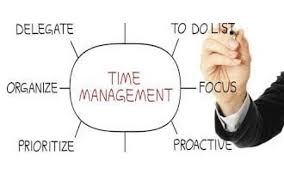
Time management means organizing how you use your hours so your actions line up with what matters most. It usually includes:
● Planning the day or week in advance
● Prioritizing tasks
● Setting realistic time frames for activities
● Creating routines that repeat day after day
Studies have found that people with better time management skills often report lower anxiety and stress and a greater sense of control over their workload and life.
Benefits of Time Management in Recovery
For someone in early sobriety, effective time management can:
● Build structure and routine
○ Predictable routines reduce “empty space” in the day, which is when cravings and worries often creep in.
● Increase a sense of purpose
○ Having clear tasks and recovery-focused activities (therapy, support groups, self-care) creates a feeling of moving forward, not just “staying sober.”
● Support better decisions
○ When the day is partially planned, there is less room for impulsive choices driven by anxiety or boredom.
Practical Time Management Strategies
1. Setting Priorities
Not every task is equally important. In early recovery, it helps to ask:
● What truly protects my sobriety and health today?
● What can wait until later?
A simple way to think about this (inspired by the Eisenhower Matrix) is:
● Urgent and important – things that protect safety and sobriety (therapy, medication, key appointments).
● Important but not urgent – building routines, exercise, meal planning, making supportive connections.
● Urgent but less important – minor errands, non-essential messages.
● Neither urgent nor important – scrolling social media, people-pleasing commitments that drain energy.
Recovery-supportive tasks should sit in the “important” categories, even if they don’t feel urgent at the moment.
2. Creating a Simple Daily Schedule
A schedule in early sobriety doesn’t need to be perfect or packed. It just needs to be predictable enough to reduce decision fatigue and unstructured time.
For example:
● Morning: wake at a consistent time, basic hygiene, breakfast, short walk or gentle stretching, brief check-in (journal, reading, or a recovery app).
● Midday: therapy or group if scheduled; otherwise, job search, school, housework, or volunteering. Include a real lunch break.
● Afternoon/early evening: support group meeting, exercise, or creative time.
● Evening: dinner, connection with safe people, calming routine (reading, breathing exercises, sleep hygiene).
People stepping down from a structured program whether it’s an addiction center in Virginia or another region often find it helpful to loosely mirror the structure they had in treatment, then adapt it to their home life.
3. Using Time Blocks
Time blocking means assigning specific blocks of time to particular activities rather than trying to squeeze tasks into gaps.
Example:
● 9:00–10:00 a.m. – Job applications
● 10:00–10:15 a.m. – Break
● 10:15–11:00 a.m. – Chores
● 11:00–12:00 p.m. – Therapy session or recovery reading
This approach can:
● Reduce overwhelm by giving each task a clear “home” in the day
● Limit the time available for unhelpful habits (doomscrolling, rumination)
● Make it easier to transition from one activity to another
4. Setting Realistic Goals
Goals in early sobriety should be specific, small, and tied to recovery. For example:
● “Attend three meetings this week.”
● “Walk for 10 minutes after lunch each day.”
● “Turn off screens 30 minutes before bed on weeknights.”
Small, achievable goals create frequent “wins,” which support motivation and confidence, important buffers against anxiety and relapse.
Overcoming Common Time Management Challenges
Dealing With Procrastination
Procrastination in early sobriety often comes from fear (“What if I fail?”) or low energy, not laziness. Helpful strategies include:
● The 5-minute rule: commit to doing a task for just five minutes; often, momentum carries you further.
● Breaking tasks into micro-steps: instead of “clean the kitchen,” start with “clear the counter.”
● Reducing friction: lay out clothes the night before, keep a packed meeting bag by the door, set reminders.
Being Flexible and Adaptable
Recovery is rarely linear. Time management should not become a rigid system that creates more anxiety if the day doesn’t go exactly as planned.
● If something unexpected happens, adjust the plan rather than abandoning it.
● Aim for “most days” rather than “every single day.”
Handling Setbacks
Missed a meeting? Slept through the morning routine? Spent hours on your phone instead of doing what you planned?
Instead of calling it failure, try:
● Asking, “What got in the way?” (fatigue, poor sleep, unrealistic timing, emotional triggers)
● Tweaking the plan (shorter blocks, different time of day, more support)
● Treating the schedule as an experiment, not a test you pass or fail
This mindset reduces shame and encourages learning, which is essential in early recovery.
How Effective Time Management Lowers Anxiety
Real-Life Examples (Anonymized)
● Case 1 – Evenings Without a Plan
Maria, 29, found that her anxiety spiked every day at 7 p.m. the time she used to start drinking. By creating a simple block from 6:30-9:00 p.m. (cook dinner, online support group, short walk, then a calming activity), the “danger window” felt less empty and her evening anxiety gradually decreased.
● Case 2 – Overwhelmed by “Everything at Once”
DeShawn, 40, in his first month off opioids, felt paralyzed by all the things he “should” be doing: work, court requirements, family responsibilities, meetings. Breaking his tasks into daily top-three priorities and using time blocks helped his days feel more manageable, and his physical symptoms of anxiety eased as his sense of control increased.
These examples reflect a pattern seen in research: when people learn and apply time management skills, they often report reduced perceived stress and anxiety and a stronger sense of control over their life.
Psychological Insights
Studies in students, workers, and other groups have found that:
● Time management training can significantly lower anxiety and improve sleep.
● Planning, prioritizing, and goal-setting are linked with better psychological well-being and less burnout.
While these studies are not specific to addiction, the basic principle carries over: having a plan for your time tends to make the day feel less chaotic and more predictable, exactly what many people in early sobriety need.
Conclusion
Early sobriety often brings both new freedom and new anxiety. Hours that were once filled with substances suddenly open up, and without a plan, that space can be filled by worry, cravings, and uncertainty.
Thoughtful time management, simple routines, clear priorities, realistic goals, and flexible daily schedules can give each day a shape. That structure helps:
● Reduce unstructured “danger zones” in the day
● Lower overall stress and anxiety
● Support consistent engagement with recovery activities
You do not have to overhaul your life overnight. Even choosing one or two small time management changes, writing a loose daily schedule, setting a consistent wake-up time, or blocking off a specific hour for recovery activities can start to make early sobriety feel calmer and more manageable.
If anxiety in early sobriety feels overwhelming or you’re struggling to create structure on your own, consider talking with a therapist, doctor, peer support group, or a trusted treatment provider such as a local rehab or addiction center in Virginia or your own community. Time management is a skill that can be learned, and it can become a powerful ally in both reducing anxiety and protecting long-term recovery.
Sources (for further reading)
● Neurobiology and symptomatology of post-acute alcohol withdrawal (PAWS):
https://pmc.ncbi.nlm.nih.gov/articles/PMC9798382/
● Post-Acute Withdrawal Syndrome overviews:
https://www.hazeldenbettyford.org/articles/post-acute-withdrawal-syndrome
https://recoverycentersofamerica.com/blogs/post-acute-withdrawal-syndrome/
● Role of routine and structure in addiction recovery:
https://thephoenixrc.com/blog/addiction-recovery/building-structure-and-routine-during-early-recovery/
https://marrinweejali.org.au/role-of-routine-in-addiction-recovery/
https://www.ranchhouserecovery.com/addiction-recovery-routines/
https://clevelandhouse.org/why-structure-and-routine-are-important-in-alcohol-recovery/
https://www.abhasa.in/articles/recovery-routine-benefits-structured-living/
● Time management and anxiety / stress:
https://pmc.ncbi.nlm.nih.gov/articles/PMC5308512/
https://pmc.ncbi.nlm.nih.gov/articles/PMC6379615/
https://tijer.org/tijer/papers/TIJER2505021.pdf
https://www.ansiedadyestres.es/art/2025/anyes2025a1
https://www.frontiersin.org/journals/education/articles/10.3389/feduc.2025.1623228/full
https://www.mentalhealthctr.com/effective-time-management-for-mental-well-being/
https://deconstructingstigma.org/guides/time-management
https://www.impactfactory.com/resources/how-time-management-can-help-reduce-stress
Disclaimer:
This article is for informational and educational purposes only. It is not a substitute for professional medical, mental health, or addiction treatment advice, diagnosis, or care. Always speak with a qualified healthcare provider or addiction professional about your specific situation, especially if you are experiencing severe anxiety, strong cravings, or thoughts of self-harm. If you are in immediate danger or cannot stay safe, contact your local emergency number or crisis hotline right away.