How Pest Control In New Orleans Tackles Local Infestation Challenges
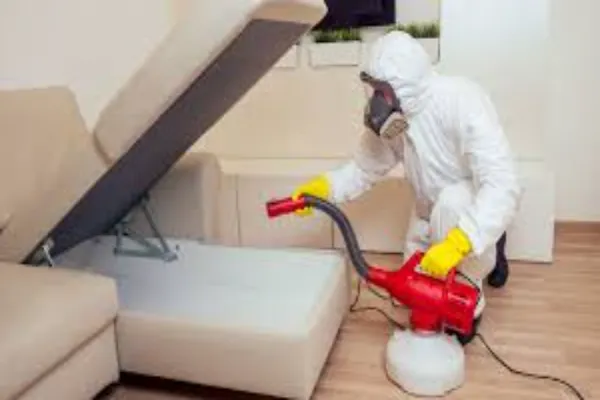
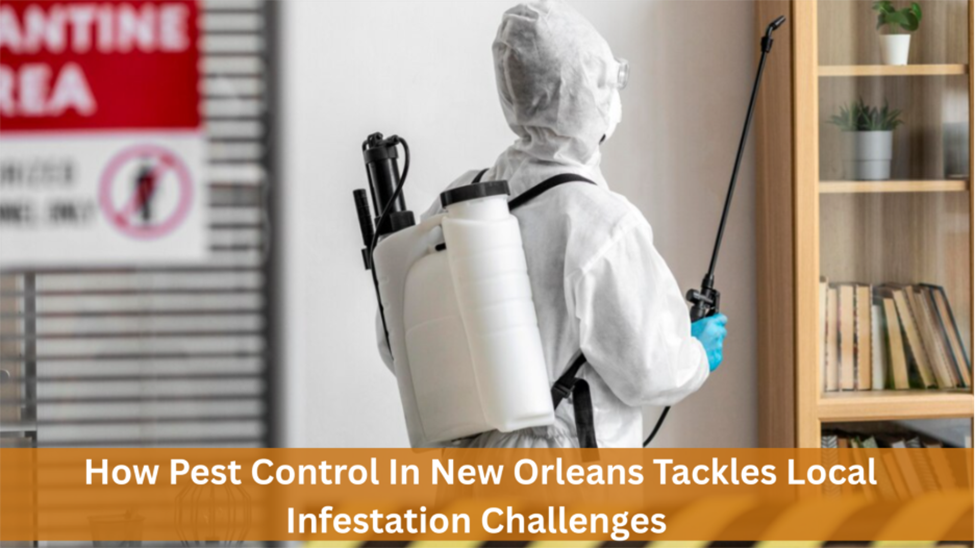
Residing in New Orleans is not just about the heat and humidity; it is also about pests that thrive in such conditions. You might see termites around wooden frames, cockroaches in damp kitchens, or rodents slipping through small gaps, and all these issues can quickly escalate since the climate promotes rapid breeding.
Such recurrent infestations interfere with normal life and frequently persist despite basic treatments. Pest control methods are considered to be effective based on the local environmental conditions, structural weaknesses, and seasonal pest behaviors instead of generalized methods.
This article discusses the way in which specially designed pest management techniques help solve the infestation problems of New Orleans and what makes it successful in the long run.
1. Climate Patterns That Shape Infestation Cycles
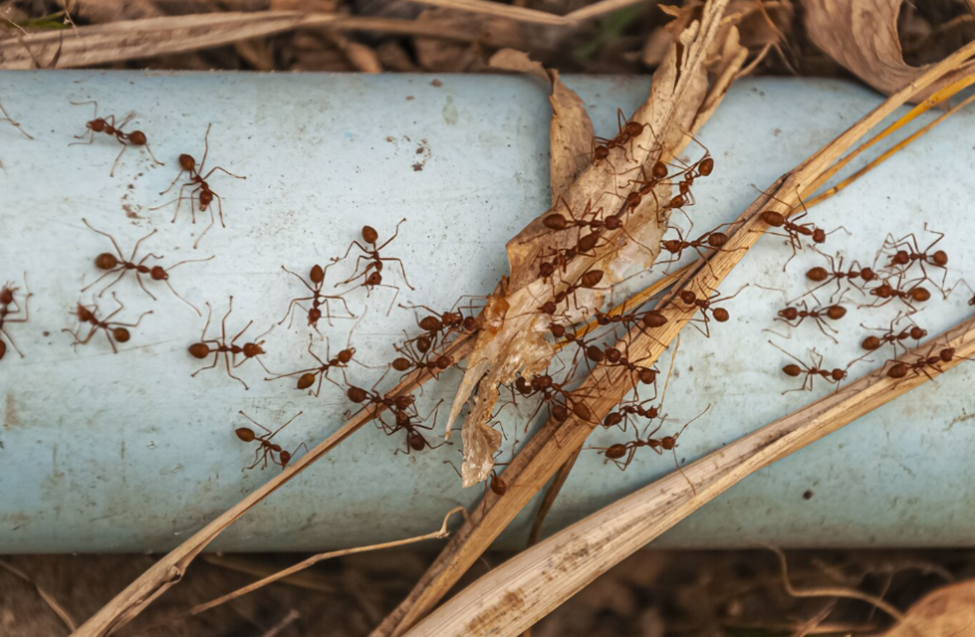
Pest activity is extremely affected by local weather, and this is the reason why pest control in New Orleans is not a standalone treatment but a climate-based plan. Hot weather and an abundance of moisture ensure that insects are active throughout the year, with heavy rains driving rodents and ants inside.
Due to the overlap of these patterns, pest activity is no longer seasonal. Treatment plans are thus in line with certain foreseeable bursts, like termites during the warmer seasons and the breeding of mosquitoes after storms.
Preventive monitoring identifies early activity before the population expands. This systematic timing enhances control, minimizes emergency responses, and forms a constant protection that aligns with the regular cycles of infestation in the region.
2. Moisture Hotspots That Sustain Hidden Colonies
Too much moisture in buildings promotes the growth of cockroaches, silverfish, and mold. Humidity can be trapped in the crawl spaces, leak pipes, clogged gutters, and poorly ventilated attics, which can facilitate infestations without detection.
Control plans are aimed at identifying these wet areas and rectifying the cause by means of enhanced ventilation, airtight seals, and enhanced drainage of the exterior. A decrease in humidity reduces the rate of survival of the pests since breeding conditions are compromised.
This practice is less dependent on frequent applications of chemicals since it targets the environmental triggers. Consistent cleaning keeps these places dry and stable, and it helps to control these areas over time, besides making it less likely that pest activity caused by moisture recurs.
3. Termite Defense Systems for High Risk Zones
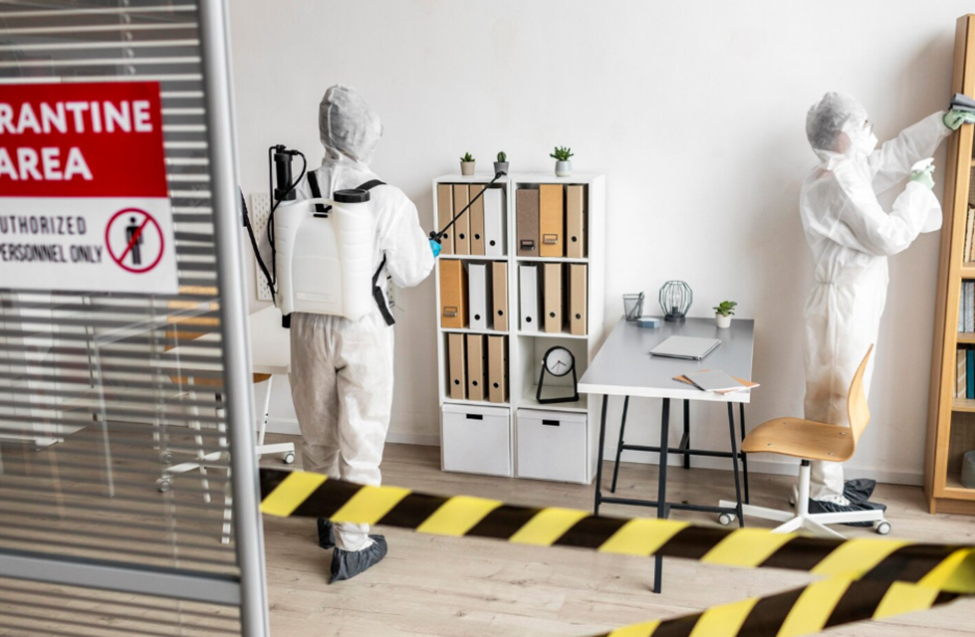
Termites have been a significant structural threat because of the damp soil and extensive wood construction. Subterranean colonies move underground and penetrate through cracks in foundations, and it is vital to detect them early on.
Defense mechanisms use soil treatments, bait stations, and regular checks in order to intercept the activity before any visible harm appears. Constant monitoring enables making adjustments based on the changing movement of colonies rather than waiting for the signs, such as mud tubes or weakening beams.
This is a proactive process that turns the termite control into a preventive measure. Through prior prevention and focus interventions, the properties are made more resistant to repeated termite pressure that is typical of residential and commercial setups.
4. Structural Entry Points That Invite Rodents
Small openings around utility lines, vents, roof joints, and foundation gaps are used by rodents to enter and establish access points into the structures. Once inside, they contaminate the stored food, destroy insulation, and provide holes for concealed nesting, which are hard to detect.
Effective control should start with comprehensive inspections to detect these points of entry and to close them with durable materials. Once the access is limited, the targeted trapping eliminates the existing populations, where monitoring devices keep track of new activity.
This stratified approach minimizes recurring intrusions and the use of chemicals in large quantities. Strengthening structural barriers thus becomes pertinent to ensure uniform rodent preventative measures.
5. Seasonal Treatment Strategies That Improve Results
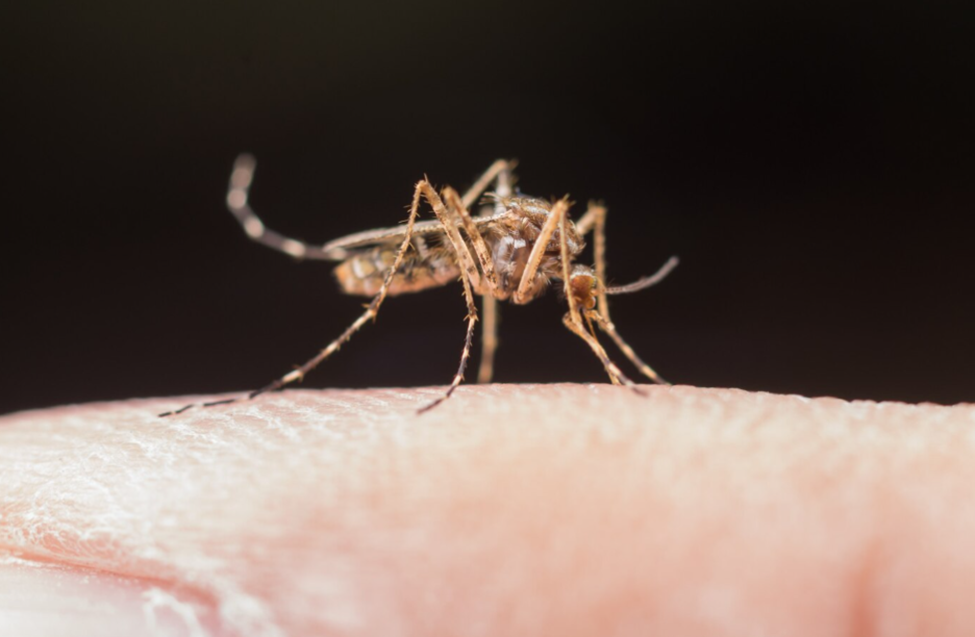
Behaviors of pests in New Orleans vary depending on rainfall, temperature, and spikes in humidity, making fixed treatment plans ineffective. When standing water collects, the population of mosquitoes grows very fast, ants become active in warmer days, and cockroaches seek shelter indoors in times of hot weather.
Seasonal strategies modify the time of treatment, choice of products, and frequency of inspection to align them with the seasonal patterns. As an example, mosquito control focuses on water management and barrier application during the high breeding months, while ant control focuses on colony growth before indoor migration starts.
Frequent evaluation keeps the methods up to date with changes in the environment. Such an adaptability strategy decreases unnecessary applications and enhances the outcome of long-term control.
6. Integrated Methods That Balance Safety and Control
Modern pest management combines sanitation, habitat reduction, structural repairs, and precise product use to achieve effective results with minimal disruption. Low-toxicity formulations and targeted bait systems focus on specific pests rather than broad exposure, which helps protect residents and pets.
Routine monitoring supports early detection, allowing smaller interventions instead of large-scale treatments. In addition, improving waste management, sealing food storage, and maintaining dry interiors reduce the factors that attract pests in the first place.
This integrated method shifts the focus from reactive extermination to continuous prevention. Over time, consistent monitoring and environmental adjustments create a stable barrier against recurring infestations.
Conclusion
Effective pest control in New Orleans depends on strategies built around climate, moisture levels, structural conditions, and seasonal pest behavior. Preventive monitoring, moisture reduction, termite defense systems, and structural exclusion work together to limit infestation risks before they escalate.
Adaptive treatment schedules respond to environmental changes, while integrated methods balance safety with long-term effectiveness. This structured approach reduces repeat problems and minimizes reliance on repeated chemical use.
When pest management aligns with local conditions and focuses on prevention, homes and businesses gain consistent protection and improved indoor health throughout the year.