High School Memories, Then and Now: From Paper to Platform
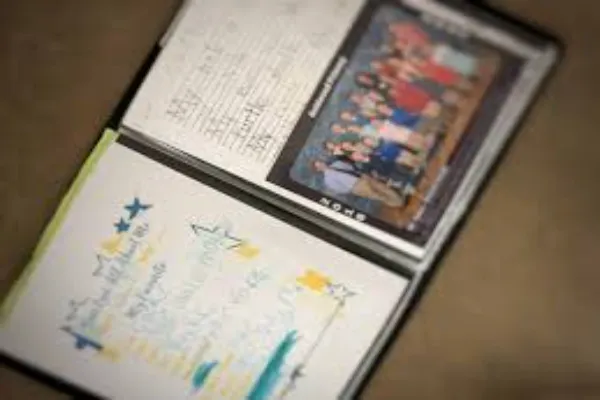
High school memories have always mattered. They capture formative years, shared experiences, and the people who shaped everyday life at the time. What has changed is how those memories are stored and revisited. From physical keepsakes tucked away on shelves to searchable digital platforms, memory-keeping has evolved to match modern habits while preserving the same emotional value.
Below are the key ways high school memories have been stored over time, showing the shift from traditional formats to today’s digital platforms.
Hardback High School Yearbooks
For decades, the hardback yearbook was the definitive record of school life. It captured class photos, clubs, sports teams, handwritten notes, and inside jokes that only made sense at the time. These books often became treasured keepsakes, pulled out during reunions or quiet moments of nostalgia.
While durable, physical yearbooks had limitations. They could be lost, damaged, or left behind during moves. Access depended on knowing exactly where the book was stored, and sharing memories meant physically handing it to someone else.
Softcover and Supplement Editions
Some schools offered lighter softcover versions or additional supplements for specific years or events. These formats made yearbooks more affordable and portable, but they were often less durable. Over time, pages faded, bindings weakened, and copies became harder to preserve.
These editions still carried emotional weight, but long-term access was never guaranteed.
Photo Albums and Scrapbooks
Before digital storage, many students and parents created personal photo albums or scrapbooks alongside yearbooks. These collections often included candid photos, ticket stubs, notes, and awards that added personal context missing from official publications.
While deeply meaningful, scrapbooks were highly individual. Memories were scattered across albums, boxes, and drawers, making it difficult to revisit a complete picture of school life in one place.
Scanned and Digitized Yearbooks
As technology advanced, schools, libraries, and alumni communities began digitizing yearbooks. Scanning physical copies preserved them before the paper deteriorated further. This process transformed static pages into digital records that could be stored safely and accessed without handling the original book.
Digitization also laid the groundwork for searchability, allowing names and schools to be indexed rather than browsed page by page.
Searchable Online Yearbook Archives
Online archives represent a major shift in how memories are accessed. Instead of relying on a single physical copy, users can search by school, year, or name. Platforms such as Classmates.com high school yearbook archive make it possible to revisit yearbooks decades later, even if the original book is long gone.
This format supports discovery as much as remembrance. People often find classmates they had forgotten, recognize faces they never knew by name, or reconnect with memories they did not realize they missed.
Integrated Alumni Platforms
Digital yearbooks are no longer standalone archives. They now exist within broader alumni platforms that allow people to connect memories with people. Viewing a yearbook page can lead directly to finding classmates who shared that moment.
Cloud-Based Storage for Long-Term Preservation
Modern platforms rely on cloud infrastructure to store vast collections of yearbooks securely. This ensures memories are protected from physical damage and accessible across devices. Unlike shelves or boxes, cloud storage scales with time, preserving records for future generations.
Cloud access also means memories are no longer tied to one location. Whether at home or elsewhere, users can revisit school history whenever they choose.
From Private Keepsake to Shared Experience
Perhaps the biggest change is how memories are shared. What once lived privately on a bookshelf can now be explored collectively. Digital platforms allow people to comment, reflect, and reconnect, turning personal nostalgia into shared experience.
High school memories shift from being quietly stored to actively revisited, discussed, and reinterpreted over time.
Looking Back, Moving Forward
The journey from paper yearbooks to digital platforms reflects more than technological change. It shows how the value of memory has remained constant while access has become more inclusive and enduring. Whether stored on paper or preserved online, high school memories continue to support identity, belonging, and connection.
What has changed is not what you remember, but how easily you can return to it.