Everything You Need to Know Before Choosing Contact Lenses
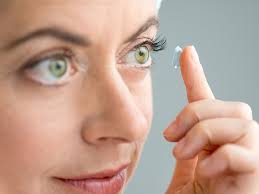
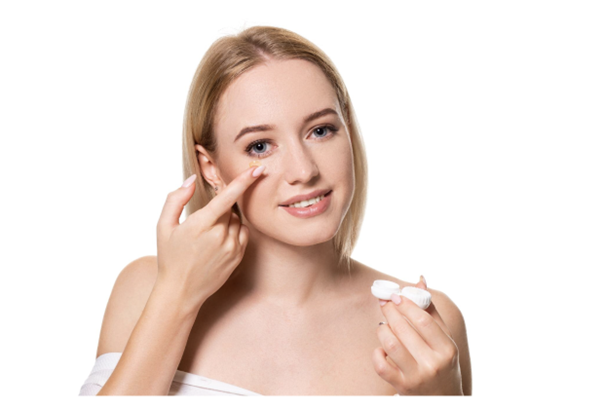
Contact lenses offer clear sight without frames. They sit directly on the eye and correct refractive problems.
Many people prefer lenses for daily comfort, sports, and professional appearance. However, choosing the right lenses requires proper evaluation. Vision needs, routine, and eye condition all influence the decision. An eye care specialist must examine the eyes before prescribing any contact lenses.
Eye Examination Comes First
An eye test is the first step. A specialist checks vision strength, corneal curvature, and tear condition. These factors decide which contact lenses are suitable.
Contact lenses correct common refractive errors:
- Myopia causes poor distance clarity
- Hyperopia affects near vision
- Astigmatism causes uneven focus
- Presbyopia affects reading ability with age
Each eye may need a different correction. Contact lens power and spectacle power are not always identical.
Lens Materials and Their Differences
Contact lenses are mainly available in soft and rigid forms.
Soft lenses are made from a flexible material that contains water. Oxygen passes through these lenses to reach the eye. Most users adjust quickly to them because these lenses feel natural.
Rigid gas permeable lenses are firmer and hold their shape. They allow oxygen flow and provide precise correction. However, adjustment takes slightly longer. One big pro associated with these lenses is that they improve visual sharpness in certain cases.
Special lens designs are also available:
- Toric lenses: They help solve astigmatism.
- Multifocal lenses: They support near and distant vision.
- Scleral lenses: They help maintain moisture in dry conditions.
- Cosmetic lenses: These lenses change eye appearance when prescribed.
Wearing Duration and Replacement Timing
Each lens type has a defined usage period. Following the correct schedule protects the eyes.
- Daily disposable lenses are used once and discarded. They reduce deposit buildup and simplify care.
- Reusable lenses require daily cleaning and storage. Replacement may occur weekly or monthly, depending on the prescription.
- Extended wear lenses allow longer use. In this variant, overnight wear lenses are also available. However, be cautious with longer-wear lenses. Without proper care, the risk of infection is high with such lenses.
Lifestyle and Daily Habits Matter
People who indulge in heavy outdoor activities benefit from contact lenses because they do not shift or fog. Typically, routine activities help determine the choice of lenses.
For instance:
- Long screen use reduces blinking. This causes dryness. So, high-moisture lenses must be preferred. They help maintain comfort.
- People with busy schedules may opt for daily disposable lenses. These eliminate cleaning routines.
- Work environments with dust or fumes may require additional eye protection. So, lenses alone may not suffice.
Contact lenses provide a full visual range. They move naturally with eye movement. This improves peripheral awareness.
Eye Health and Risk Factors
Contact lenses require proper care. Poor hygiene aggravates the risk of infection and irritation.
Possible complications include:
- Eye redness
- Dryness
- Corneal scratches
- Infections caused by poor cleaning
Sleeping in lenses not approved for overnight wear increases risk. Water exposure also increases infection chances.
Hygiene and Care Routine
Safe use depends on consistent cleaning habits.
- Wash your hands before handling lenses
- Use only recommended cleaning solutions
- Do not use tap water
- Replace storage cases regularly
- Remove lenses before sleeping unless approved
Following these steps reduces complications and improves comfort.
Professional Fitting and Follow-Up
Contact lenses must be fitted by a specialist. Proper fitting ensures stability and clear vision. Trial lenses may be used to evaluate comfort and performance.
Regular eye exams remain important. Vision changes over time, and prescriptions may need adjustment. Early detection prevents long-term damage.
To Sum It Up
Contact lenses improve vision and provide freedom from glasses. They support active routines and daily comfort. However, safe use depends on correct fitting, proper care, and regular eye exams. Selecting suitable lenses and following medical advice helps maintain clear vision and long-term eye health.