Slot Games: Everything You Need to Know Before You Play
Introduction
Slot games have become one of the most recognizable forms of casino entertainment worldwide. From traditional machines with simple reels to modern online games with exciting themes, the Slot industry continues to attract players who enjoy straightforward gameplay and colorful designs. Today, players can explore different game styles, bonus features, and interactive experiences across various gaming platforms.
However, understanding how Slot games work can make the experience more enjoyable and informed. Every game follows specific rules, uses different symbols, and offers its own payout structure. Moreover, knowing about features such as Return to Player (RTP), volatility, and bonus rounds helps players understand what to expect. This guide explores the fundamentals of Slot gaming, popular variations, important features, and practical tips for approaching these games responsibly.
What Is a Slot and How Does It Work?
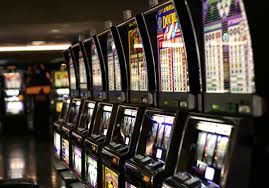
A Slot is a casino game that uses spinning reels containing different symbols. Players place a wager, activate the reels, and wait for the symbols to stop in a particular arrangement. Depending on the game’s rules, certain combinations produce payouts. Traditional Slot machines commonly featured three reels, while modern versions often include five or more reels with additional ways to win.
Most modern Slot games use a Random Number Generator (RNG) to determine their results. This technology generates random outcomes independently for each spin. Therefore, previous results do not determine what happens next. Whether a player wins, loses, or triggers a bonus feature, the outcome depends on the game’s programmed probabilities.
Online Slot games also offer detailed paytables that explain winning combinations, symbol values, and special features. Players can review these details before starting. Understanding the paytable is especially important because two games with similar appearances may have completely different payout systems and bonus mechanics.
Different Types of Slot Games

Classic Slot Games
Classic Slot games recreate the traditional casino machine experience. They usually feature three reels and familiar symbols such as cherries, lemons, bars, and sevens. Their simple design appeals to players who prefer straightforward rules without complicated bonus systems. Although modern versions may include additional features, the core gameplay remains easy to understand.

Video Slot Games
Video Slot games use digital graphics, animations, and themed backgrounds to create a more interactive experience. Many include five reels, multiple paylines, wild symbols, and free-spin features. Themes range from ancient civilizations and mythology to adventure and fantasy. As a result, players can explore a wide variety of visual styles and gameplay mechanics.

Progressive Jackpot Slot Games
Progressive Slot games feature jackpots that can increase as qualifying wagers contribute to a shared prize pool. Some games connect multiple machines or platforms to the same jackpot network. Although these games can offer large prizes, jackpot wins are generally rare, and the probability depends on the specific game rules.
Important Features of Modern Slot Games
Modern Slot games offer several features that make gameplay more varied. One common feature is the wild symbol, which can substitute for certain regular symbols to help form winning combinations. Another popular feature is the scatter symbol, which may trigger free spins or special bonus rounds when enough matching symbols appear.
Free spins allow players to activate additional spins according to the game’s bonus rules, sometimes without placing a new wager for each spin. However, the exact conditions vary between games. Some titles include multipliers that increase qualifying payouts, while others feature expanding symbols, cascading reels, or additional reel positions.
Bonus rounds also contribute to the entertainment experience. For example, a Slot may introduce a pick-and-reveal game, a spinning prize wheel, or an interactive mini-game. These features add variety, but they do not guarantee winnings. Players should always review the rules because every bonus has its own activation conditions and payout structure.
Understanding RTP, Volatility, and Random Outcomes
Return to Player, commonly called RTP, represents the theoretical percentage of wagered money that a Slot game returns to players over a very large number of spins. For example, a game with a 96% RTP theoretically returns $96 for every $100 wagered across extensive play, leaving a 4% house edge. This figure does not mean an individual player will receive $96 after wagering $100.
Volatility describes how frequently a Slot tends to produce payouts and how those payouts vary in size. Low-volatility games generally feature more frequent but smaller wins. High-volatility games often produce less frequent payouts, with the possibility of larger individual prizes. Neither type guarantees a better result for a particular gaming session.
Understanding these concepts helps players develop realistic expectations. A high RTP does not eliminate the house advantage, and a particular volatility level does not predict the next spin. Since outcomes remain random, no betting pattern can reliably overcome the mathematical structure of the game.
How to Choose the Right Slot Game
Choosing a Slot game involves more than selecting attractive graphics. Players should first consider the game’s rules, wager requirements, and available features. A simple game with clear paylines may suit someone who prefers traditional gameplay, while a feature-rich video Slot may appeal to those who enjoy animations and interactive bonus rounds.
Another important consideration is the betting range. Different games offer different minimum and maximum wagers, so players should select an option that fits their entertainment budget. Reviewing the RTP and volatility can also provide useful information about the game’s mathematical characteristics, although these figures cannot predict personal results.
Free demo versions can help players learn how a Slot works without risking money, where such versions are available. Demo gameplay allows users to explore paytables, understand special symbols, and experience bonus mechanics. However, free-play results should never be treated as evidence of how future real-money sessions will perform.
Common Slot Myths and Misconceptions
One common misconception is that a Slot machine becomes more likely to pay after a long series of losing spins. In reality, properly functioning RNG-based games produce independent outcomes. A machine does not become “due” for a win simply because previous spins resulted in losses.
Another myth suggests that players can identify the perfect time to activate a Slot. Some people believe certain hours or days produce better results. However, regulated RNG-based games do not follow predictable winning schedules that players can exploit. Timing a spin differently does not create a reliable advantage.
Players may also believe that increasing their wager after losing improves their chances of recovering money. While wager size can affect potential payouts and eligibility for certain features, increasing bets does not change the randomness of outcomes. Chasing losses can instead increase financial risk and lead to spending beyond the original budget.
Responsible Slot Gaming Tips
Responsible gaming is an essential part of understanding Slot entertainment. Before playing, adults should establish a clear spending limit and decide how much time they want to dedicate to the activity. Any money used for gambling should come from a discretionary entertainment budget rather than funds needed for bills, savings, or everyday expenses.
Players should also remember that Slot games are designed with a mathematical house advantage. Winning sessions can occur, but losses remain a normal and expected part of gambling. Therefore, it is important to avoid viewing Slot games as a reliable source of income or a solution to financial problems.
Taking regular breaks and using available account controls can support healthier gaming habits. Many regulated platforms provide deposit limits, session reminders, cooling-off periods, and self-exclusion options. Players should use only properly licensed services where gambling is legal and follow the applicable age requirements. If gambling starts affecting finances, relationships, or well-being, seeking professional support is an important step.
The Future of Slot Games
Technology continues to influence the development of Slot games. Modern developers focus on improving visual quality, mobile compatibility, and user-friendly interfaces. As smartphones become a common way to access digital entertainment, many Slot titles now feature responsive layouts that adapt to different screen sizes.
New graphics technologies also allow developers to create more detailed animations, themed environments, and interactive features. Some companies experiment with immersive experiences and innovative reel mechanics. These developments can make games visually engaging while preserving the basic principles of randomized outcomes.
At the same time, responsible gaming technology is becoming increasingly important. Improved player protection tools, transparent game information, and stronger regulatory standards can help users make informed decisions. The industry’s long-term development will depend not only on entertainment features but also on fairness, security, and responsible participation.
Conclusion
Slot games have evolved from simple mechanical machines into a diverse category of digital casino entertainment. Today, players can explore classic reels, themed video games, progressive jackpots, and numerous bonus features. Each variation offers a different experience, but the fundamental principles of random outcomes and predefined payout rules remain consistent.
Understanding RTP, volatility, paytables, and special symbols helps players approach Slot gaming with realistic expectations. Equally important, recognizing common misconceptions can prevent poor decisions based on inaccurate beliefs about winning patterns.
Ultimately, Slot games should remain a form of entertainment rather than a financial strategy. By learning the rules, setting sensible limits, and prioritizing responsible gaming, eligible adults can make more informed choices about whether and how to participate.