How Secondary School Becomes Part of a Student’s Identity in Singapore
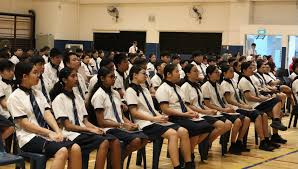
Secondary education shapes identity when students form habits, values, and self-belief. School life gives each student an organised place for discipline, confidence, and purpose. Parents and educators can reflect on these influences when they support long-term personal growth.
In Singapore, the total secondary schools in singapore represent a wide system that supports academic and personal development. These schools guide character through routines, expectations, relationships, and purposeful academic exposure. Their influence appears in conduct, confidence, and future personal direction across different stages.
Consistent School Routines Shape Personal Structure
A student’s identity develops through repeated experiences across each school term. Daily routines give those experiences a dependable pattern that students recognise over time. Timetables, punctuality rules, and lesson periods support discipline and personal order.
Students absorb these habits through regular participation in school environments. This routine helps students value responsibility, preparation, and consistent effort across academic weeks. Such habits become familiar parts of how students organise tasks and manage expectations.
Institutional Standards Influence Student Behaviour
Once routines become familiar, school expectations begin to shape daily conduct. Each expectation helps students recognise the importance of respect and accountability. Schools present these standards through conduct rules, uniform guidelines, and formal procedures. Practical expectations guide choices during lessons, assemblies, and shared academic tasks. Over time, these expectations influence behaviour across academic and social settings. Students then carry these habits into family interactions and future educational environments.
Practical Rules Promote Accountability
Simple rules help students connect personal actions with shared responsibility. Each rule supports order in lessons, events, and common school spaces. This pattern strengthens accountability across academic tasks and social situations.
Regular Evaluation Guides Conduct
Regular evaluation helps students connect effort with visible academic progress. Teacher feedback shows how conduct affects personal and academic outcomes. This process supports better judgment across repeated school experiences.
Classroom Exposure Develops Intellectual Interest
Behavioural growth becomes stronger when academic exposure adds purpose to school life. Each subject helps students recognise personal ability, preference, and curiosity. Lessons in science, literature, mathematics, and humanities create useful self-knowledge.
Many international secondary schools in Singaporefollow similar structured academic pathways with clear subject direction. This exposure connects classroom effort with personal interest and future direction. A preferred subject can shape ambition, study habits, and personal confidence.
Recognition Systems Strengthen Personal Motivation
Academic interest gains deeper value when effort receives fair recognition. Certificates, teacher comments, and class acknowledgement help students value progress. Students see how dedication connects with achievement across school life. Recognition builds confidence because it confirms effort in practical and visible ways. This process makes motivation a steady part of personal identity. Students begin to associate effort with pride, purpose, and personal standards.
Achievement Recognition Builds Confidence
Recognition gives students practical proof that their effort has genuine value. Academic awards strengthen belief in personal ability and disciplined effort. This confidence supports future efforts across important school tasks.
Constructive Feedback Supports Progress
Constructive feedback helps students see academic progress with precise direction. Teacher comments guide effort without confusion or pressure after evaluation. This support strengthens confidence, focus, and academic maturity over time.
Cultural Diversity Expands Student Perspective
Personal motivation develops within a school community shaped through varied backgrounds. Secondary schools unite students from many cultures and traditions. Daily interaction helps students develop respect, awareness, and social confidence.
Shared lessons, projects, and events create contact across different personal experiences. This cultural exposure shapes identity through empathy, balance, and social awareness. Students learn to value differences while they build respectful daily relationships.
Physical School Environment Shapes Emotional Connection
A school community becomes memorable through the spaces students use each day. Classrooms, libraries, halls, and activity areas become linked with effort. Students spend many formative hours within familiar school spaces and routines.
These surroundings support comfort, focus, and emotional attachment across academic years. Such places become part of memory, routine, and personal identity. A familiar campus can remind students of effort, friendship, and progress.
Academic Progress Shapes Personal Identity
As school life progresses, important milestones give identity a personal record. Examinations, ceremonies, class events, and transitions mark effort across academic stages. Students connect these moments with preparation, achievement, and personal growth.
Each milestone gives school life a stronger sense of purpose and direction. These memories remain part of identity after secondary education ends. They help students recognise progress from early uncertainty to greater confidence.
Secondary school experiences shape identity through routines, expectations, exposure, and meaningful milestones. The total secondary schools in Singapore reflects a system that supports discipline, confidence, and balanced personal growth. Families can reflect on these influences and recognise their role in development. A student’s identity carries the imprint of school life into later stages.