Medical Stretchers for Safe and Efficient Patient Transport
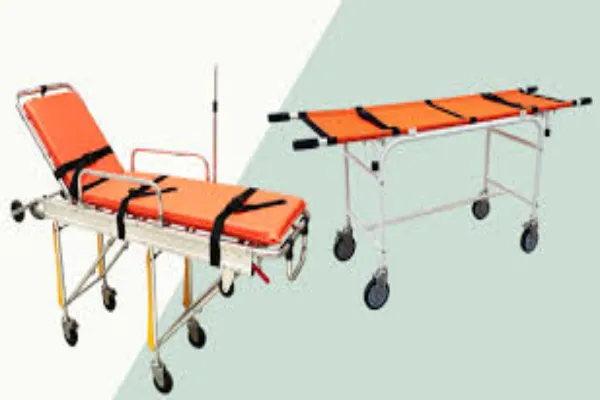
Medical stretchers for safe and efficient patient transport are the backbone of emergency care, inpatient transfers, and interfacility moves. For facility managers, procurement teams, and operations leaders, partnering with a trusted supplier like Stretchers R Us helps ensure equipment choices that balance patient safety, durability, ROI, and workflow efficiency. Choosing the right stretcher is both a clinical decision and a productivity decision. This article explains why stretchers matter, outlines common stretcher types and must-have features, and provides practical guidance on safe operation, maintenance, and procurement—helping healthcare facilities reduce risk, control costs, and improve throughput.
Why Stretchers Matter: Safety, Speed, and Patient Experience
Stretchers are more than rolling beds: they’re mobile clinical environments. When a stretcher is well-chosen and properly used, it reduces the risk of patient falls, minimizes staff injuries, and speeds transfers, saving minutes that can change outcomes in emergencies. For administrators and operations managers, reliable stretchers also lower indirect costs: fewer injuries mean lower workers’ compensation claims, and durable equipment extends replacement cycles.
From an experience perspective, the stretcher is often the first and last physical contact a patient has with a facility’s caregiving team. Comfort, stability, and smooth handling influence patient perception of quality and safety. For revenue-focused stakeholders, such as hospital CFOs, clinic owners, or outpatient surgery center managers, investing in suitable stretchers supports throughput metrics (room turnover times, transport velocity) that eventually impact revenue and patient satisfaction scores.
Common Types of Medical Stretchers
Facilities should match stretcher type to their use case. Each model carries trade-offs in cost, maneuverability, and capabilities.
Manual Stretchers
Manual stretchers are cost-effective and simple, relying on manual adjustments for height and tilt. They work well in lower-acuity settings and as backup units, but they can increase staff strain during frequent transfers.
Powered Electric and Hydraulic Stretchers
Electric and hydraulic stretchers automate height, Trendelenburg, and backrest adjustments. They reduce staff lifting and improve speed during emergency responses. The higher upfront cost is often offset by lower injury-related costs and faster patient handling in high-volume environments.
Bariatric and High-Capacity Models
Bariatric stretchers support higher weight capacities and wider frames, providing dignity and safety for larger patients. Buying appropriately rated stretchers helps avoid emergency manual transfers and liability from equipment failure.
Transport Chairs and Hybrid Systems
For ambulatory or semi-ambulatory patients, transport chairs and stretcher-chair hybrids offer compact, maneuverable alternatives that reduce storage footprint and speed intra-facility movements. They’re especially useful in outpatient clinics, imaging suites, and same-day surgery centers.
Features and Safety Components to Look For
Choosing the right stretcher means prioritizing features that enhance safety and usability.
Restraints, Side Rails, and Patient Positioning
Secure, easy-to-operate restraints and adjustable side rails protect patients during transport and when the stretcher is stationary. Look for rails that lock positively and restraints that are comfortable yet intuitive for staff to apply.
Braking, Steering, and Wheel Systems
Reliable central braking systems and high-quality casters improve control on ramps, elevators, and crowded hallways. Swivel-lock casters and shock-absorbing wheels reduce jolts that can aggravate patient injuries.
Shock Absorption and Mattress Technology
Mattress choice affects pressure injury prevention and comfort. Memory-foam or alternating-pressure compatible mattresses paired with suspension systems reduce shear forces during movement and improve patient outcomes.
Infection Control and Surface Materials
Non-porous, easy-to-clean surfaces and sealed seams cut down on pathogen transmission. Antimicrobial coatings and materials that tolerate hospital-grade disinfectants are crucial for infection prevention and faster room turnover.
Best Practices for Safe Operation and Patient Handling
Operational excellence around stretchers combines training, standardized procedures, and ergonomic design.
Loading and Unloading Procedures
Standardize lifting techniques and loading sequences to minimize time and error, especially important in ambulance bays and operating room handoffs. Use transfer boards or slide sheets for lateral moves and always lock wheels before patient transfer.
Ergonomics, Team Lifting, and Staff Training
Even powered stretchers require human oversight. Regular staff training on lifting biomechanics, two-person transfer protocols, and correct use of powered adjustments reduces musculoskeletal injuries and transport delays.
Documentation, Incident Reporting, and Audit Trails
Document each transport when it involves elevated risk (e.g., bariatric moves, elevated fall risk). Incident reporting systems should capture near-misses so teams can refine procedures and reduce recurrence. Maintaining audit trails of equipment use supports compliance and continuous improvement.
Maintenance, Cleaning, and Regulatory Compliance
Maintenance and infection control keep stretchers safe and available when needed.
Routine Inspection Checklist
Establish a daily or shift-based checklist: brakes and casters, rail locks, restraint integrity, adjustment mechanisms, mattress condition, and battery levels for powered units. Quick pre-use checks prevent mid-transfer failures.
Cleaning Protocols and Disinfectant Compatibility
Create cleaning protocols aligned with facility infection control, specify contact times, approved disinfectants, and frequency for deep cleaning. Verify that materials and finishes are compatible with chosen agents to avoid premature degradation.
Meeting Local and National Medical Device Regulations
Ensure equipment meets regional medical device standards and that procurement includes documentation for regulatory audits. For facilities in multiple jurisdictions, harmonize purchases to meet the strictest applicable standards to simplify compliance.
Choosing the Right Stretcher for Your Facility or Practice
Selecting the ideal stretcher requires balancing clinical needs, throughput goals, and total cost of ownership.
Assessing Patient Population and Throughput Needs
Start with patient mix: emergency department, ICU, ambulatory clinic, or long-term care each have different requirements. High-acuity areas benefit most from powered stretchers, while low-acuity outpatient centers may prioritize compact, low-cost transport options.
Evaluating Total Cost of Ownership and Warranty Considerations
Upfront price is only part of the equation. Factor in maintenance contracts, battery replacement cycles, mattress replacement, and expected lifespan. Strong warranties and on-site service agreements can reduce downtime and unplanned capital expenditures.
Integration With Transport Workflows and Facility Layout
Consider corridor widths, elevator dimensions, and ambulance bay geometry. A stretcher that can’t navigate a facility’s physical constraints creates hidden costs in delays and workflow friction. Pilot a few models in live workflows before committing to a bulk purchase when possible.
Conclusion
Medical stretchers for safe and efficient patient transport are a foundational element of clinical operations that intersect safety, efficiency, and patient experience. For facility leaders and procurement teams, especially those managing constrained budgets and high throughput, the right selection process blends clinical requirements, ergonomic design, and lifecycle economics. Regular maintenance, clear operational protocols, and staff training turn a good stretcher into a reliable asset that minimizes risk and improves throughput.
When choosing equipment, stakeholders should view stretchers through the lenses of patient safety, staff safety, and operational return on investment. Small choices, like opting for powered adjustments or investing in higher-quality casters, often pay for themselves in reduced injuries, fewer delays, and improved patient satisfaction. For teams focused on maximizing operational efficiency and protecting margins, aligning stretcher procurement with facility workflows and regulatory standards ensures durable value and measurable impact.