Trusted Amazon Reinstatement Services for Suspended Sellers
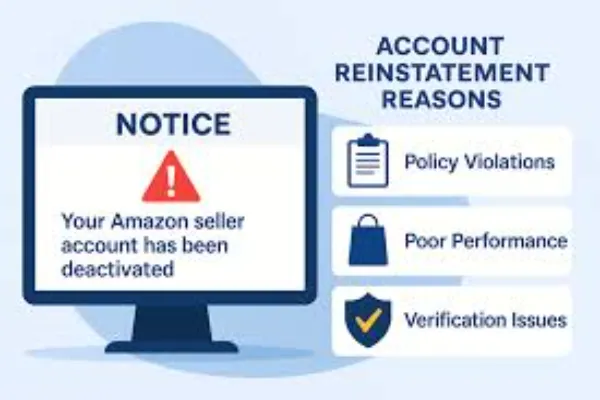
An Amazon suspension can arrive without warning and freeze revenue streams overnight. For many online businesses, marketplace sellers, ecommerce brands, and agencies managing client accounts, the stakes are high: lost sales, damaged Buy Box eligibility, and the erosion of hard-earned customer trust. Trusted Amazon reinstatement services specialize in diagnosing the cause, crafting persuasive Plans of Action (POAs), and managing appeals so sellers can return to selling quickly and compliantly. This article explains what suspensions mean, common causes, how professional reinstatement services operate, how to choose one, expected timelines and costs, and practical steps sellers can take to reduce future risk.
What Amazon Suspension Means For Your Business
When Amazon suspends an account or listing, it restricts some or all seller privileges until the issue is resolved. That can include removal from the Buy Box, disabled ASINs, blocked listing creation, or a complete account freeze. The immediate outcome is obvious, orders stop, ad spend may be wasted, and inventory can sit idle in warehouses. But the impact is layered and often longer-term.
Types Of Suspensions (Account, Listing, ASIN, Payment)
- Account suspension: Amazon disables selling privileges across the seller account. This often results from severe policy or performance breaches, repeated infractions, or unresolved IP claims.
- Listing suspension: A specific product listing is removed from search results and purchase pages. Listings are commonly suspended for detail page policy violations, unsafe product claims, or incorrect listing metadata.
- ASIN suspension: The ASIN itself is suppressed, which affects all sellers offering that product: typically tied to safety or IP concerns.
- Payment holds or account funds freezes: Amazon can withhold disbursements when they detect policy risks, pending investigations, or sudden spikes in chargebacks or A-to-z claims.
Short-Term And Long-Term Impacts On Sales And Visibility
Short-term impacts are immediate: lost revenue, paused ad campaigns, and confused customers. But long-term consequences often hit harder. A suspension can lower account health scores, reduce organic search ranking for affected listings, and make future reinstatement more difficult if the seller doesn’t present a credible corrective plan. Marketplaces and competing sellers will fill any void, and removing that competitive head start can take months. Rebuilding reviews and Buy Box rotation after reinstatement requires consistent performance and time. That’s why swift, expert response matters, not just to unlock the account, but to minimize revenue leakage and reputational damage.
Common Causes Of Amazon Suspensions
Understanding root causes helps sellers respond correctly and prevents repeated issues. Suspensions are usually a symptom of one or more underlying problems.
Policy Violations And Intellectual Property Complaints
Amazon enforces policies on listing content, product categories, restricted products, and brand usage. Common policy triggers include counterfeit allegations, improper use of brand names, inaccurate product descriptions, and restricted claims (e.g., medical benefits for unapproved items). Intellectual property (IP) complaints from rights owners, brands, manufacturers, or rights holders, frequently lead to immediate takedowns. Even takedowns filed by automated systems can escalate quickly if not challenged with proper evidence.
Performance Metrics And Account Health Issues
Key metrics like Order Defect Rate (ODR), late shipment rate, and pre-fulfillment cancel rate directly influence account health. A sudden spike in negative feedback, A-to-z claims, or chargebacks signals operational failures and invites scrutiny. Repeated failures to meet service-level expectations, or ignoring Amazon’s warnings, compounds risk and often results in suspension.
Product Safety, Authenticity, And Customer Complaints
Customer complaints about product safety, perceived defects, or incorrect descriptions can trigger investigations. Safety incidents, especially for items in regulated categories like supplements, electronics, or children’s products, are taken very seriously. Sellers who can’t demonstrate traceable supply chains, third-party testing, or batch-level documentation are much more vulnerable to prolonged enforcement actions.
How Professional Reinstatement Services Work
Professional reinstatement providers bring experience, process, and documentation discipline. Their role is to articulate a clear, credible path back into compliance and to manage communications with Amazon.
Investigation And Root-Cause Analysis
The first step is a methodical review of account history, communications from Amazon, customer feedback, and operational records (shipping logs, invoices, and supplier documentation). Experienced providers identify whether the issue is operational (e.g., late shipments), compliance-related (e.g., misclassified product), or reputational (e.g., IP complaints). A precise root-cause analysis prevents misdirected appeals and reduces time-to-reinstate.
Drafting And Submitting Effective Plans Of Action
A concise, evidence-backed Plan of Action (POA) is Amazon’s preferred format for appeal. Professional teams draft POAs that include: a clear explanation of the root cause, corrective actions already implemented, and preventive measures to avoid recurrence. Crucially, they attach supporting documents, supplier invoices, quality-control checklists, test reports, and screenshots of updated listings, to demonstrate the seller’s commitment to compliance.
Appeals, Escalations, And Ongoing Communication
Reinstatement services handle the full appeals cycle: submitting the initial POA, monitoring responses, and escalating to Seller Performance where necessary. They know the language Amazon expects and can submit follow-up clarifications promptly. This reduces back-and-forth and increases approval odds. In complex IP or safety cases, they also advise when legal counsel or manufacturer statements are required.
How To Choose A Trusted Reinstatement Provider
Selecting the right partner matters. Results vary widely, experienced providers follow repeatable processes and maintain transparent practices.
Proven Track Record, Case Studies, And References
Look for providers who publish anonymized case studies or success metrics and who are willing to share references. A proven track record across suspension types (account, ASIN, listing) is a strong signal. Reputable providers will explain failures too, no process is perfect, and honest discussion about limitations indicates credibility.
Transparent Pricing, Guarantees, And Communication Practices
Pricing models differ: flat-fee, retainer, or contingency-based. Avoid vendors who promise guaranteed reinstatement, that’s rarely ethical or realistic. Instead, seek clear scopes of work, milestone-driven communication, and detailed timelines. Good vendors set expectations: realistic success probabilities and what documentation is required from the seller.
Integration With Your Existing Agency Or Seller Workflows
Sellers and agencies benefit when reinstatement services integrate smoothly with existing teams: shared CRMs, direct points of contact, and documentation handoffs. For agencies outsourcing recovery work for clients, look for white-label capabilities, NDA willingness, and structured reporting that can slot into client deliverables. A provider familiar with seller tools (Seller Central, Brand Registry, ERP systems) will be faster and more efficient.
Timeline, Costs, And Success Rates To Expect
Understanding realistic timeframes and costs helps sellers budget and choose appropriate response tactics.
Typical Timeframes For Different Suspension Types
- Listing/ASIN suspensions: Often resolved in days to a few weeks if the root cause is straightforward and documentation is available.
- Account suspensions: Can take weeks to months. Complex cases involving IP disputes or product safety may require longer investigations and external documentation.
- Payment holds: These can resolve quickly once required evidence is submitted, but prolonged holds happen when Amazon requests ongoing proofs of performance.
Speed depends on the quality of the POA, completeness of documentation, and how quickly the seller acts. Professional services typically shave weeks off timelines by preparing focused appeals and managing escalations.
Pricing Models And Factors That Influence Cost
Costs vary based on case complexity and provider model. Flat-fee packages for simple listing reinstatements are common, while account reinstatements often command higher fees or retainers. Factors that influence cost include: the number of ASINs affected, need for legal or testing services, amount of documentation to collect, and whether continuous account management is required post-reinstatement. Sellers should weigh cost against potential lost revenue, paying for expert help is often economical when weekly sales are significant.
Preventing Future Suspensions: Best Practices For Sellers
Reinstatement shouldn’t be the endpoint: prevention is the goal. A mix of monitoring, process, and supplier management reduces risk considerably.
Monitoring Account Health And Documenting Compliance
Regularly review account health dashboards and set alerts for metric degradation. Maintain a documented compliance library: supplier invoices, test reports, certificates of authenticity, and updated product images. When Amazon requests information, having organized records reduces response time and demonstrates seriousness.
Operational Changes To Reduce Risk (Inventory, Listings, Suppliers)
Improve supplier vetting: require traceable invoices, quality checks, and warranty terms. For listings, avoid overstated claims and ensure images and descriptions accurately match the product. Carry out batch-level QC and tighter fulfillment controls to reduce defects and returns. Diversifying fulfillment channels (FBA and FBM) with clear SOPs lowers single points of failure.
When To Involve Legal Or Specialist Support
For IP disputes, safety incidents, or persistent policy entanglements, bring in legal counsel or category specialists. Legal letters, manufacturer affidavits, and third-party lab reports can be decisive in complex appeals. Specialist help is also useful when cross-border supply chain issues create ambiguity around documentation or product origin.
Conclusion
Amazon suspensions are disruptive, but not always terminal. Trusted Amazon reinstatement services provide the investigative rigor, documentation discipline, and Amazon-savvy communication that dramatically improve the odds of a successful appeal. Sellers should balance the immediate need to reinstate with longer-term investments in compliance and operational resilience.
Whether a seller handles reinstatement in-house or hires specialists, the priority remains the same: act quickly, gather clean evidence, and carry out changes that prevent recurrence. That approach restores selling privileges and protects business value going forward.