The Relationship Between Fresh Food Programs and C-Store Retail Planning Complexity
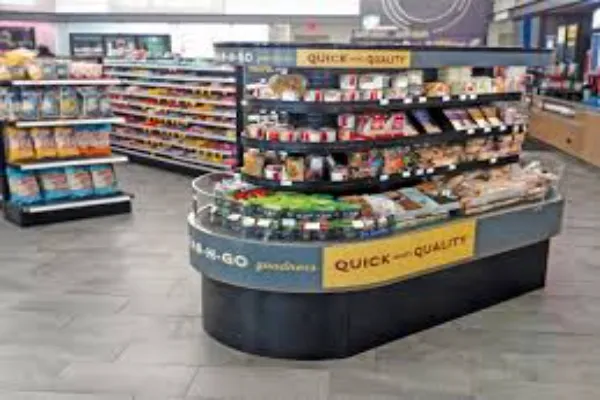
Convenience stores now offer more than fuel and packaged snacks. Many locations include fresh meals, prepared items, and healthier options. This change affects customer expectations and purchasing patterns. Fresh food programs create a higher likelihood of spoilage, along with a much more volatile demand and limited space. Therefore, c-store retail planning provides an organized means of handling all of these added complexities created by the introduction of these programs.
Fresh food programs are expanding within both urban and suburban areas. There is increasing customer value placed on the convenience of food being available, along with how close the food is, and also the quality of the food. Convenience stores meet these needs more directly than larger formats. Managing fresh inventory, however, remains difficult. Convenience retail store planning supports decisions related to assortment, replenishment, and timing. It helps retailers balance freshness with margin control.
As food programs continue to expand and grow, there will be a need for additional planning in order to order the right amount of food at the right times to meet the needs of customers in an increasingly timely manner. Convenience retail forecasting helps retail operators with providing data for the ordering of food. Retail planning systems help retailers be prepared for unexpected occurrences.
Food Programs and the Role of Convenience Stores
The types of products offered in food programs are limited to fresh food, such as sandwiches, salads, hot meals, and beverages. Consumers want access to these products quickly without going to a sit-down restaurant. Food programs help fill this need in an efficient manner.
Convenience stores have the most to gain as food programs continue to expand in size, volume, and frequency. Convenience stores are located in the right locations to support frequent visits as well as impulse purchases. As retailers add prepared food items, customers spend more on grocery items than they otherwise would have spent on just packaged grocery items.
Fresh food programs add operational complexity, given that there are strict time frames and handling requirements for all fresh food product deliveries. Waste risk rises without disciplined planning. Convenience retail store planning supports control over freshness, availability, and cost. It enables consistent execution across store networks.
How Convenience Stores Support Modern Food Programs
There is an increasing reliance on convenience stores by consumers to meet their daily food requirements due to the proximity of convenience stores to consumers’ homes and the ease of shopping in convenience stores due to speed of access and the frequency of foot traffic. Food programs fit into these routines. Performance depends on planning accuracy and execution.
The following areas show how food programs affect sales and how planning systems support control.
- Demand Variation Across the Day
The time of day and the occasion for eating impact what fresh foods consumers will purchase. All times of the day – morning, afternoon, and evening – have different needs with respect to fresh foods. Predicting these patterns remains challenging. Convenience retail forecasting analyzes hourly sales behavior. It supports preparation decisions and reduces waste. C-store retail planning aligns production with demand timing.
- Shelf Life Constraints
Fresh items carry a limited shelf life. Excess inventory results in loss. Insufficient stock leads to missed sales. Convenience retail store planning monitors shelf life closely. Convenience retail forecasting supports accurate quantity planning. Retailers limit spoilage while maintaining availability.
- Limited Space Within Stores
Convenience stores operate with constrained space. Food displays compete with core categories. Poor allocation affects visibility and sales. C-store retail planning supports effective space use. Convenience retail store planning balances food and non-food assortments.
- Supplier Coordination Requirements
Availability and quality of fresh foods are contingent upon frequent and consistent deliveries. Delays in delivery affect both the quality and availability of fresh foods. Coordinating the deliveries of fresh products from suppliers to multiple locations increases operational complexity. Convenience retail forecasting provides for consistent ordering of fresh food items. C-store retail planning provides improved alignment with fresh product suppliers.
- Influence of Weather and Local Events
Weather conditions affect food demand. Local events can drive sudden increases. Retailers often respond after the fact. Convenience retail forecasting accounts for local conditions and trends. Convenience retail store planning supports earlier preparation.
- Labor and Preparation Needs
Food programs require staff for preparation and handling. Labor shortages reduce service quality. Excess staffing raisescostst. C-store retail planning aligns labor schedules with demand. Convenience retail forecasting informs staffing decisions.
- Consistency of Customer Experience
Customers expect consistent food quality and availability. Missed expectations affect trust. Planning gaps lead to uneven service. Convenience retail store planning supports standardized execution. C-store retail planning helps maintain consistent experiences across locations.
Each of these factors adds to operational pressure. Food programs increase both opportunity and exposure. Planning systems help retailers manage this balance. They support readiness without unnecessary cost.
Bottom Line
Fresh food programs continue to change the convenience store channel. They increase engagement and basket size. They also raise planning complexity. C-store retail planning provides structure in this environment. Convenience retail forecasting and convenience retail store planning support preparation and execution.
Convenience stores will continue expanding food offerings. Planning methods must adapt alongside this growth. Accuracy, timing, and consistency remain central. Planning capability will influence competitiveness as the channel evolves.