Simple Ways to Make Your Home Accessible Without Stress
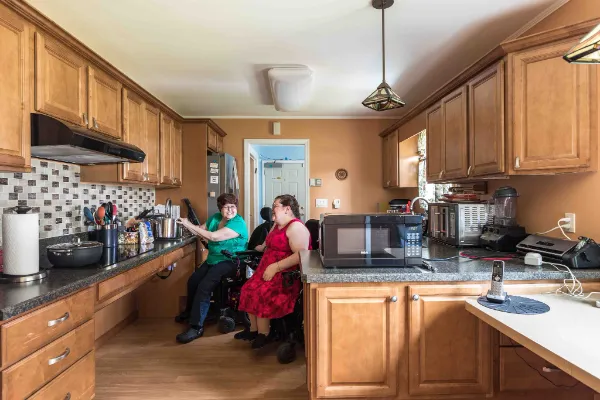
When you share your home with someone with mobility issues and needs to use a wheelchair, walker, or has a condition like arthritis, accessibility is key. Despite how the media often portrays it, having a home that’s more accessible for those who may have complex health needs doesn’t have to make your home look clinical or take away style.
There are plenty of simple ways to integrate mobility devices and support without huge renovations, and here, you’ll read about some of the best options available.
Wheelchair Lifts
Starting with the most extravagant (and the one that adds the most value to your home), having wheelchair lifts installed in your home is a great solution for those who use a wheelchair, obviously, but it can also be helpful for people who use walkers.
Wheelchair lifts are usually installed in a corner of the home and use a hydraulic system to move the lift from the lower to the upper floors. This eliminates the need to use stairs and reduces the chances of falls or trips.
Lever-Style Door Handles
Of course, it isn’t only those who use wheelchairs who may need support around the home. Research has found that many older people live in homes with younger adult relatives, which means that they’ll likely need adjustments to help with age-related issues, such as arthritis. As arthritis can make it harder to grip things, installing a lever-style door handle can help someone to close and open doors without pressure or pain.
LED Lighting
If a home is darker or there’s glare from the lighting, then the chances of someone with poor eyesight falling are higher. So, for many people who are sharing their home with relatives who may need a bit of help getting around in the dark, LED lighting is a quick and easy way to illuminate staircases, without glare or without a significant increase to the utility bill. There are even LED stair lights which are motion-activated, which can help someone navigate the staircase in the middle of the night, reducing falls in this quite dangerous area of the home.
Smart Home Devices
Most homes have at least one smart device (like an Alexa) and, if you share your space with someone who has memory issues or physical health needs, it can be worth pairing your smart home device with items such as lights, curtain rails, and even heating meters to help your relative or loved one stay in the home, without needing to pull anything or having to remember to turn the heating on when it’s cold.
Reduce Clutter
A cluttered home isn’t only an eyesore but also a health risk. If you share your home with someone who needs a bit more help getting around the space, one way to ease this is to remove clutter from walkways and the floor. It’s also advisable to invest in carpet tape to hold rugs in place and use room dividers to prevent carpets from becoming a trip hazard. This will reduce trips and falls, and also make your home look neater at the same time.