The Link Between Alcohol and Cancer: Risks and Concerns
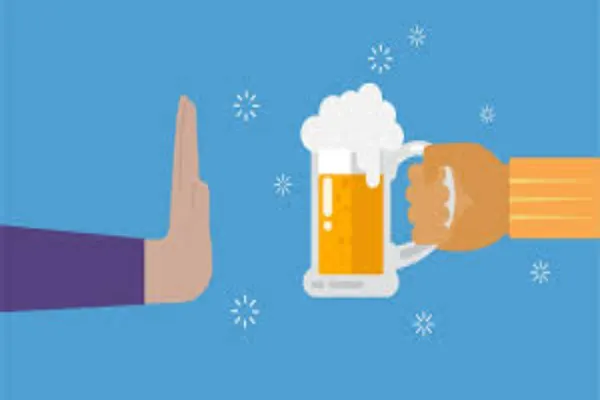
Did you know that alcohol causes about 5.3% of all cancer cases worldwide? That’s over 740,000 people each year facing this hidden danger from something many see as harmless fun. We often hear tales of wine’s health perks or beer with buddies, but the truth hits hard: no amount of alcohol is truly safe when it comes to cancer.
This piece digs into the solid science tying alcohol to various cancers. We’ll break down how your body turns booze into a cancer trigger. Plus, we’ll bust myths about “safe” drinking and share ways to cut your risks. By the end, you’ll see why rethinking alcohol matters for your health.
The Direct Link: Understanding Alcohol Consumption and Cancer Risks
Alcohol slips into our lives easily, but its tie to cancer runs deep. Experts from the World Health Organization call it a Group 1 carcinogen, right up there with tobacco and asbestos. That means it directly sparks cancer growth.
Think of alcohol as a sneaky foe. It doesn’t just affect one spot in your body; it harms many. From mouth to gut, the damage spreads wide.
Studies show clear patterns. The more you drink, the higher your odds of cancer. But even light sipping adds risk.
Alcohol Metabolism: The Chemical Pathway to Carcinogenesis
Your body works hard to process alcohol. But that process creates trouble. Let’s look closer.
How Ethanol Becomes Acetaldehyde
When you drink, ethanol hits your bloodstream fast. Enzymes like alcohol dehydrogenase turn it into acetaldehyde. This stuff builds up quick if you’re not careful.
Acetaldehyde is nasty. The International Agency for Research on Cancer labels it a Group 1 carcinogen. It poisons cells and starts bad changes.
Your liver takes the main hit. But if you drink often, acetaldehyde lingers everywhere alcohol touches. Like a toxic fog, it harms tissues.
DNA Damage and Cell Mutation
Acetaldehyde attacks DNA straight on. It binds to genes, twisting their shape. This messes up how cells copy themselves.
Your body tries to fix the harm. But alcohol blocks those repair tools. Mutations pile up over time.
Picture DNA as a recipe book. Acetaldehyde scribbles all over it. Wrong recipes lead to wild cell growth—cancer.
Cells with damaged DNA divide wrong. They ignore stop signals. Tumors form from this chaos.
Oxidative Stress and Inflammation
Booze sparks free radicals, or reactive oxygen species. These zap healthy cells. Oxidative stress wears down your defenses.
Chronic drinking fuels ongoing swelling. Inflamed tissues stay ripe for trouble. It’s like rubbing salt in a wound that never heals.
This combo feeds cancer growth. Tissues exposed to alcohol, like in your throat, suffer most. The damage builds quietly.
Specific Cancers Strongly Linked to Alcohol Intake
Alcohol links to at least seven cancer types. Some spots face higher threats due to direct contact. Explore the critical link between alcohol and cancer. Our guide highlights risks and concerns to help you or a loved one find effective alcohol rehab near Dana Point.
Head and Neck Cancers (Oral Cavity, Pharynx, Larynx)
Your mouth, throat, and voice box meet alcohol first. That’s why risks soar here. Heavy drinkers face up to five times the normal chance.
Smoking makes it worse. Together, they multiply the danger. Like fire and gasoline, they ignite fast.
One study found that over 70% of oral cancers tie to booze and smokes. Swish less, rinse your risks away.
Esophageal Cancer (Squamous Cell Carcinoma)
The esophagus carries booze down. Acetaldehyde pools there, hitting cells hard. This ups squamous cell cancer odds by three to five times for heavy users.
Alcohol also starves you of key nutrients. Folate and others drop, weakening cell shields. Poor diet speeds the harm.
Feel the burn from spicy food? That’s mild next to alcohol’s constant assault on this tube.
Liver Cancer (Hepatocellular Carcinoma)
Your liver filters alcohol nonstop. Fat builds up first, then swelling and scars. Cirrhosis sets the stage for cancer.
Each extra drink raises risk by 20%. Long-term boozers see odds jump tenfold. It’s a slow poison to this vital organ.
Watch for signs like yellow skin or belly pain. Early catches save lives.
Breast Cancer in Women
Even one drink a day hikes breast cancer risk by 7-10%. Alcohol boosts estrogen, a fuel for breast cells. It also scrambles folate, key for DNA health.
This hits at low levels. No safe sip exists here. Women with family history face bigger threats.
Think of estrogen as a hormone accelerator. Alcohol floors the pedal, speeding toward trouble.
Dose-Response Relationship: Is There a ‘Safe’ Amount?
Risk ties straight to how much you drink. More booze, more danger. But what about light habits?
Analyzing Low-to-Moderate Consumption Levels
Many think one drink daily is fine. Wrong. The American Cancer Society says even that ups breast and colon cancer risks.
No zero-risk level exists. Major groups like WHO agree: any alcohol adds to the tally. Light drinkers still face 5-15% higher odds for some cancers.
Why risk it? Swap that nightly glass for water. Small changes count big.
Defining High-Risk Consumption Patterns
Heavy drinking means over 14 drinks a week for men, seven for women. Binge is four or more in two hours. These spike risks across the board.
Binge patterns shock your cells. They cause bursts of damage. Heavy use leads to 50-100% higher cancer rates.
Know your limits. Track drinks to stay safe.
- Standard drink: 12 oz beer, 5 oz wine, 1.5 oz spirits.
- Binge: Peaks blood alcohol over 0.08%.
- Heavy: Builds chronic harm.
Risk Modification Factors (Genetics and Nutrition)
Genes play a role. Some folks lack ALDH2 enzyme, trapping acetaldehyde. Asians often carry this trait, facing double risks.
Poor nutrition worsens it. Low folate or B vitamins from booze diets hurts DNA repair. Eat greens and fruits to fight back.
Your background matters. Talk family history with your doc.
Strategies for Mitigation and Risk Reduction
You can lower risks. Start with awareness. Then take steps.
Understanding Labeling and Public Health Messaging
Countries push warnings now. Ireland requires cancer labels on booze by 2026. It spells out risks plainly.
These tags save lives. They make you think twice. Look for them on bottles soon.
Scotland and others follow suit. Global change brews.
Actionable Steps for Reducing Exposure
Cut back smartly. Know one drink equals 14 grams of alcohol. Use apps to track intake.
Try these tips:
- Set drink-free days weekly.
- Alternate booze with water.
- Pick low-alcohol options.
- Eat before sipping to slow absorption.
Screenings help too. Colonoscopies spot early colon issues. Mammograms catch breast changes.
Conclusion: Reassessing Alcohol in a Cancer Prevention Context
Alcohol stands as a clear cancer causer, backed by years of research. From DNA hits to swollen tissues, the links hold firm. Head, neck, liver, breast, and gut cancers all suffer from its touch.
No safe dose exists, but less is always better. Genetics and diet tweak your odds, yet choices rule. Cut intake, eat well, and screen up to shield yourself.
Take charge today. Ditch that extra drink. Your future self will thank you. Live cancer-free by choosing wisely.