How Modern Science Is Unlocking the Brain’s Healing Potential
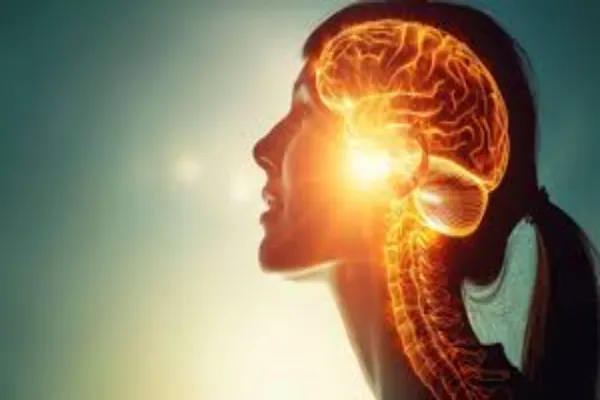
For generations, the human brain was believed to be largely unchangeable after early childhood. If injury, trauma, or mental illness occurred, the effects were often viewed as permanent. Modern neuroscience has challenged this belief in powerful ways. Today, researchers understand that the brain is dynamic, adaptable, and capable of healing throughout life. This shift in perspective is transforming how we treat mental health conditions and neurological disorders, offering renewed hope to millions of people.
The Science of Neuroplasticity
At the heart of this transformation is neuroplasticity, the brain’s ability to reorganize itself by forming new neural connections. Advances in brain imaging have allowed scientists to observe these changes in real time. Learning a new skill, recovering from injury, or reshaping unhealthy thought patterns can physically alter the brain’s structure. This discovery has reshaped rehabilitation strategies for stroke patients and has become central to modern approaches to anxiety, depression, and post-traumatic stress.
Healing at the Cellular Level
Beyond structural changes, scientists are uncovering how healing happens within brain cells themselves. Neurotransmitters regulate mood, motivation, and cognition, while inflammation and stress hormones can interfere with healthy brain signaling. When these systems are disrupted, mental health can suffer. New treatments aim to restore balance at this biological level, supporting the brain’s natural repair mechanisms and improving emotional regulation.
A New Era of Mental Health Treatment
Mental health care is increasingly influenced by neuroscience. Psychological therapies are now often combined with biological insights to create more comprehensive treatment plans. This approach recognizes that emotional pain isn’t simply a matter of willpower or mindset, but also reflects changes in brain chemistry and neural circuits. Understanding this reduces stigma and allows people to pursue care with greater confidence and clarity.
Innovative Therapies and Neuroplastic Growth
One of the most exciting areas of research involves therapies that actively stimulate neuroplasticity. Certain treatments have shown the ability to rapidly strengthen or create new neural connections, particularly for individuals who haven’t responded to traditional medications. Clinics offering ketamine infusion therapy California are part of this emerging landscape, providing supervised treatments that may help with treatment-resistant depression and other mood disorders. Ketamine’s effects on synaptic growth and communication between neurons are helping scientists better understand how targeted interventions can unlock the brain’s healing potential.
Lifestyle Choices That Support Brain Recovery
Scientific research also highlights the importance of daily habits in maintaining brain health. Quality sleep supports memory formation and emotional balance. Regular physical activity improves blood flow to the brain and encourages the release of growth promoting proteins. Nutrition influences inflammation and neurotransmitter production, while strong social connections help regulate stress responses. Even mindfulness practices like meditation have been shown to change brain regions linked to attention and resilience.
Technology Driving Future Discoveries
Emerging technologies are accelerating progress in brain science. Artificial intelligence is helping researchers analyze complex neurological data, leading to faster insights and more personalized treatment options. Wearable devices allow people to track sleep patterns, stress levels, and cognitive performance, creating opportunities for early intervention and self-awareness. These tools bridge the gap between research and everyday life.
A Hopeful Future for Brain Healing
As modern science continues to reveal the brain’s adaptability, the outlook for healing grows brighter. Rather than viewing limitations as permanent, we now understand that the brain can change, recover, and thrive with the right support. This evolving knowledge is reshaping medicine, empowering people, and redefining what’s possible for mental and emotional well-being.