Are CBD Gummies the Future of Natural Wellness? Here’s What Experts Think

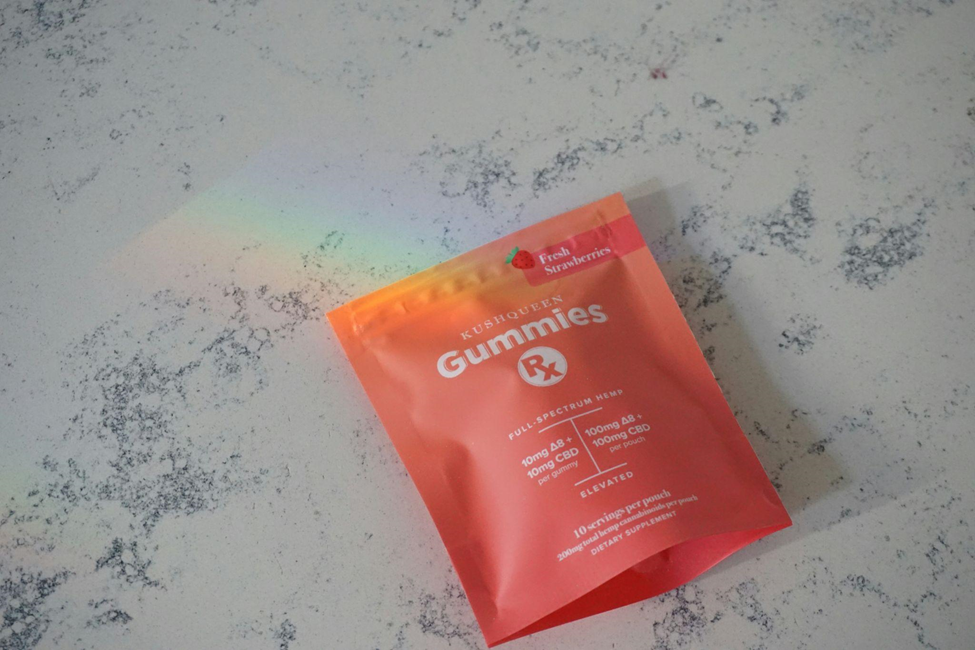
In the last decade, the idea of “natural wellness” has changed from a niche interest into a mainstream cultural theme. People talk openly about stress, sleep struggles, emotional balance and burnout in ways that used to be rare. Alongside this shift, there has been a surge of interest in products and practices that claim to support a calmer, more regulated lifestyle. Among those, edible cannabidiol products have gained particular attention, with categories such as CBD Gummies frequently appearing in consumer and industry discussions.
The question many observers are asking is simple but important: are CBD gummies a passing wave, or are they becoming part of the long-term landscape of natural wellness?
The Rise of CBD Gummies in Everyday Wellness Culture
CBD in general rose to prominence as regulations began to change and hemp-derived products became more widely available. At first, most offerings were oils, tinctures or capsules. Gummies arrived later, but they have quickly become one of the most visible and widely recognized formats.
Part of their rise is practical. Gummies are easy to understand, simple to portion, and familiar as a product type. They do not require measuring droppers or learning new routines. Instead, they fit into existing habits, which makes them feel less intimidating for those curious about CBD but hesitant to try more clinical-looking formats.
Another factor is presentation. Many wellness brands use soft colors, clean package design and calm messaging that present CBD gummies as lifestyle items rather than purely medicinal products. Positioned on wellness shelves alongside teas, sleep masks and magnesium powders, they become part of a broader self-care narrative rather than an isolated product.
Mental Health, Stress and the Search for Support
Interest in CBD gummies cannot be separated from global conversations about stress and mental health. Reports from organizations such as the World Health Organization highlight the scale of mental health challenges and the need for comprehensive responses that include education, access to care and supportive environments.
As awareness has increased, people have become more willing to seek support in different forms. Some turn to therapy and structured mental health care. Others experiment with stress-management routines such as journaling, meditation, movement or breathing techniques. A portion of the population also looks at consumable wellness products that they feel might complement these habits.
CBD gummies sit in this landscape as one of many tools people consider. Their popularity reflects not just interest in cannabinoids, but a general desire to find approachable ways to feel more at ease in daily life.
What Current Research Suggests – And What It Doesn’t
From a scientific perspective, CBD remains a developing field. Early studies and anecdotal reports suggest that CBD might play a role in supporting certain aspects of well-being for some individuals, but comprehensive long-term evidence is still limited. Researchers continue to examine how CBD interacts with the body’s systems, what doses are relevant, and which populations might benefit or need caution.
Experts are generally careful to draw a clear line between possibility and proof. Many emphasize that CBD gummies should not be treated as a guaranteed solution for stress, anxiety or sleep difficulties. Instead, they are best understood as products that exist in a gray area: interesting, promising in some contexts, but not fully defined by robust clinical evidence.
This gap between public enthusiasm and scientific certainty is one reason why many researchers and health professionals advocate for more controlled studies, better labeling, and careful consumer education.
Regulation, Quality and Transparency
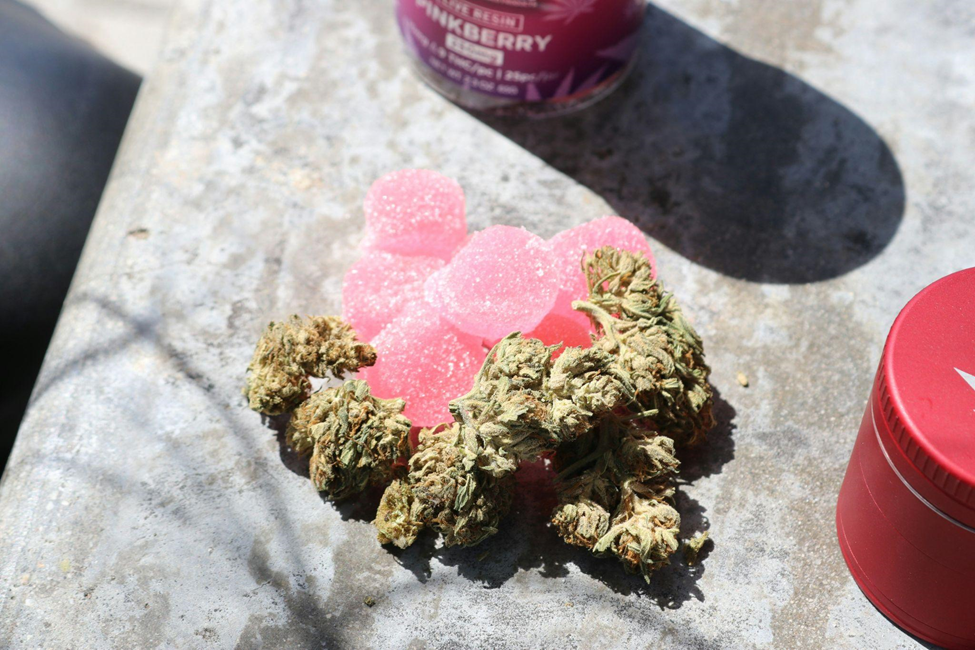
The future role of CBD gummies in natural wellness will depend heavily on regulation and quality standards. In many regions, CBD products exist within a patchwork of laws and guidelines that can be confusing for consumers. Issues such as dosage accuracy, ingredient purity and contamination risk have all appeared in regulatory reviews.
Because of this, experts frequently highlight the importance of transparency. Clear labeling, third-party lab testing, batch certificates and modest, realistic marketing claims are often seen as markers of more responsible products. When these are absent, confusion grows and trust erodes.
If CBD gummies are to become a stable part of the wellness ecosystem, ongoing improvements in regulation and quality control will likely be essential. The current trajectory suggests that more structure is coming, but timelines vary by jurisdiction.
Why Gummies Appeal to Modern Consumers
Beyond the technical and regulatory questions, there is a simple human factor: people tend to like formats that feel easy and familiar. Gummies resemble something most people already understand from childhood vitamins or everyday snacks. They do not require special tools, do not carry the same visual association as smoking, and can be integrated discreetly into daily routines.
For busy individuals, the idea of a small, portable, pre-portioned product is attractive. Rather than building an entirely new ritual, they can attach the product to existing moments, such as winding down in the evening or finishing daily tasks. That convenience contributes to the format’s popularity, independent of any discussion about efficacy.
This does not mean gummies are inherently better than other formats, but it does help explain why they stand out in public perception.
Expert Perspectives: One Tool Among Many
When asked about CBD gummies and wellness, many experts adopt a “toolbox” metaphor. They do not dismiss the products outright, but they also do not elevate them as central solutions. Instead, they frame them as one potential element in a broader strategy that should prioritize foundational habits.
From this point of view, sleep quality, nutrition, regular movement, social connection and coping skills often come first. If CBD gummies are used at all, they are seen as something that might accompany these pillars, not replace them. This perspective attempts to balance curiosity with caution, acknowledging that some individuals report positive experiences while reminding the public that wellness is multi-layered.
The overall message from many professionals is that no single product, CBD-based or otherwise, can substitute for a thoughtful, long-term approach to health.
Are CBD Gummies the Future of Natural Wellness?
The question of whether CBD gummies are “the future” of natural wellness may be too narrow. What seems more accurate is that they are part of a larger movement. This movement includes greater openness about mental health, increased interest in plant-derived compounds, and a shift toward daily, routine-friendly practices aimed at improving how people feel.
CBD gummies may remain popular as long as they align with these larger trends: convenience, familiarity, and the desire for options that feel less intimidating than strictly medical interventions. Their long-term role will depend on continued research, improved regulation, transparent communication, and a realistic understanding of what they can and cannot do.
Rather than thinking of them as the centerpiece of natural wellness, a more grounded view sees them as one of many signposts marking how people today are trying to navigate stress, uncertainty and the search for balance.